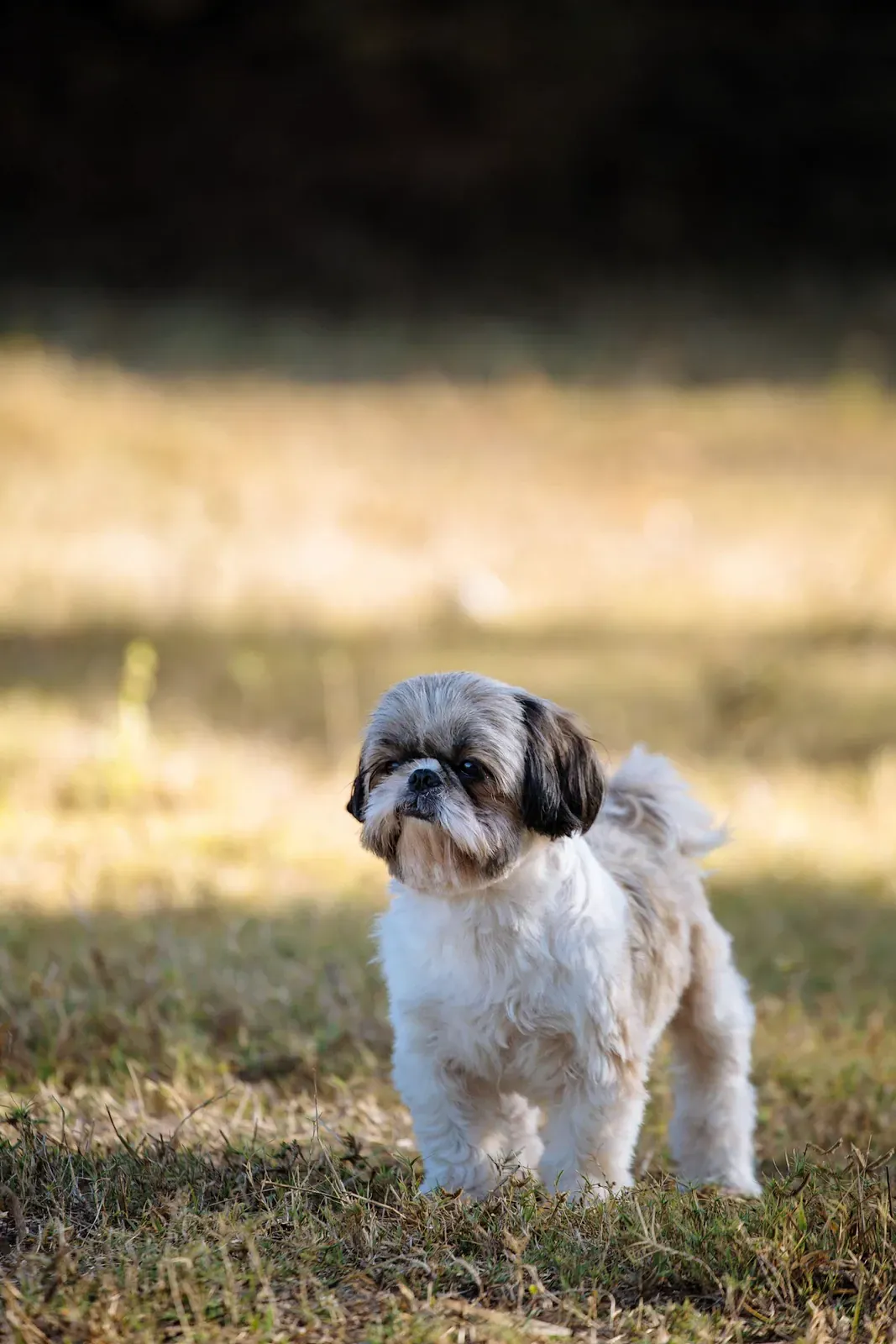
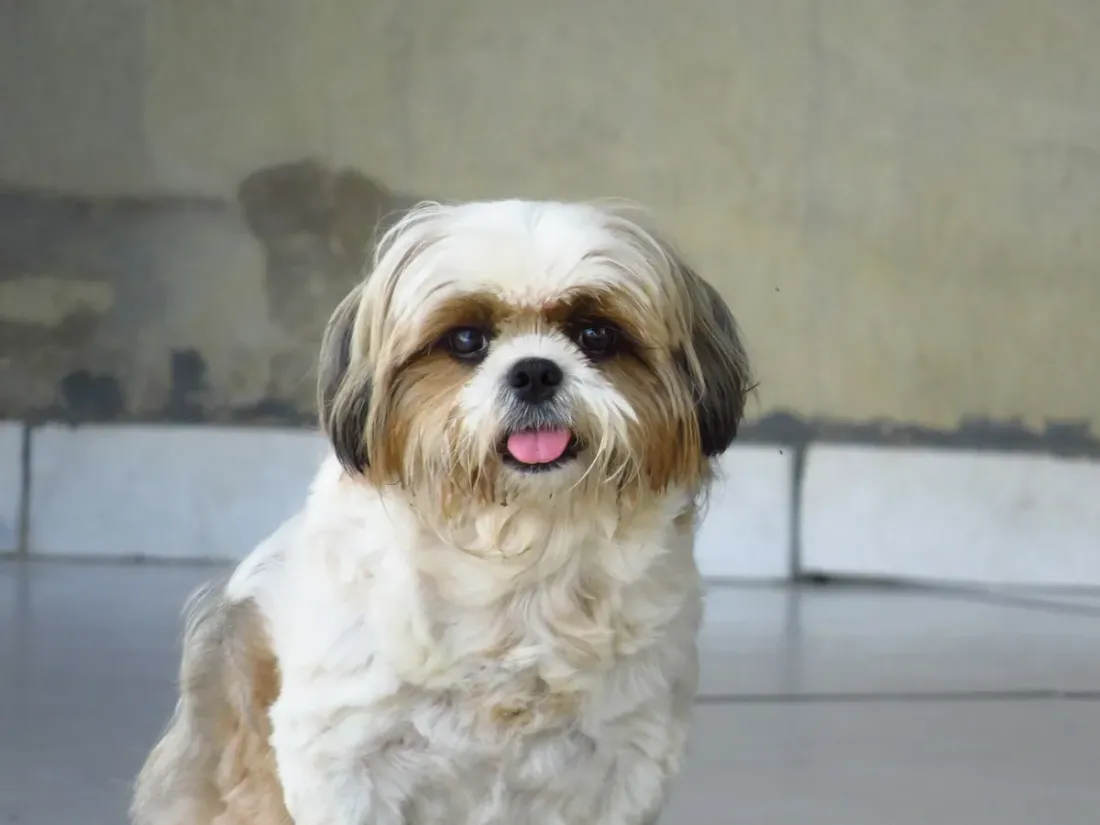
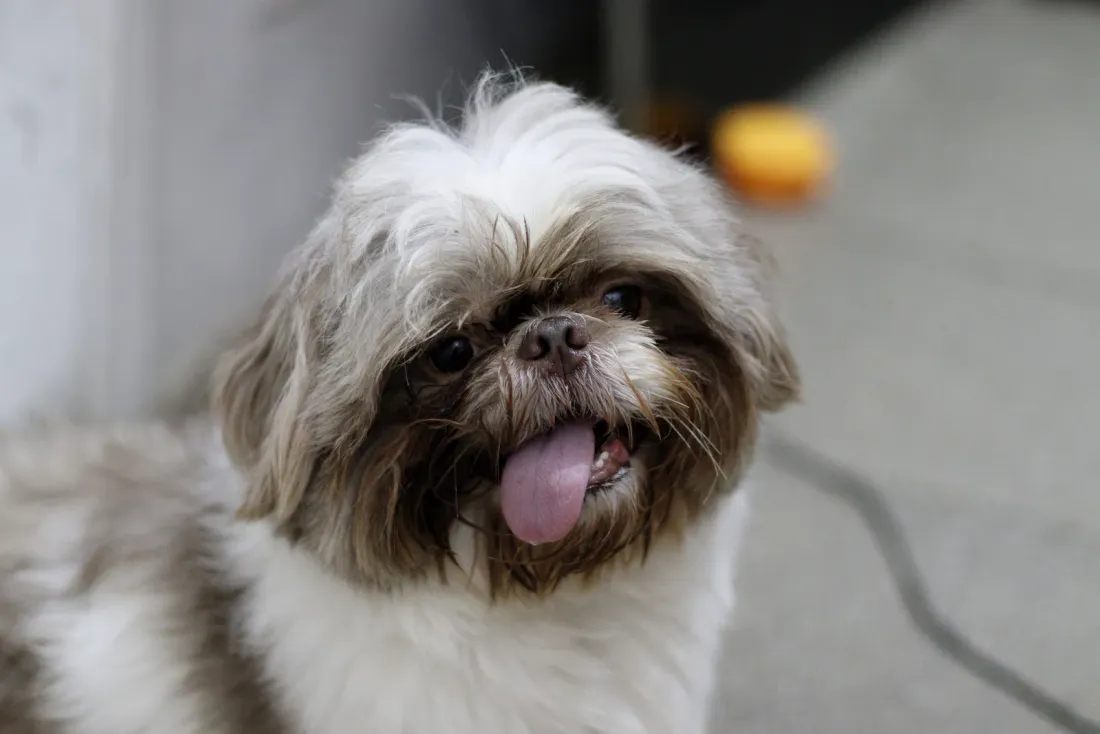
Its name means "lion" in Chinese, a nod to the lion-like dogs of Buddhist art. Nearly every Shih Tzu alive today descends from about 14 dogs taken to Europe between 1928 and 1952, after the breed was almost lost in China. Typical weight is 4.5 to 8 kg, and a UK study of 11,082 pet Shih Tzus found a median age at death of 12.7 years. The breed suits people who want a friendly, indoor lap dog and can commit to regular grooming. Its flat face needs careful, informed care.
Shih Tzu quick facts
 Related breedBernese Mountain Dog1700 to 1907 · Switzerland
- Closest DNA relatives
- Pekingese, Lhasa Apso, Tibetan Spaniel
- Country of origin
- Tibet (China) per FCI; developed further at the Chinese imperial court
- Period of development
- About 1600 to 1934 (project data, low confidence)
- Type
- Companion dog (FCI Group 9, Companion and Toy Dogs, standard no. 208; AKC Toy Group; recognised by the UK Kennel Club)
- Other names
- Chrysanthemum Dog, Tibetan Lion Dog
- Height
- Not more than 27 cm (Kennel Club and FCI); AKC 20 to 28 cm, ideal 23 to 27 cm
- Weight
- 4.5 to 8 kg, ideal 4.5 to 7.5 kg (Kennel Club and FCI); AKC 4 to 7 kg
- Coat
- Long, dense double coat
- Colours
- All colours accepted by the standards (see the standard section for notes)
- Life span
- Project data: 10 to 16 years. UK VetCompass study: median 12.7 years
- DNA family
- Asian Toy (Parker et al. 2017), strong support
- Descendant breed
- Bolonka (project data)
Name and origin
 Related breedCatahoula Leopard Dog1700 to 1979 · United States
What "Shih Tzu" means
"Shih Tzu" comes from Chinese shizi, "lion". The full Chinese phrase is shizi gou, "lion dog". The lion here is the stylised guardian lion of Chinese temples and imperial art, not an animal most Chinese artists had ever seen. Tibetan Buddhism also uses the snow lion as a protective symbol, and small dogs with a mane-like ruff were kept in monasteries and palaces as living versions of it.
Other names recorded for the breed are "Chrysanthemum Dog", for the way the hair around the face grows outward like petals, and "Tibetan Lion Dog". Kennel Club and FCI standards describe a "chrysanthemum-like" face. The standard FCI listing names Tibet (China) as the country of origin.
Tibet or China?
Both play a part, and the order of events is partly unknown.
- Tibet. The usual account says small lion-like dogs were bred in Tibetan monasteries and held as sacred or good-luck animals. They are linked to the Lhasa Apso, a Tibetan temple dog.
- China. Tibetan dogs reached the Chinese court as gifts. A well-known story says the Dalai Lama sent such dogs to the imperial court. This is a legend: the AKC repeats it, but no source used here gives a date or a document.
- Refinement at court. Court breeders are said to have crossed the Tibetan dogs with Pekingese-type palace dogs to produce a shorter muzzle and a fuller coat. Breeders and writers disagree on how much crossing happened, and no breeding records survive.
The project data records both the Pekingese and the Lhasa Apso as parents with low to medium confidence, which reflects that uncertainty.
History
 Same eraDachshund1600 to 1888 · Germany
Imperial court
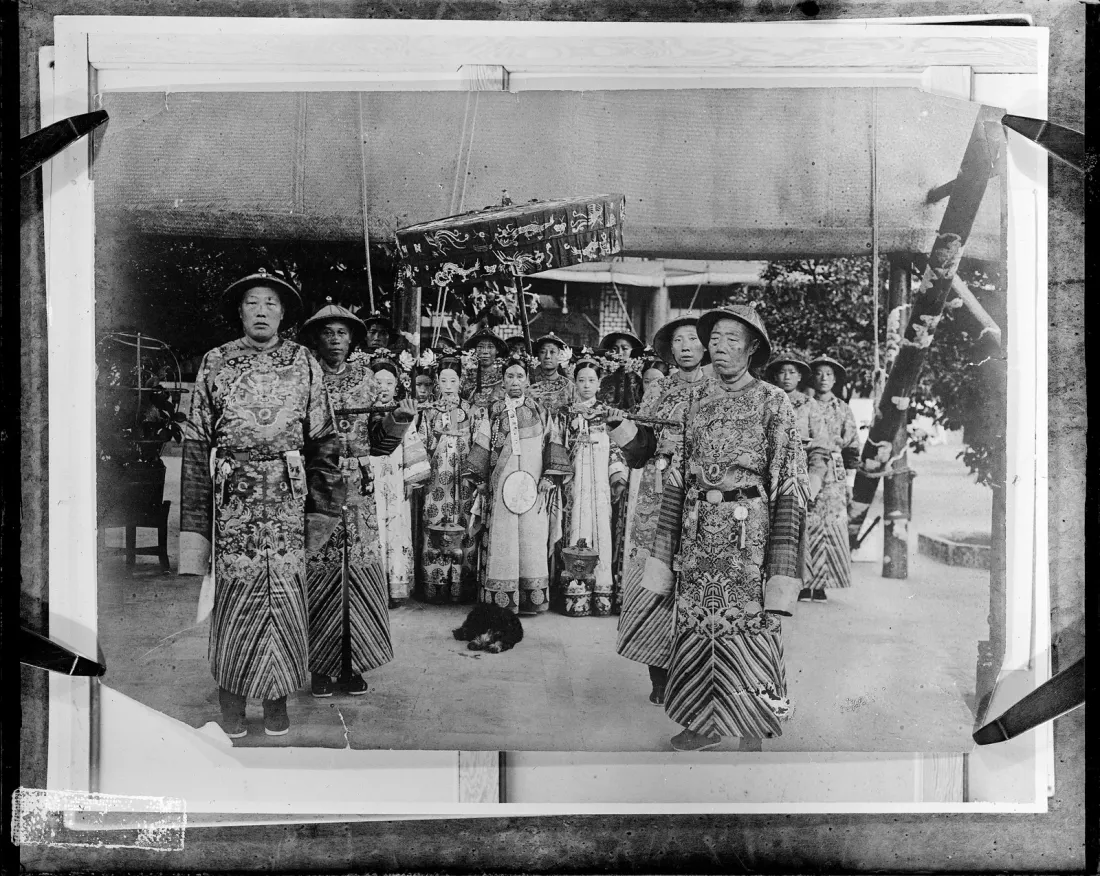
Over the centuries, small dogs were kept in the palaces of the Qing dynasty (1644 to 1912). The Dowager Empress Cixi (1835 to 1908) is the best-known owner. She is reported to have kept kennels of Pugs, Pekingese and Shih Tzu-type dogs, and the AKC says she ran a breeding programme devoted to the breed's qualities. Popular accounts add that palace eunuchs guarded the dogs and that the court prized small size, a flowing coat and an air of royalty. Stories that commoners could not own the dogs, or that the dogs were given as gifts to foreign visitors, are widely told but not documented in the sources used here, so treat them as tradition.
After Cixi's death in 1908 and the fall of the dynasty in 1912, the court stopped supporting the palace kennels. Dogs scattered among aristocratic households and the remaining kennels.
Near loss after 1949
The Chinese Communist revolution of 1949 targeted the symbols of wealth and aristocracy. Accounts such as the AKC's say the breed's kennels were destroyed and that the dogs, linked with the old elite, were killed across China. The wording varies: some histories say the breed vanished from China, others that very few survived. Either way, the breed only survived because dogs had already left the country.
Rebuilding in the West
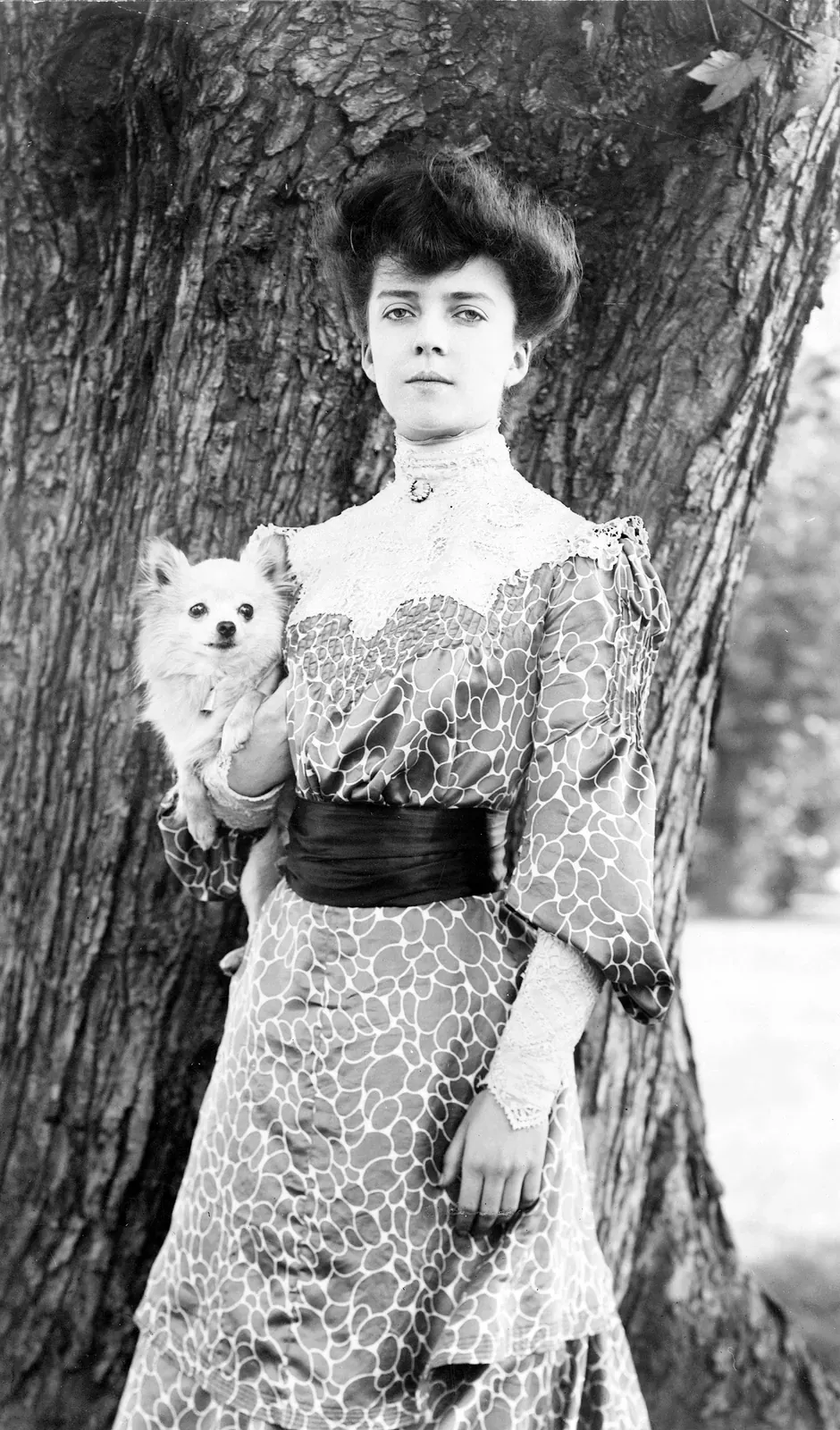
Lady Brownrigg, an Englishwoman who had lived in China, brought some of the last dogs to England in the 1930s, and a British officer in China brought others. Dogs also went to Scandinavia. The AKC counts "just 13 dogs imported into England and Scandinavia between 1928 and 1952, plus one other" lion dog, a black and white Pekingese added in England in 1952. Other sources describe the foundation as 14 dogs, seven males and seven females, including that Pekingese. The Pekingese addition caused controversy among fanciers at the time.
The numbers differ by how breeders count (imports versus dogs that actually bred on), so "about 14 foundation dogs" is the safest wording. It is a narrow base, and it shapes the breed's genetic diversity today.
| Year | Event |
|---|---|
| 1928 to 1952 | About 13 dogs imported to England and Scandinavia, plus one Pekingese in 1952 |
| 1934 | The Shih Tzu Club of England is founded |
| 1940 | The UK Kennel Club recognises the breed |
| 1963 | The American Shih Tzu Club is formed |
| 1969 | The breed enters the AKC (Toy Group) |
The breed went from a rare import to one of the most popular small dogs in the West within a few decades. In the UK VetCompass 2016 dataset, Shih Tzu made up 3.3 percent of all dogs seen (11,082 of 336,865).
Ancestors, relatives and DNA
 Same familyDalmatian1700 to 1890 · Croatia
Lhasa Apso and Pekingese
The project data lists two parent breeds, with caution.
- Lhasa Apso. A Tibetan temple dog, similar in coat but with a longer muzzle and a more reserved temperament. Early British breeders called Lhasa Apsos and Shih Tzu by overlapping names, and the two were separated into distinct breeds in the 1930s. Confidence in a direct parent link is low.
- Pekingese. Linked through court crossing, and through the 1952 addition in England. Confidence is medium.
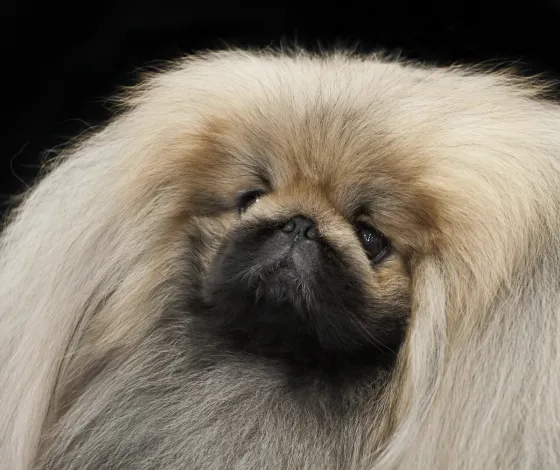
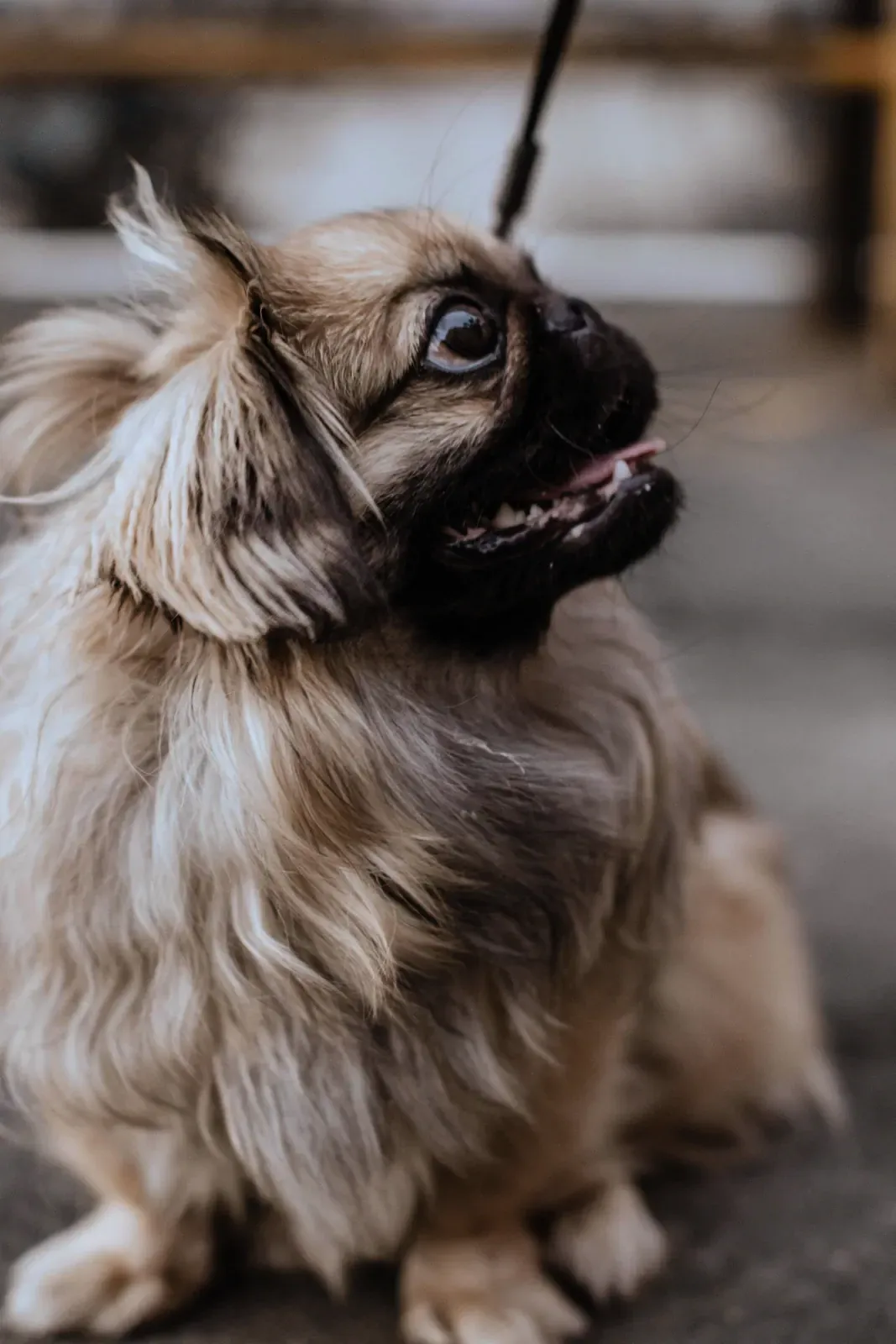
Common differences in plain terms: the Shih Tzu is shorter in the muzzle and a little more outgoing, the Lhasa Apso has a longer face, a longer straight coat and is often more watchful with strangers, and the Pekingese is heavier in the front with a very short muzzle and a more stubborn, independent outlook.
What does DNA say?
A 2017 study by Parker and colleagues (Cell Reports) analysed 1,346 dogs from 161 breeds and grouped 151 of them into clades. The Shih Tzu sits in the "Asian Toy" , with strong support, along with the Pekingese, Lhasa Apso, Tibetan Spaniel and Japanese Chin. This site calls these breeds the Asian Toy family. An earlier study by Parker and colleagues (Science, 2004) had already placed the Shih Tzu, Lhasa Apso and Pekingese in a cluster of Asian breeds with an older genetic origin than most European breeds, which is why they are often called "ancient breeds". "Ancient" here means the lineage separated early from the wolf-like root of modern breeds. It does not mean the dog we see today is unchanged.
Shared DNA stretches () hint at crossing or common founders. The study cannot say which way genes moved.
Source: Parker et al. 2017, as recorded in this site's breed database.
The Pekingese and Lhasa Apso top the list by a wide margin, which fits both the court crossing story and the Tibetan origin. The Pug at 12.2 Mb is much lower, so the tale that Chinese palace breeders used Pugs does not stand out in the DNA.
Descendants
The project data lists the Bolonka as a descendant. It is a small companion breed developed in the Soviet Union from 1951 to 1966, partly from Shih Tzu blood.
Descend from it · 1
- BolonkaRussia
- Pekingese155.4 Mb 6.5%
- Lhasa Apso142.1 Mb 5.9%
- Tibetan Spaniel80.4 Mb 3.4%
- Japanese Chin18.2 Mb 0.8%
- Tibetan Terrier14.7 Mb 0.6%
- Pug12.2 Mb 0.5%
Source: Parker et al. 2017. Percent of the whole genome.
| Breedwith Shih Tzu | Shared DNA with Shih Tzu (Mb)Shared DNA (Mb) |
|---|---|
| Pekingese | 155.4 |
| Lhasa Apso | 142.1 |
| Tibetan Spaniel | 80.4 |
| Japanese Chin | 18.2 |
| Tibetan Terrier | 14.7 |
| Pug | 12.2 |
The breed standard
 Looks relatedGerman Pinscher1700 to 1884 · Germany
A breed standard is the written ideal a kennel club judges dogs against. It describes the look, size and character of the breed. The Shih Tzu standards from the UK Kennel Club and the FCI (standard no. 208, written by the Kennel Club) are essentially the same text. The AKC writes its own.
| Trait | FCI and UK Kennel Club | AKC |
|---|---|---|
| Height at withers | Not more than 27 cm | Ideal 9 to 10.5 inches (23 to 27 cm); not less than 8 inches (20 cm) or more than 11 inches (28 cm) |
| Weight | 4.5 to 8 kg, ideal 4.5 to 7.5 kg | 9 to 16 pounds (about 4 to 7 kg) |
| Coat | Long, dense double coat | Long, dense double coat, slight wave permitted |
| Colours | All colours; the Kennel Club accepts every colour except | All colours and markings permissible |
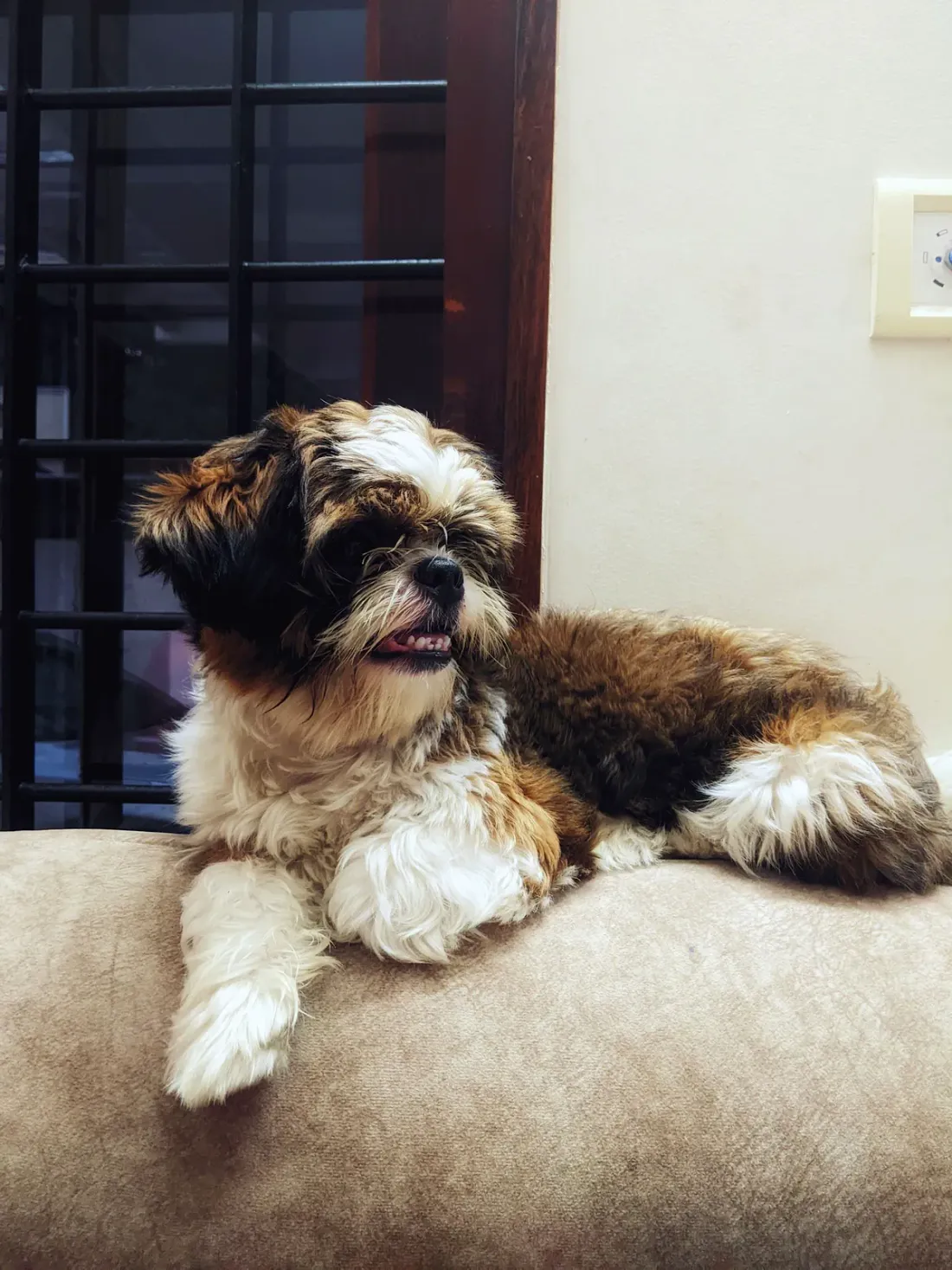
| Head and face | Broad, round, "chrysanthemum-like" face, wide-set large dark eyes | Round, broad head, wide-set large dark eyes |
| Ears | Large, drooping, heavily coated | Large, drooping, heavily coated |
| Tail | High set, carried curved over the back | High set, carried curved over the back |
Both standards put breed type ahead of size: the Kennel Club text says breed characteristics must not be sacrificed to size alone. The Kennel Club and FCI standards use the word "sturdy", describing a dog with a distinctly arrogant carriage.
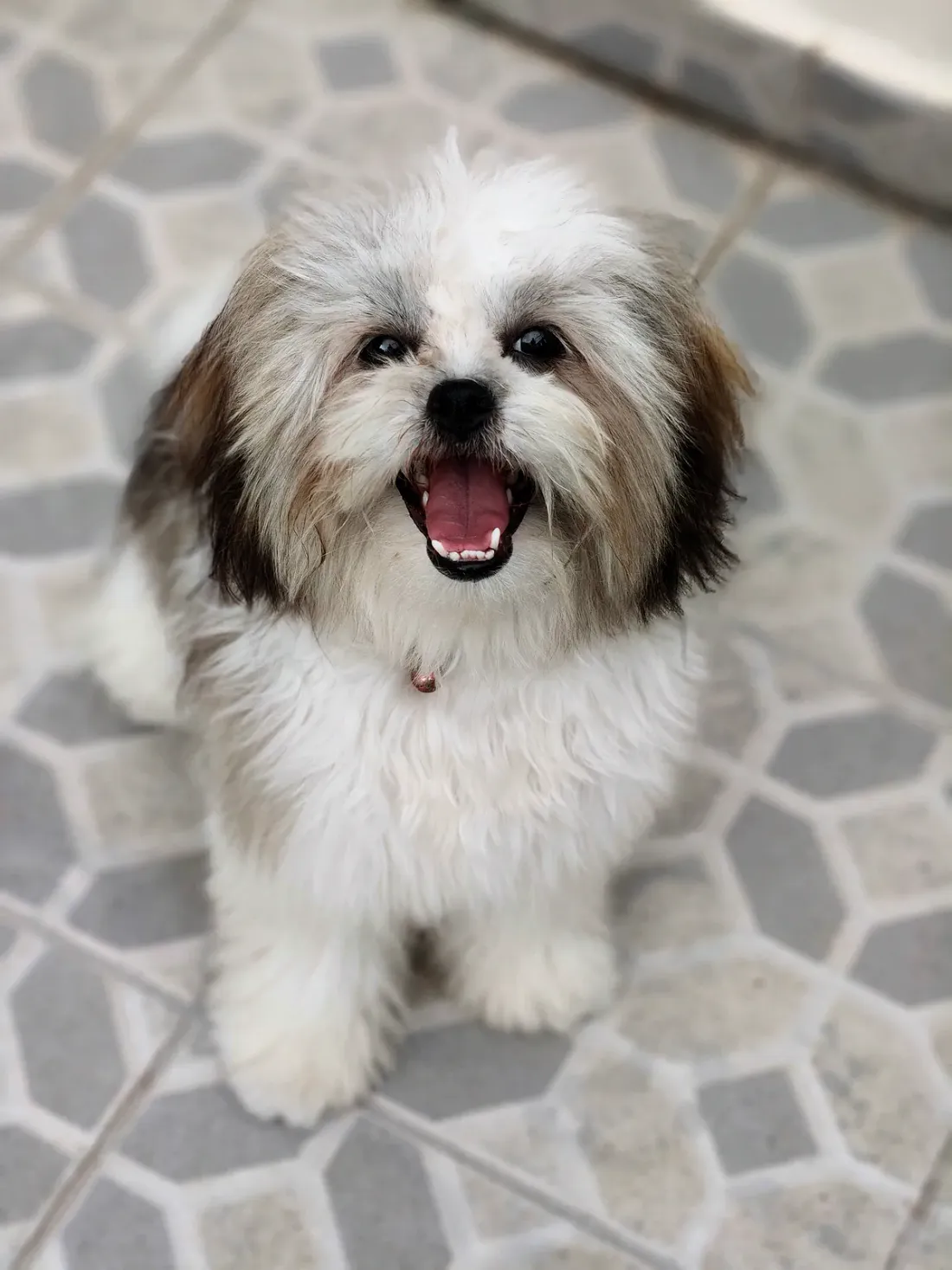
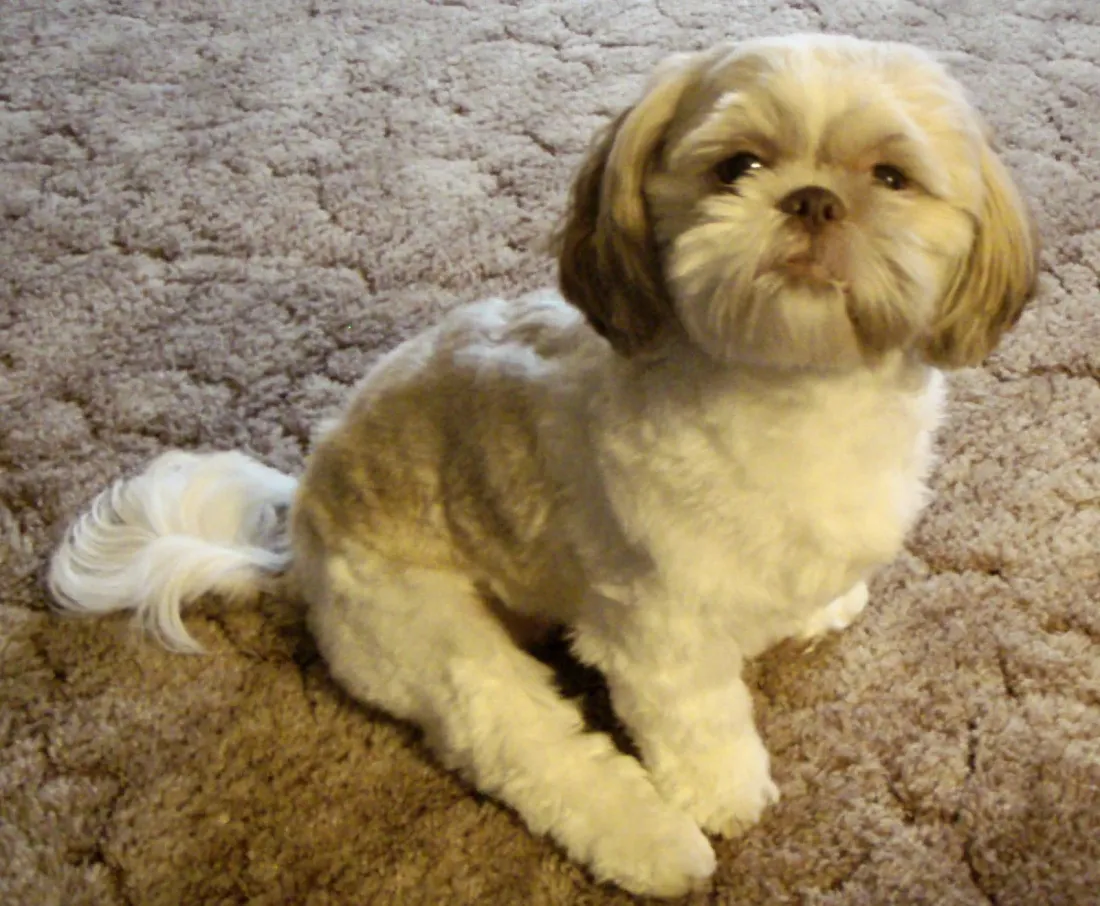
Common colours seen in practice include gold and white, black and white, solid black, liver, red and brindle. Sellers advertise "teacup" or "imperial" Shih Tzu, but no kennel club recognises these as varieties. They are simply very small or oversized Shih Tzu, and tiny dogs often carry extra health risk.
Temperament
 Related breedGreat Dane1600 to 1880 · Germany
The Kennel Club and FCI describe the Shih Tzu as "intelligent, active and alert", "friendly and independent". The AKC calls it outgoing and affectionate. In daily life, that translates to a people-focused dog that follows its owner around the house, greets visitors cheerfully and rarely shows the guarding edge of some other toys. Many are also independent and a little stubborn, so training works best with short, food-rewarded sessions and patience.
Temperament varies between lines and individuals. Early, gentle socialisation with new people, sounds and surfaces helps a puppy settle into an even adult. Ask any breeder about both parents' behaviour.
Behaviour at home
- Barking. Usually moderate. Many Shih Tzu announce visitors but do not bark constantly. Evidence on barking rates for this breed is thin, so expect individual differences.
- Separation. The breed was built to be a companion. Many dislike long absences, and gradual practice at being alone is important.
- House training. Slower than for many breeds, in common experience; consistent routines matter. No study used here gives numbers.
- Walks and play. Short walks and indoor play suit the breed. Flat-faced dogs overheat quickly, so keep exercise gentle in warm weather.
Health
 Related breedGreater Swiss Mountain Dog1700 to 1909 · Switzerland
Most Shih Tzu live long, healthy lives. A 2024 VetCompass study (O'Neill and colleagues, Canine Medicine and Genetics) followed 11,082 Shih Tzu in UK primary-care vet practices in 2016. It found a median age at death of 12.7 years, which is long compared with many breeds, and the authors highlighted several good health characteristics. The points below are what breeders screen for and owners can watch for. They are general information, not advice about your own dog. Ask your vet.
Flat face and breathing
The Shih Tzu is a flat-faced (brachycephalic) breed. A short skull can narrow the nostrils and airway, a set of problems vets call brachycephalic obstructive airway syndrome (BOAS). A 2026 study at the University of Cambridge (Tomlinson, Liu, Sargan and Ladlow, PLOS ONE) assessed about 900 dogs across 14 flat-faced breeds and put the Shih Tzu in a "moderate risk" group, where roughly half to three quarters of dogs examined were affected. Being overweight and having a shorter tail were linked to higher risk in the Shih Tzu. In plain words: a good share of Shih Tzu breathe harder than they should, mostly mildly, and some need surgery.
Eyes
Large, prominent eyes sit close to the surface of a flat face and are easy to scratch. In the VetCompass 2024 study, eye disorders as a group affected 11.9 percent of Shih Tzu, about 1 in 8 dogs, and the authors noted higher eye problem rates than reported for dogs overall. A separate VetCompass study of 104,233 dogs in England (corneal ulcers, published 2017 in Canine Genetics and Epidemiology) found corneal ulcers in 3.45 percent of Shih Tzu, about 1 in 29, among the higher breed figures, and flat-faced dogs overall were 11 times as likely as crossbreds to have an ulcer.
Health table
| Condition | What it is | How common | What helps |
|---|---|---|---|
| Flat-face breathing problems (BOAS) | Narrow nostrils and a long soft palate make breathing harder, with noisy breathing, snoring or tiring on walks | About half to three quarters of dogs examined (Tomlinson et al. 2026, moderate-risk group) | Breeders choosing longer muzzles and open nostrils, healthy weight, cool and calm exercise, early vet check, a veterinary BOAS exam before breeding |
| Eye disorders overall | Includes ulcers, scratches and dry or irritated eyes | About 1 in 8 dogs (11.9 percent, VetCompass 2024) | Daily face checks, vet visit for any squinting, redness or discharge, eye exams for breeding dogs |
| Corneal ulcer | A scratch or sore on the clear front of the eye | About 1 in 29 dogs (3.45 percent, VetCompass 2017) | Quick vet care, keeping face hair out of the eyes |
| Gum and tooth disease | Plaque and gum inflammation in a small, crowded mouth | About 1 in 11 dogs (periodontal disease 9.5 percent, VetCompass 2024) | Tooth brushing, dental checks |
| Anal sac impaction | Full anal glands that cause scooting or licking | About 1 in 14 dogs (7.4 percent, VetCompass 2024), higher than reported in dogs overall | Vet or groomer expression when needed, healthy weight and stool quality |
| Ear disorders | Infections or irritation in hairy, folded ears | About 1 in 18 dogs (5.5 percent, VetCompass 2024) | Ear checks, keeping hair trimmed, vet care for odour or head shaking |
| Skin problems (group) | Itching, allergies and infections under a long coat | About 1 in 6 dogs (16.6 percent, VetCompass 2024) | Regular brushing, skin checks, vet advice on allergy |
| Umbilical hernia | A small gap in the belly wall near the navel in puppies | More often than reported in dogs overall (VetCompass 2024); no figure given here | Vet check at the first visit |
The common causes of death in the 2024 study were spread out: enteropathy, heart disease and poor quality of life each accounted for 7.9 percent of recorded deaths.
What breeders should do
The Kennel Club's Breed Health and Conservation plan for the Shih Tzu is the place to check current recommended tests. Ask a breeder what they screen for, and ask to see a veterinary BOAS or nostril assessment and an eye examination for both parents.
 Ticks and fleasTicks and fleas on dogs: how to check, remove and prevent themTicks and fleas on dogs: how to tell them apart, check your dog, remove a tick safely, break the flea life cycle and prevent both.
 GuidesPractical guidesBehaviour, training, health and adoptionRelated breedGreater Swiss Mountain Dog1700 to 1909 · Switzerland
Living with a Shih Tzu
 Related breedMiniature Pinscher1600 to 1895 · Germany
Ratings below are an editorial summary based on the breed standard, the research cited in this article and general breed-club guidance. They are guides, not measurements. "Varies" means evidence is thin.
| Daily reality | Rating | Reason |
|---|---|---|
| Exercise per day | Low to medium | Companion breed; short walks and play suit it, and flat faces overheat |
| Training needs | Medium | Intelligent but independent; short, rewarding sessions work |
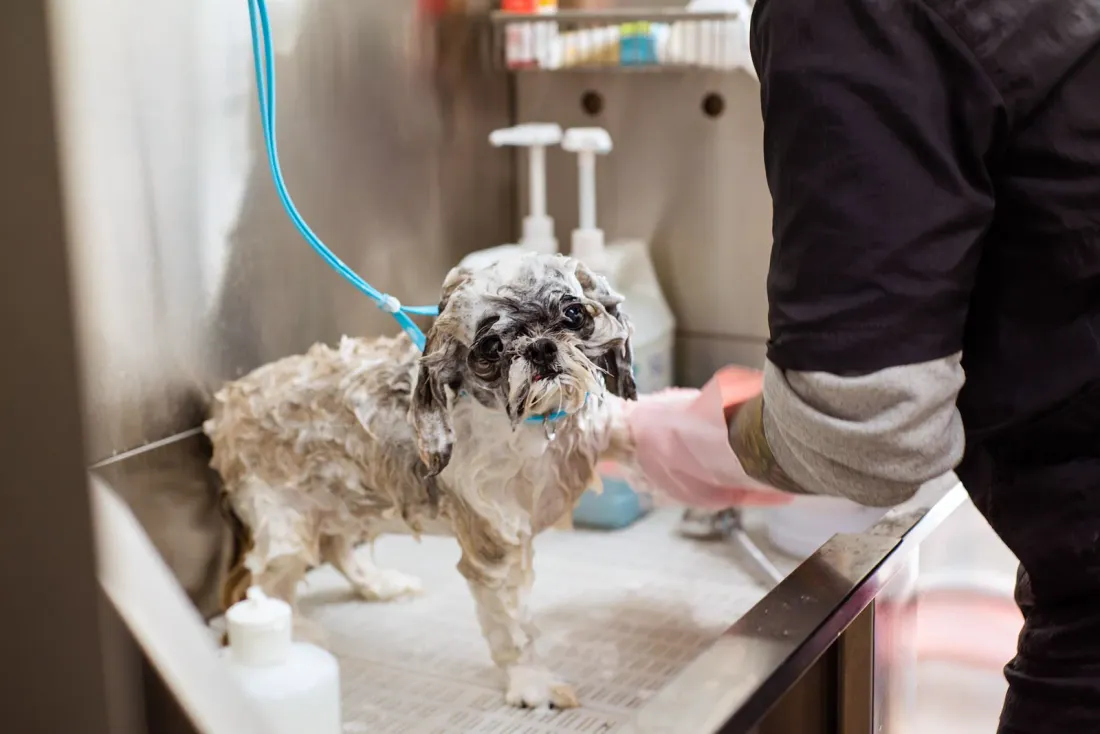
| Grooming time | High | Long double coat needs regular brushing, with a short clip as the easier option |
| Shedding | Low to medium | Hair rather than a heavy seasonal fur drop; varies by dog |
| Barking | Medium | Alert and friendly; varies |
| Time alone | Poor to fair | Bred as a companion; needs gradual practice |
| Children | Good | Friendly and sturdy for a toy; supervise small children around a small dog |
| Other dogs | Good | Generally sociable; varies |
| Cats and small pets | Varies | No source figure; individual dogs differ |
| Flat living | Good | Small, calm indoors |
| Heat tolerance | Poor | Flat face and coat; breathing makes heat harder |
| Cold tolerance | Fair | Dense coat helps, but small size means a coat or short walks in cold |
| First-time owner fit | Good | Easy-going if grooming and health care are understood |
A great fit if...
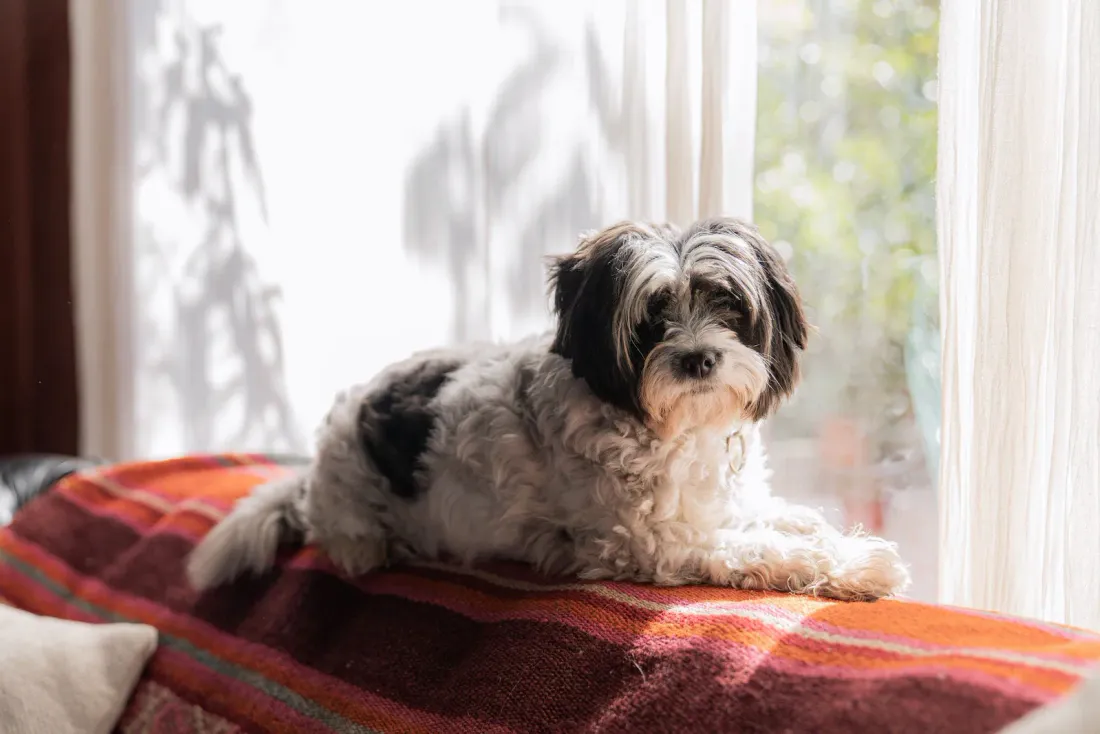
- You want a friendly dog that wants to be near you at home.
- You live in a flat or small house and prefer short walks.
- You enjoy grooming routines or are happy to book regular groomer visits.
- You will pay attention to breathing, eyes and teeth and see a vet early when something looks off.
Think twice if...
- You are away from home for long hours most days.
- You live somewhere hot and want a dog for jogging or long hikes.
- You want a dog that needs little coat care.
- You are not ready for possible veterinary care for airways or eyes.
Before you get one
- Health tests to ask for. Ask for a veterinary BOAS or nostril assessment, and an eye examination, for both parents. Ask whether the Kennel Club Breed Health and Conservation plan is followed. Choose a breeder who can show long muzzles and open nostrils, not the smallest or flattest dogs.
- Puppy or adult rescue. Breed rescues exist in many countries and often have adult Shih Tzu whose character is already known. Puppies need early socialisation and coat routines from the first weeks.
- First year. Expect puppy vaccinations and vet checks, house training that takes patience, learning to be left alone gradually, tooth care from the start and a decision between a long show coat and a short pet clip.
Similar breeds to consider
- Lhasa Apso: same Tibetan roots with a longer face, usually easier on breathing and more watchful.
- Tibetan Spaniel: close DNA relative with a longer muzzle and a lighter coat to care for.
- Havanese: a cheerful, sociable small companion with a long, silky coat.
- Maltese: a small white long-coated lap dog with a longer muzzle than the Shih Tzu.
 GuidesPractical guidesBehaviour, training, health and adoptionThinking of adopting?How to adopt a dog from a shelter or rescueHow to adopt a dog from a shelter or rescue: the process, costs in general terms, choosing a dog, the first weeks and what if it does not work out.Related breedMiniature Pinscher1600 to 1895 · Germany
Shih Tzu fun facts
 Related breedMountain Cur1700 to 1957 · United States
- The name means "lion" in Chinese, although the dog is barely 27 cm tall.
- The face hair grows upward and outward, giving the "chrysanthemum" look that earned the breed its flower nickname.
- Nearly all living Shih Tzu trace back to about 14 dogs, and one of them was a Pekingese.
- The breed's name did not appear in the AKC Stud Book until 1969, long after the UK recognised it in 1940.
Frequently asked questions
What does Shih Tzu mean?
"Lion" in Chinese. The full phrase is "lion dog", after the stylised lions of Chinese temples and palaces.
How long do Shih Tzu live?
Project data gives 10 to 16 years. In a UK study of 11,082 dogs, the median age at death was 12.7 years.
How big is a Shih Tzu?
The Kennel Club and FCI standard allows up to 27 cm at the shoulder and 4.5 to 8 kg. The AKC standard is 20 to 28 cm and about 4 to 7 kg.
Are Shih Tzu good family dogs?
They often are: friendly, sociable and sturdy for a small dog. Supervise small children, because a toy dog is easy to injure by accident.
Do Shih Tzu have breathing problems?
Many have some degree of flat-face airway narrowing. A 2026 Cambridge study put the breed in a moderate-risk group, with roughly half to three quarters of dogs affected. Weight control and a breeder who selects longer muzzles help.
Shih Tzu or Lhasa Apso?
Both are small Tibetan-rooted companions. The Shih Tzu has a shorter muzzle and is usually more outgoing. The Lhasa Apso has a longer face and a longer, straighter coat, and is often more watchful.
Do Shih Tzu shed?
Little compared with many breeds, but the long coat tangles easily and needs regular brushing.
Is the Shih Tzu an ancient breed?
DNA studies (Parker et al. 2004 and 2017) place it in an Asian lineage that separated early from many European breeds. The modern dog, though, comes from a very small rebuilt population.
Read next
Sources (11)
- American Kennel Club, "Shih Tzu History: Royal Tibetan Dog Saved from Extinction" and Shih Tzu breed standard.
- Fédération Cynologique Internationale, Shih Tzu, standard no. 208.
- Fogle B., The New Encyclopedia of the Dog, 2009.
- O'Neill D.G. et al., "Corneal ulcerative disease in dogs under primary veterinary care in England: epidemiology and clinical management", Canine Genetics and Epidemiology, 2017 (VetCompass).
- O'Neill D.G. et al., "Demography, common disorders and mortality of Shih Tzu dogs under primary veterinary care in the UK", Canine Medicine and Genetics, 2024.
- Parker H.G. et al., "Genetic structure of the purebred domestic dog", Science, 2004.
- Parker H.G. et al., "Genomic analyses reveal the influence of geographic origin, migration, and hybridization on modern dog breed development", Cell Reports, 2017.
- Tomlinson F., Liu N-C., Sargan D.R., Ladlow J.F., study of brachycephalic obstructive airway syndrome across 14 breeds, PLOS ONE, 2026.
- The Kennel Club (UK), Shih Tzu breed standard and Breed Health and Conservation information.
- Wikipedia, "Shih Tzu".
- Project knowledge base, breed records and Parker 2017 shared-haplotype table (this site).