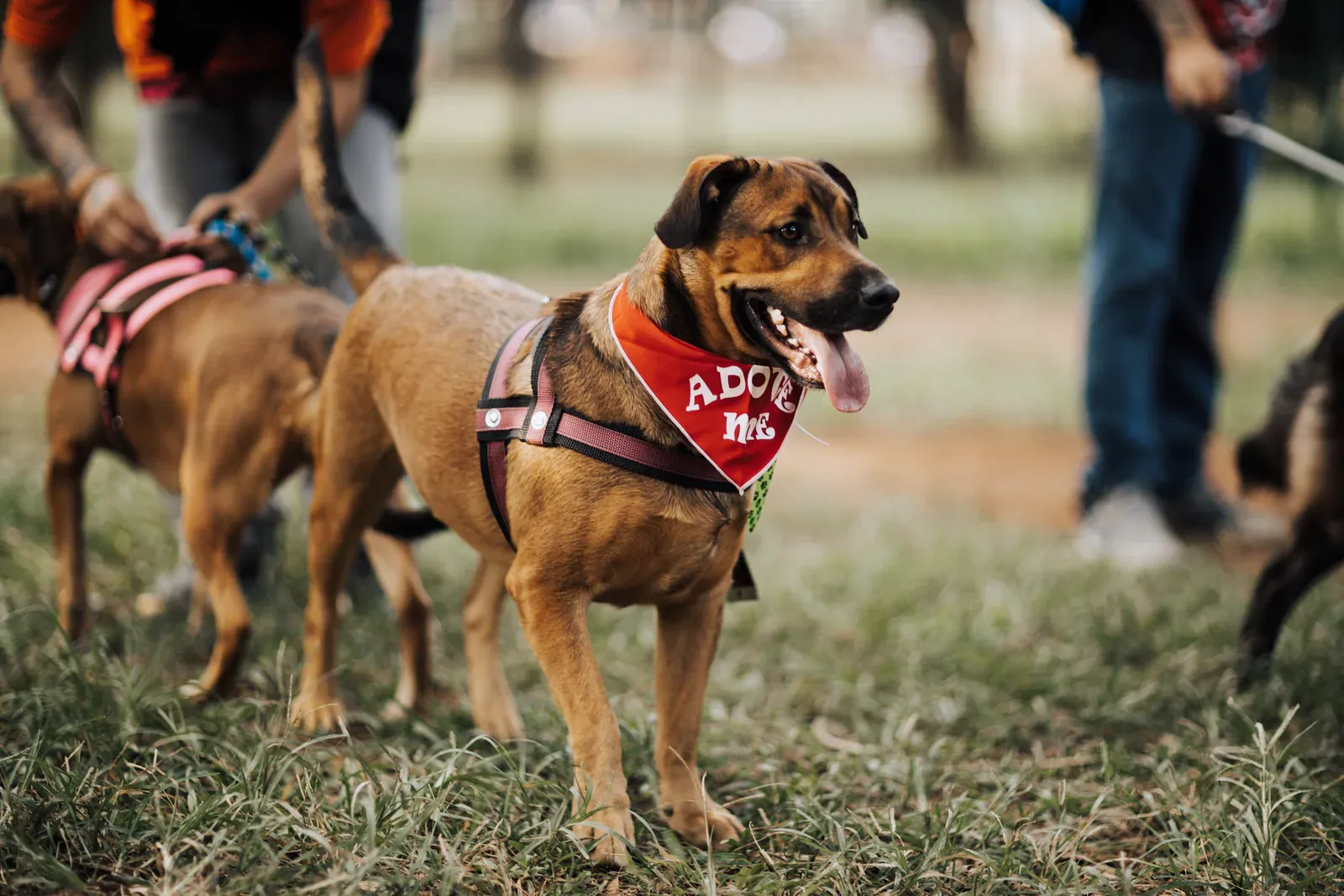
The path is the same almost everywhere: pick a dog that fits your life, apply, meet the dog, pay a fee, sign a contract, and spend a few patient weeks helping the dog settle. This guide walks through each step, what to expect, and what to do when things get hard. Rules and names differ by country, so the guide says where they do.
Quick answer: how do you adopt a dog?
- Decide honestly whether you have the time, space, money and permission (landlord, household) for a dog for the next 10 to 15 years.
- Find a shelter or rescue near you and read how it works: application, home check, fees.
- Choose a dog by temperament and needs, not by looks or breed label alone.
- Apply and meet the dog, ideally more than once, with everyone who lives with you.
- Pay the adoption fee and sign the contract. Read what it says about returns.
- Prepare the home before the dog arrives, then keep the first days quiet.
- Plan for weeks, not days, of adjustment. Many dogs need months to show their real personality.
Shelters, rescues and breed rescues
The words overlap, and the same organisation may be called either. The practical differences are small but useful to know.
- Shelter. Often run by a city, county or local authority, or by a large charity. Takes in strays and surrendered dogs. In the US these are commonly called animal shelters or humane societies, in the UK charities such as the RSPCA, Dogs Trust or Battersea run rehoming centres, and in much of the EU the equivalent is the local animal shelter (for example Tierheim in Germany or refuge in France), often with municipal ties. Dogs usually live in kennels on site.
- Rescue. Usually a smaller group, often run by volunteers, where many dogs live in foster homes. Fosterers can tell you how the dog behaves with other pets, on the sofa, alone in the house or in the car. That daily-life detail is the main advantage.
- Breed rescue. A rescue that focuses on one breed or type, such as Greyhounds, Border Collies or Staffordshire Bull Terriers. Volunteers know the breed well, which helps if you already know what you want. Dogs are also available in mixed-breed shelters, so a breed rescue is optional.
None of these is automatically better. A good shelter or rescue is open about each dog's history (as far as known), tests or observes temperament, vaccinates and neuters or arranges neutering, microchips, and supports you after adoption. Be cautious about any group that cannot answer basic questions about a dog, has no contract, or hands dogs over with no questions at all.
Until the map is ready, search for your local authority's animal shelter, national charities and breed rescue networks. Visit in person where you can. A good place feels calm, the staff know each dog by name and ask you as many questions as you ask them.
Is adoption right for you right now?
Most returned dogs are not returned because of a bad dog. Research on adopters shows that expectations matter. A UK study of 5,750 dogs rehomed by Dogs Trust in 2005 (Diesel, Pfeiffer and Brodbelt, 2008) found that about 14 percent of adoptions failed within six months. Owners who underestimated the effort a dog needs were far more likely to give the dog up than those who expected hard work. That is the best reason to look at your situation before falling for a face on a screen.
Time
A dog is a daily commitment. Most adult dogs need several walks, training, play and company. Ask how many hours the dog would be alone on a normal workday. Many shelters and rescues will not rehome a dog that would be left alone for a full working day, and for good reason: dogs that were already stressed in a kennel may struggle most with isolation.
Home and permission
- Landlord or lease. Check in writing that dogs are allowed, and whether size, breed or number limits apply. In some countries or cities, certain breeds or types are restricted by law or by insurers, and a dog in the wrong category can be seized. Check local rules before you apply.
- Garden or no garden. A fenced garden is helpful, not required. Many dogs live well in flats if they get enough exercise and mental work. Stairs, lifts and noisy neighbours matter more than square metres for some dogs.
- Household. Everyone who lives with you should agree. Allergies and fear of dogs should be discussed before the meeting, not after.
Budget, by category
Get local quotes for each: the adoption fee (one-time), food (the main running cost, rising with size), routine vet care, insurance or an emergency fund, licence or dog tax where it applies, equipment, training classes or a behaviourist, and daycare or boarding for long days and trips. The fee is the smallest part of the lifetime cost of a dog. Also think ahead: moves, babies, new jobs and breakups are among the usual reasons dogs are given up, so know who would take the dog if you could not.
Choosing a dog
 See alsoLabrador Retriever1800 to 1903 · United Kingdom
Age
- Puppies are rare in shelters in some places and common in others. They need the most time: house training, socialisation, chewing, broken nights. Their adult size and temperament are partly guesswork, especially in mixed breeds.
- Young adult dogs (about 1 to 3 years) are often full of energy and still learning manners. They suit active people who like training.
- Adult dogs (about 3 to 8) often have settled temperaments, and what you see is closer to what you get.
- Senior dogs. Adopting a senior dog is a calm option for many people: they are usually house trained, sleep a lot and ask for gentle walks. The trade-offs are higher vet costs and less time together, so budget for them and enjoy the years you get. Many shelters discount or waive fees for seniors, and many seniors wait the longest for a home.
Existing pets and children
Tell the shelter about every animal and child at home, and ask whether the dog has lived with or been tested around cats, dogs or children. A dog fine on a lead with other dogs may still need careful introductions. Even a friendly dog needs rules and supervision around young children, and children need to be taught how to treat dogs.
What breed information can and cannot tell you
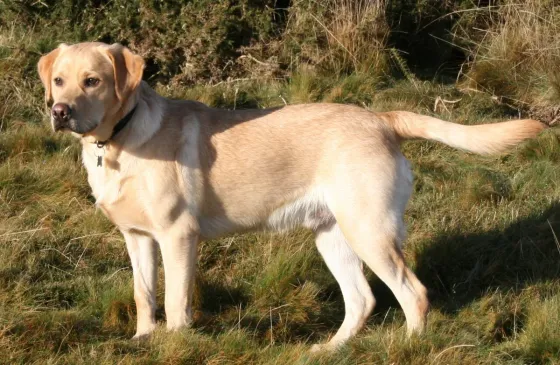
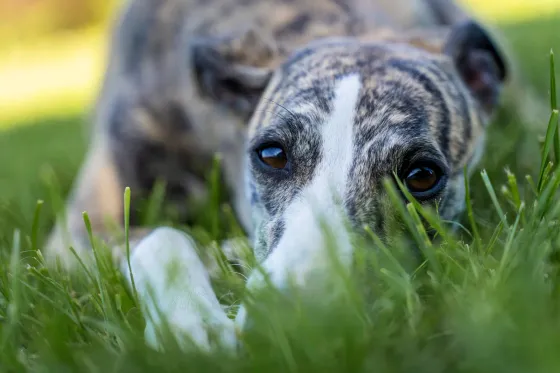
If you know you like a certain kind of dog, breed information is a good starting point. Reading about a breed's history and purpose helps you understand what a dog may need. A dog bred to herd, such as the Border Collie, tends to need work for its brain. A dog bred for sprinting, such as the Greyhound or Whippet, often turns out to be a surprisingly calm sofa companion between short bursts of running. Retrievers like the Labrador Retriever often love people and food, and need exercise and weight control. Terriers such as the Jack Russell Terrier and Staffordshire Bull Terrier vary widely, and have strong personalities that suit some homes very well.
The limits are real:
- Mixed breeds. Many shelter dogs are mixes or of unknown parentage. A label written on a kennel card is often a guess based on looks. Research on shelter staff and visual breed identification has repeatedly found that guesses often disagree with DNA results, including Voith and colleagues (2009). Looks tell you little about behaviour.
- Individual differences. Within one breed, personalities vary as much as between breeds. Upbringing, early experience, health and training shape a dog at least as much.
A better approach: use breed knowledge for general hints about energy, coat care and instinct, then judge the dog in front of you. Ask staff and fosterers how the dog behaves, not what it is. To see how breeds relate to each other, read the [[topic:dog-family-tree|dog family tree]].
The adoption process step by step
Details differ by shelter and country. The general shape:
- Browse and enquire. Read the full dog profile. Notes such as "needs an experienced owner", "no cats" or "only dog" are the shelter's honest advice. Respect them, even when you love the photo.
- Application. Expect questions on your home, household, work hours, other animals, dog experience and plans for exercise and training. Some ask for a vet reference or landlord permission. It is not a test of your worth. Staff are trying to avoid a failed match, so answer honestly, doubts included.
- Home check. Some groups, often rescues, visit or ask for photos or a video call to check fencing, hazards and who lives there. Large municipal shelters often skip it. If you are refused, ask why and whether another dog may fit.
- Meet and greet. Meet more than once, in a quiet place, with everyone who will live with the dog. If you have a dog, arrange an introduction on neutral ground. Walk the dog, ask about history, medical record and known triggers, and ask what happens if it does not work out. Walking away from a poor fit is kind to both of you.
- Fees. Almost every shelter and rescue charges an adoption fee, a contribution to costs and not a purchase price. It may cover vaccination, microchip, neutering (or a deposit) and a health check. Ask exactly what is included. Fees are often lower for seniors, bonded pairs and long-stayers.
- Contract. Typical terms: keep the microchip registered in your name, neuter where not yet done, provide veterinary care, never sell or breed the dog, and return the dog to the shelter if you cannot keep it rather than rehoming it yourself. Read it and ask about anything unclear. Microchipping is compulsory in several countries, including the UK and many EU states, and some require registration with the local authority.
Preparing your home
Do this before the dog arrives, so the first days are quiet.
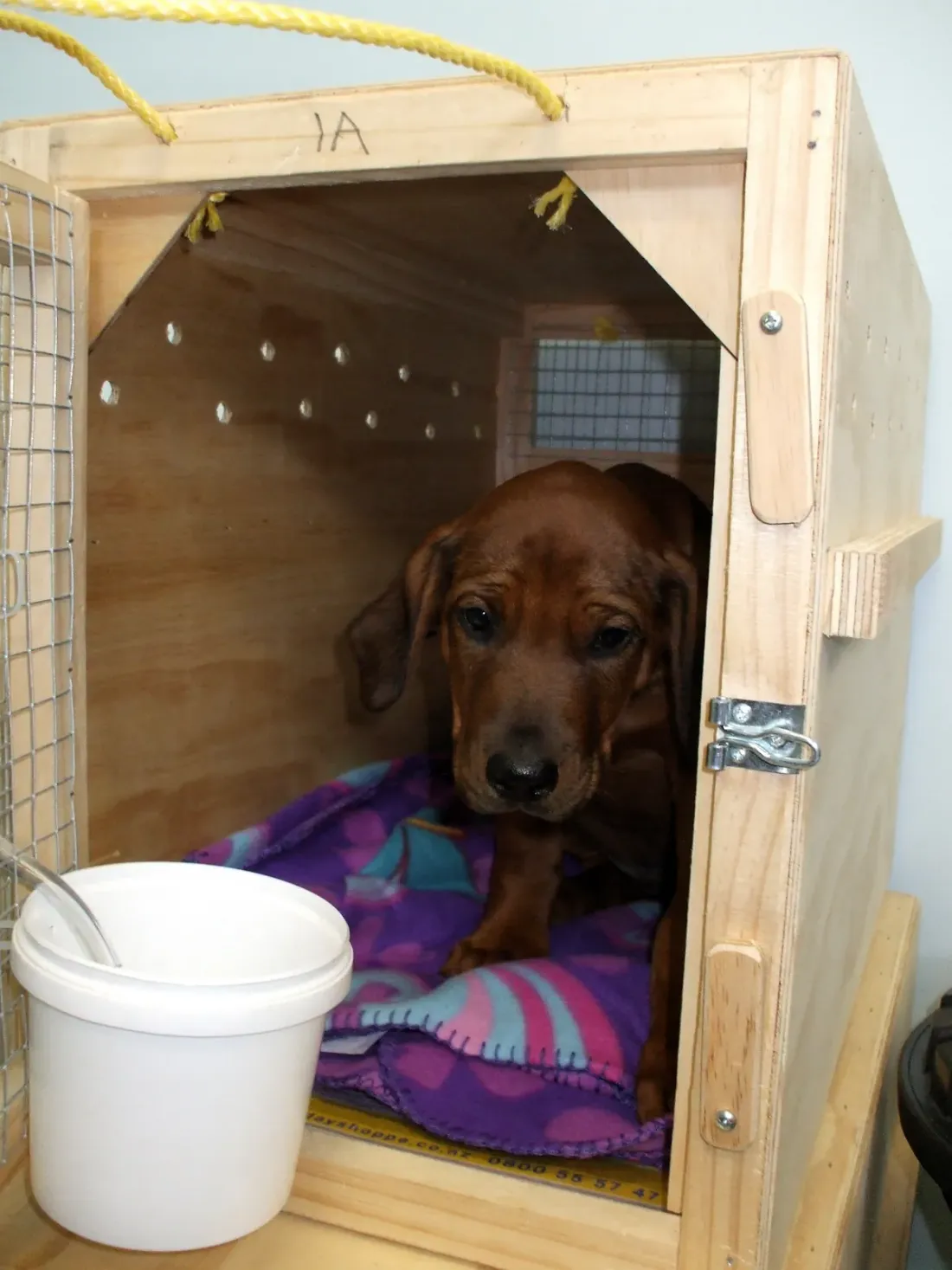
- Safe space. A bed, crate or quiet corner where the dog can retreat, and where visitors and children do not follow.
- Secure the boundaries. Check fences, gates and balcony openings. Newly adopted dogs can bolt in the first weeks, out of fear. Use a well-fitted collar and lead, even in the garden at first, until recall is reliable. Consider double leads or a second point of safety in the car.
- Remove hazards. Cables, medicines, cleaning products, toxic plants, chocolate, grapes and other food known to be poisonous to dogs, and rubbish bins.
- Food and water. Buy the same food the shelter has been using, and change it slowly over about a week, if you want to change at all.
- Basics. Bowls, bed, collar with ID tag, lead, poo bags, chew toys, gates for stairs.
- Routine. Plan who walks, feeds and cleans, and when. Dogs relax when life is predictable.
- Vet. Register with a local vet and book a first check within the first week or two, as the contract or shelter advises.
- Time off. If you can, take a few days off work for the start. Do not plan guests, parties or a big trip at once.
The first days and weeks
Decompression
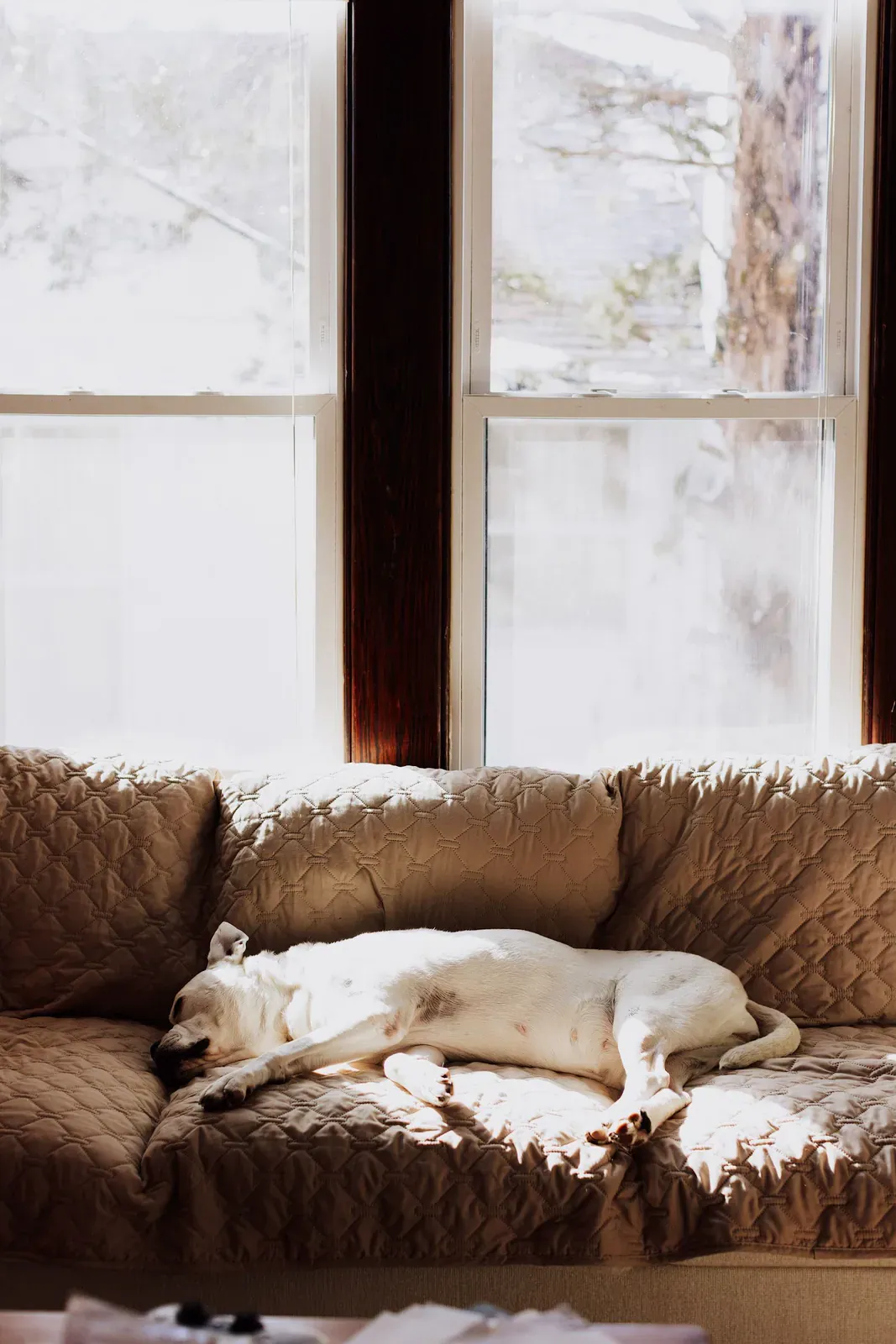
Most adopted dogs go through a period of adjustment. They have lost a place, people and routine, sometimes more than once. They may be quiet, withdrawn, anxious, restless, clingy or unexpectedly exuberant. This is common and usually not a sign of what the dog will be like in the end.
Good practice for the first week or two, often called decompression:
- Keep life calm and predictable. Short, quiet walks near home.
- Limit visitors, car trips, dog parks and busy places.
- Let the dog approach people on its own terms. Do not hug, grab or loom over a nervous dog.
- Feed at set times in a quiet spot.
- Learn the dog's body language: yawning, lip licking, whale eye, a tucked tail, stiffening and freezing are signs of stress and say "give me space".
- Expect accidents, chewing and a lost appetite for a day or two.
The 3-3-3 rule
Rescue groups often describe a "3-3-3 rule" as a guide to what to expect:
- First 3 days: the dog may be overwhelmed, shy, not eat much, and test boundaries or hide.
- First 3 weeks: the dog starts to learn the routine, settle in and show more of its personality, and behaviour problems may appear.
- First 3 months: the dog feels at home, trusts you and is more secure in its routine.
Treat this as a rule of thumb from shelter and rescue experience. It is not a scientific finding, and no study is known to have tested the 3-3-3 timings. Some dogs relax in days. Others, particularly dogs with fearful backgrounds, may take six months or more. The idea is helpful if it lowers your expectations at the start and gives you permission to wait before judging the dog.
Common challenges and what to do
Most issues improve with time, routine and patience. Pain, illness and sudden behaviour change call for a vet check first. Then ask for a qualified behaviourist: in the UK a clinical animal behaviourist from a recognised register, in the US a veterinary behaviourist or certified applied animal behaviourist, elsewhere a referral from your vet.
Fear and shyness
Fearful dogs may hide, tremble or react to noises, people or objects. Let the dog set the pace. Do not force greetings. Reward calm moments, keep outings short and introduce new things at a distance the dog can cope with. Progress is usually real but slow, often months.
House training
Kennel or street dogs may never have learned, and trained dogs slip in a new place. Go out after waking, eating, playing and before bed, reward toileting outside and clean accidents with an enzyme-based cleaner. Do not punish: it teaches dogs to hide toileting. Persistent accidents can be medical, so see the vet.
Separation distress
Whining, barking, destructive behaviour or toileting when alone may be separation-related distress, which is common in adopted dogs. Salonen and colleagues (2020) found anxiety-related problems, including separation-related ones, in a substantial share of 13,700 Finnish pet dogs. Practise tiny absences and build up slowly, and keep arrivals and departures calm. A dog that panics needs professional guidance.
Resource guarding
Some dogs stiffen, growl or snap near food, toys, a bed or a person. It is common and can be stronger in dogs that knew scarcity. Never punish a growl, because it is a warning and removing it makes a bite more likely. Feed in a quiet place, trade up rather than snatching, and keep young children away. Ask a behaviourist for a plan if guarding is strong.
When to get help immediately
Get professional help quickly after any bite or attempted bite, aggression toward people or animals, a dog that stops eating for more than a day or two, or a sudden behaviour change. Talk to the shelter too: many offer free advice or training discounts after adoption.
Adopting a dog from abroad
Some shelters and rescues arrange transport of dogs from other countries, for example from southern or eastern Europe, Ireland, or from Asia to the UK, EU or US. Some of these groups do good work. Others are less careful. Things to know:
- Rules vary by country and change. Check the current official guidance of the country you live in before agreeing. Typical elements are a microchip, a rabies vaccination given after the microchip and a waiting period before entry, a health certificate or passport, and sometimes a blood test or tapeworm treatment. In Great Britain, for example, dogs entering from the EU need a microchip, a rabies vaccination at least 21 days before travel, an animal health certificate and tapeworm treatment (this applies to most listed countries; check current rules on the government pet travel pages). In the US, the CDC set new import rules for dogs in 2024 covering age, microchip, vaccination and health documents. Rules may change, so check the official source.
- Commercial import is regulated. A dog moved by a charity or dealer, rather than travelling with its owner, usually counts as a commercial movement with stricter rules (minimum age, documentation, in some cases an import licence). Organisations such as Dogs Trust and the RSPCA have raised concerns about illegal and poorly regulated dog movement, including puppies imported too young.
- Health risks. Dogs from some regions may carry diseases that are rare where you live, such as leishmaniasis, babesiosis, heartworm, ehrlichiosis or brucellosis. Some of these show symptoms months or years after arrival, and some are hard to treat. Ask what tests were done and which diseases the group screens for.
- Red flags. Pressure to pay quickly, no contract, no vet records, no contact with a local registered organisation, or a promise that the dog is "perfect" without proof.
Returning a dog
Sometimes adoption does not work out. A dog may be dangerous to a child, a health problem may arise, your housing may change, or the match may simply be wrong. Returning a dog is not a crime and not a sign you are a bad person. Studies of returned shelter dogs show that behaviour, mismatched expectations and changes in the owner's life are the most common reasons, and many returned dogs are adopted again. It is far better to return a dog to the shelter than to abandon it, rehome it through an anonymous advert or pass it to someone you do not know.
If you are thinking about it:
- Ask for help first. Call the shelter, a trainer or behaviourist. Many problems have a plan, and the shelter would rather support you than take the dog back.
- Give it time. Many problems in the first weeks are part of adjustment (see above). Do not decide in the worst week.
- Be honest about safety. If anyone, especially a child, is at risk, safety comes first.
- Return to the original shelter, as your contract usually requires. Tell them everything: what happened, what you tried, what the dog needs. That information helps the next home.
- Allow yourself to grieve. It is common to feel guilt and sadness. Giving a dog the chance of a better match is a responsible decision when it is made with care.
Frequently asked questions
How much does it cost to adopt a dog?
Fees vary by country, organisation and dog, and usually cover some veterinary care. Ask what is included. The first year also includes equipment, food, vet care and training, so plan for more than the fee.
Can I adopt a dog if I rent?
Often yes, with written landlord permission. Check the lease for pet clauses and breed or size limits before you apply.
Can I adopt a dog if I work full time?
Sometimes. Shelters want to know who will walk the dog and how long it will be alone. Daycare, a walker, remote days or a partner at home often make it workable.
What is the 3-3-3 rule for a rescue dog?
A rule of thumb: about three days to decompress, three weeks to learn the routine and three months to feel at home. Every dog differs. It is a guide, not science.
How do I adopt a dog with other pets at home?
Tell the shelter about all your animals and ask how the dog has been with dogs or cats. Meet on neutral ground, introduce slowly at home and keep animals apart when unsupervised at first.
Is adopting a senior dog a good idea?
For many people yes. Seniors are often calm and house trained. Plan for more vet visits and fewer years together.
Can I adopt a specific breed from a shelter?
Yes, through a breed rescue or by watching shelter listings and asking to be told about new arrivals. Be flexible: a dog with the traits you like may not be your favourite breed on paper.
Where can I find a dog to adopt near me?
Start with your local authority or municipal shelter, national animal charities and local rescues. A map of nearby shelters and rescues is planned for this site.
Read next
Sources (10)
- American Society for the Prevention of Cruelty to Animals (ASPCA). Pet statistics and shelter intake and surrender data (estimates of dogs entering and leaving US shelters each year).
- Diesel, G., Pfeiffer, D. U., Brodbelt, D. (2008). Factors affecting the success of rehoming dogs in the UK during 2005. Preventive Veterinary Medicine.
- Hiby, E. F., Rooney, N. J., Bradshaw, J. W. S. (2004). Dog training methods: their use, effectiveness and interaction with behaviour and welfare. Animal Welfare.
- Salonen, M., Sulkama, S., Mikkola, S., Puurunen, J., Hakanen, E., Tiira, K., Araujo, C., Lohi, H. (2020). Prevalence, comorbidity, and breed differences in canine anxiety in 13,700 Finnish pet dogs. Scientific Reports.
- Vieira de Castro, A. C., Fuchs, D., Morello, G. M., Pastur, S., de Sousa, L., Olsson, I. A. S. (2020). Does training method matter? Evidence for the negative impact of aversive-based methods on companion dog welfare. PLoS ONE.
- Voith, V. L., Ingram, E., Mitsouras, K., Irizarry, K. (2009). Comparison of adoption agency breed identification and DNA breed identification of dogs. Journal of Applied Animal Welfare Science.
- Dogs Trust, RSPCA and Battersea. Rehoming guidance and public positions on dog importation and puppy trade.
- UK Government (DEFRA and APHA). Pet travel and commercial import rules for dogs.
- US Centers for Disease Control and Prevention. Dog importation regulations (2024).
- Animal Behaviour and Training Council (UK). Register of practitioners.