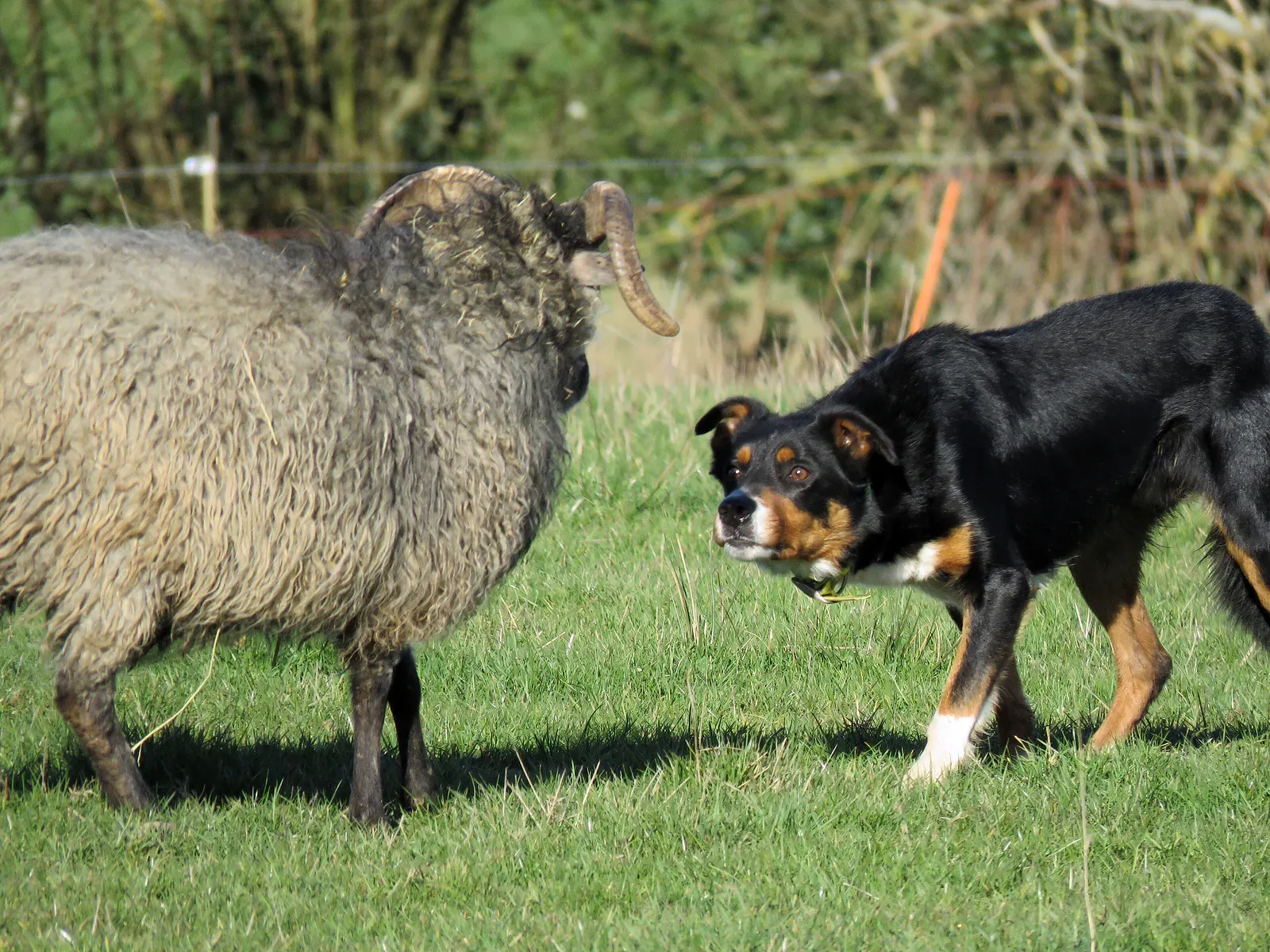
Nearly every modern Border Collie traces back to one dog, Old Hemp, born in Northumberland in 1893. The breed is famous for intelligence, stamina and an intense stare called "the eye". It suits owners who can give it more than two hours of exercise and real mental work every day, and it tends to struggle in homes that cannot.
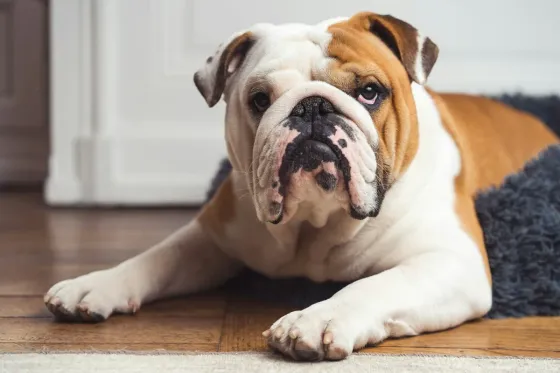 Related breedBulldog1835 to 1875 · United Kingdom
Border Collie quick facts
- Closest DNA relatives
- Bearded Collie, Australian Kelpie, Rough Collie
- Descendant breeds
- Welsh Sheepdog (see note below), Koolie, New Zealand Heading Dog
- Country of origin
- United Kingdom (Anglo-Scottish Border region, Great Britain)
- Period of development
- About 1800 to 1915 (project data); name in use by 1915
- Foundation sire
- Old Hemp, born September 1893, West Woodburn, Northumberland
- Type
- Herding dog (FCI Group 1, Sheepdogs and Cattledogs; FCI standard no. 297; AKC Herding Group; UK Kennel Club Pastoral Group)
- Height
- Kennel Club standard: ideal 53 cm for dogs, bitches slightly less. Typical range about 46 to 56 cm
- Weight
- About 12 to 25 kg (breed standards give no weight)
- Coat
- Two types: moderately long, or smooth. Dense double coat
- Colours
- Many; black and white is most common. White should never predominate (Kennel Club)
- Life span
- Project data: 12 to 15 years. UK studies: median about 12 years
- Exercise
- More than 2 hours a day (Kennel Club breed information)
- DNA group
- "UK Rural" (Parker et al. 2017)
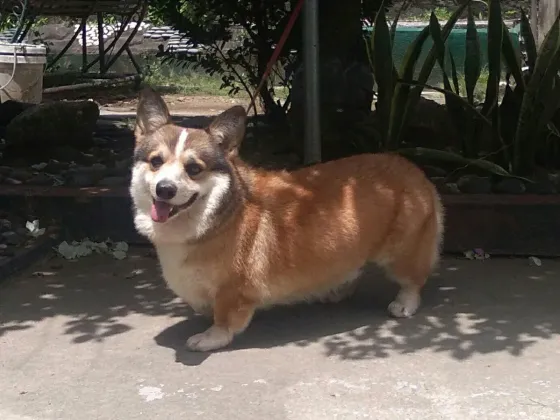
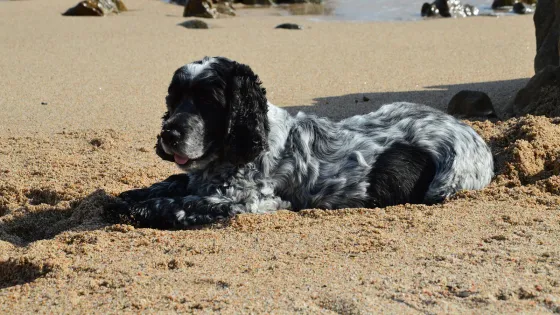 Related breedEnglish Cocker Spaniel1800 to 1892 · United Kingdom
Where does the name "Border Collie" come from?
"Border" points to the Anglo-Scottish border, where the working dogs of this type are thought to have first formed a recognisable strain. The name was used by James Reid, secretary of the International Sheep Dog Society (ISDS), in 1915. He used it to separate ISDS-registered working dogs from the show-ring collies of the Kennel Club. Sources disagree on the exact debut of the phrase: the Online Etymology Dictionary dates "Border-collie" in print to 1894, and other histories say the name only spread widely in the early 1900s.
"Collie" is older and its origin is uncertain. The word is recorded from the 1650s as a Scots name for a sheepdog. Four theories compete:
- Coal theory. From Scots "coaly", coal-black. A "colley" was also a black-faced sheep (recorded 1793), and the dogs may be named for the sheep they herded or for their colour.
- Gaelic puppy theory. From Gaelic cuilean or cuilein, "whelp" or "puppy". This appears in the Century Dictionary and in Jamieson's Scottish dictionary.
- Scandinavian name theory. From "Colle", a dog name known in Middle English (Chaucer wrote of "Colle our dogge").
- Gaelic "useful" theory. A claim by the writer Iris Combe that "collie" meant "useful". Critics say the Gaelic words for "useful" look nothing like "collie".
It is also possible that several of these influences converged. A fifth, weaker idea links the name to cropped tails. No theory is proven.
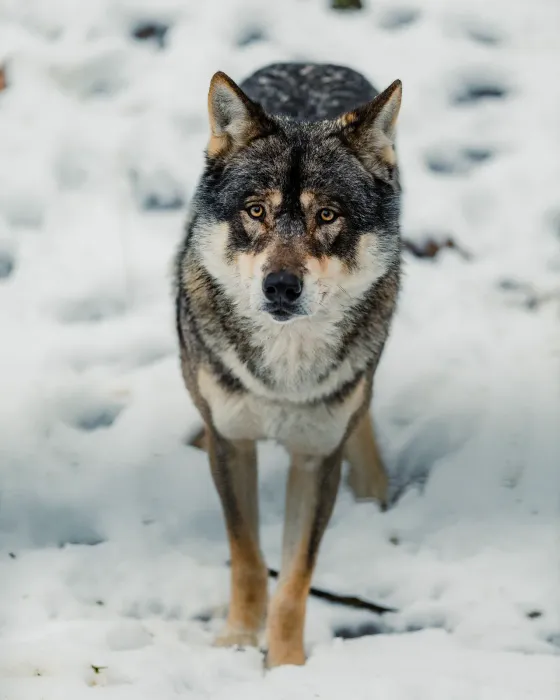
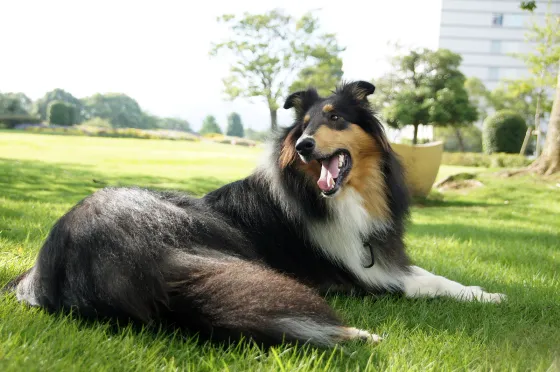
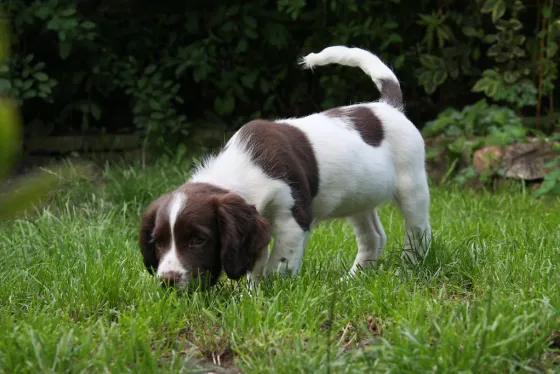 Same eraEnglish Springer Spaniel1800 to 1902 · United Kingdom
What is the history of the Border Collie?
Before the name
Collie-type herding dogs were spread widely across Britain for centuries. They were a : working dogs selected for ability, not for looks. Early writers such as Johannes Caius (16th century) described shepherds controlling flocks with voice, hand signals and whistles. Thomas Bewick's 1790s engravings show a sheepdog with sheep and shepherds. Stories that Roman or Viking dogs founded the breed circulate widely, but no DNA or written evidence in the sources used here supports them, so treat them as folklore.
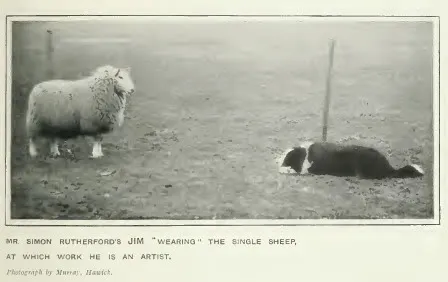
One trait is newer than people assume. A strong, fixed stare, "the eye", appears to have been uncommon until the late 1800s. One history names the 1873 trial at Bala, North Wales, as the first clear written reference: a dog called Sam was described as holding sheep with his eye.
Sheepdog trials
The Bala trial of 1873 is usually cited as the first recorded sheepdog trial in Britain, with ten dogs, and a Scottish handler took first prize. Other sources note earlier trials abroad, for example Wanaka in New Zealand in 1867 and a Kelpie winning at Young, New South Wales, in 1871. Trials gave farmers a public way to compare dogs, and that shaped the breed. The ISDS was formed in 1906 to improve the shepherd's dog, and the first international trial followed. The society still keeps a working-dog registry, with more than 300,000 entries, separate from the kennel clubs.
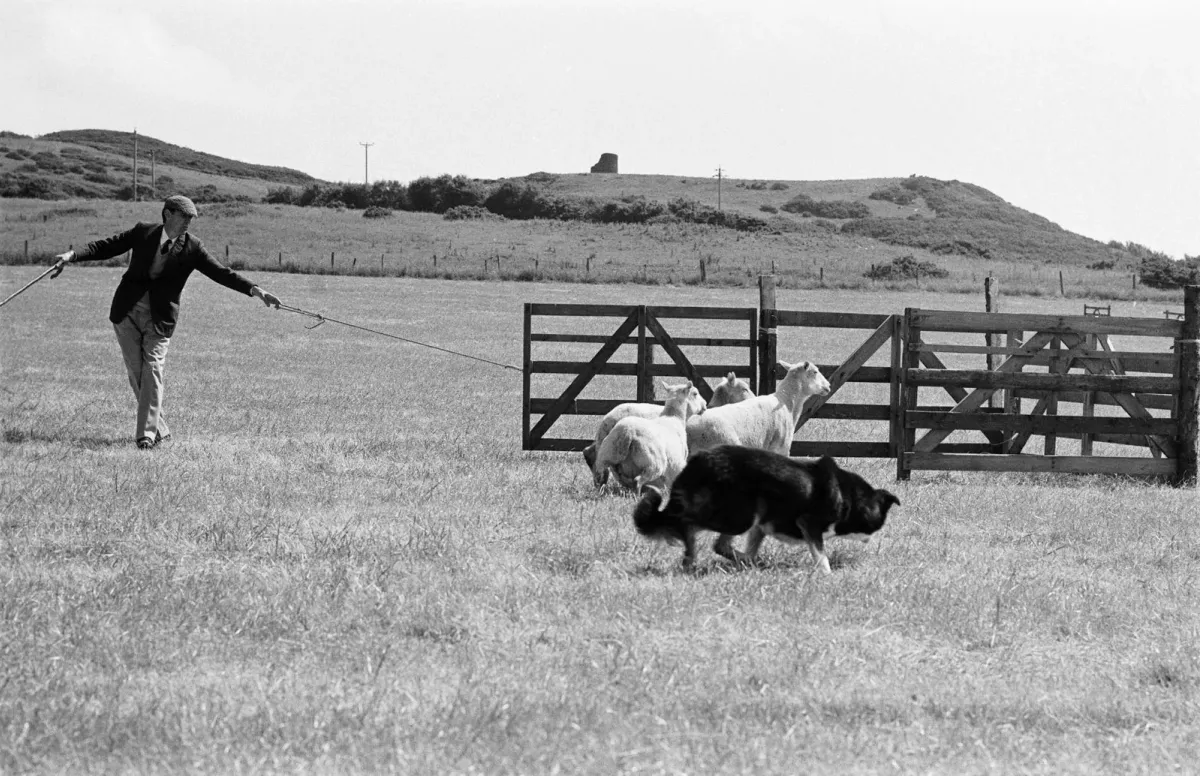
Old Hemp
Old Hemp was born in September 1893 (1 September, according to Wikipedia) in West Woodburn, Northumberland, and died in May 1901. His breeder and owner was Adam Telfer. His sire Roy was a loose-eyed black, white and tan dog. His dam Meg was a reticent, strong-eyed black dog. Hemp was tricolour with little white, rough-coated, about 53 cm tall and 20 kg.
What made him matter was his style. He worked far more quietly than the sheepdogs of his time, using a steady stare instead of barking and rushing. Shepherds and trial judges liked the control that gave them, and his pups were in demand. He is credited with more than 200 offspring. Reports say all 29 winners of the early international championship (1906 to 1951) descended from him, and all purebred Border Collies alive today are said to trace a line back to him. Telfer reportedly compared Hemp to a meteor crossing the sheepdog sky. One history gives 1894 as the year he began working and siring. These figures come from secondary histories, not from ISDS records checked for this draft.
A symbol, not real pups. Figures from secondary histories.
Two breeds from one stock
From about 1860 the show ring changed the collie. Show collies were selected for appearance and became the Rough Collie and Smooth Collie. Working collies stayed under the ISDS, selected for herding skill. In the project's data the Rough Collie and Smooth Collie are sister breeds of the Border Collie for this reason: they came from the same working stock.
Kennel club recognition
| Year | Event |
|---|---|
| 1906 | International Sheep Dog Society formed |
| 1915 | James Reid's ISDS use of "Border Collie" for registered working dogs |
| 1955 | AKC places the breed in its Miscellaneous class |
| 1976 | UK Kennel Club recognises the Border Collie as a breed |
| 1995 | AKC full recognition: decision in December 1994, registration from 1 April 1995, championship points from 1 October 1995 |
The FCI lists the breed as standard no. 297 (definitive), with Great Britain as country of origin. The ISDS long opposed the show ring, fearing it would cost the breed its working ability. Since 1976 two populations exist side by side: working lines registered with the ISDS, and show and companion lines registered with kennel clubs.
 Same familyGerman Shorthaired Pointer1800 to 1872 · Germany
Which breeds are ancestors, descendants and relatives of the Border Collie?
The project knowledge base lists no fixed parent breeds for the Border Collie. It is a foundation breed drawn from the British collie landrace.
Descendant breeds
- Koolie (Australia). Crossing Border Collie and Australian Kelpie blood contributed to some Koolie lines. The Koolie's ancestors are also believed to include Scottish collies imported in the early 1800s.
- New Zealand Heading Dog. Descends from Border Collies brought by settlers, then bred for local conditions: shorter coats for hot summers and less tendency to lie down, so distant shepherds could see the dog in tussock grass. No major kennel club recognises it.
- Welsh Sheepdog (Wales). The project data lists the Border Collie as a parent. The Welsh Sheepdog Society tells it differently: the Welsh Sheepdog is an older native type that was crossed extensively with Border Collies after trials became popular. It is usually loose-eyed and longer in the leg.
Sister breeds
- Rough Collie and Smooth Collie. Same working stock, split by the show ring (see above).
- Cumberland Sheepdog. Extinct, about 1800 to 1900. Described as related to the Border Collie, and some specimens were reclassified as Border Collies in the early 1900s. Confidence in this link is low.
- English Shepherd. American breed sharing ancestry through farm collies taken across the Atlantic by settlers.
Same working stock
- Rough Collie1800 to 1886
- Smooth Collie1800 to 1885
- Cumberland Sheepdogextinct1800 to 1900
- English Shepherd1700 to 1927
Descend from it
- Welsh SheepdogUnited Kingdom
- KoolieAustralia
- New Zealand Heading DogNew Zealand
What does DNA say?
A 2017 study by Parker and colleagues (Cell Reports) analysed 1,346 dogs from 161 breeds and sorted them into 23 supported clades. The Border Collie falls in the "UK Rural" clade, together with other British herding breeds and also sighthounds such as the Greyhound, Whippet, Scottish Deerhound and Irish Wolfhound. The study also measured shared , long stretches of identical DNA inherited from common ancestors. The more (Mb) two breeds share, the stronger the sign that they were crossed or came from shared founders. The study cannot say which way the genes flowed.
Source: Parker et al. 2017, as recorded in this site's breed database.
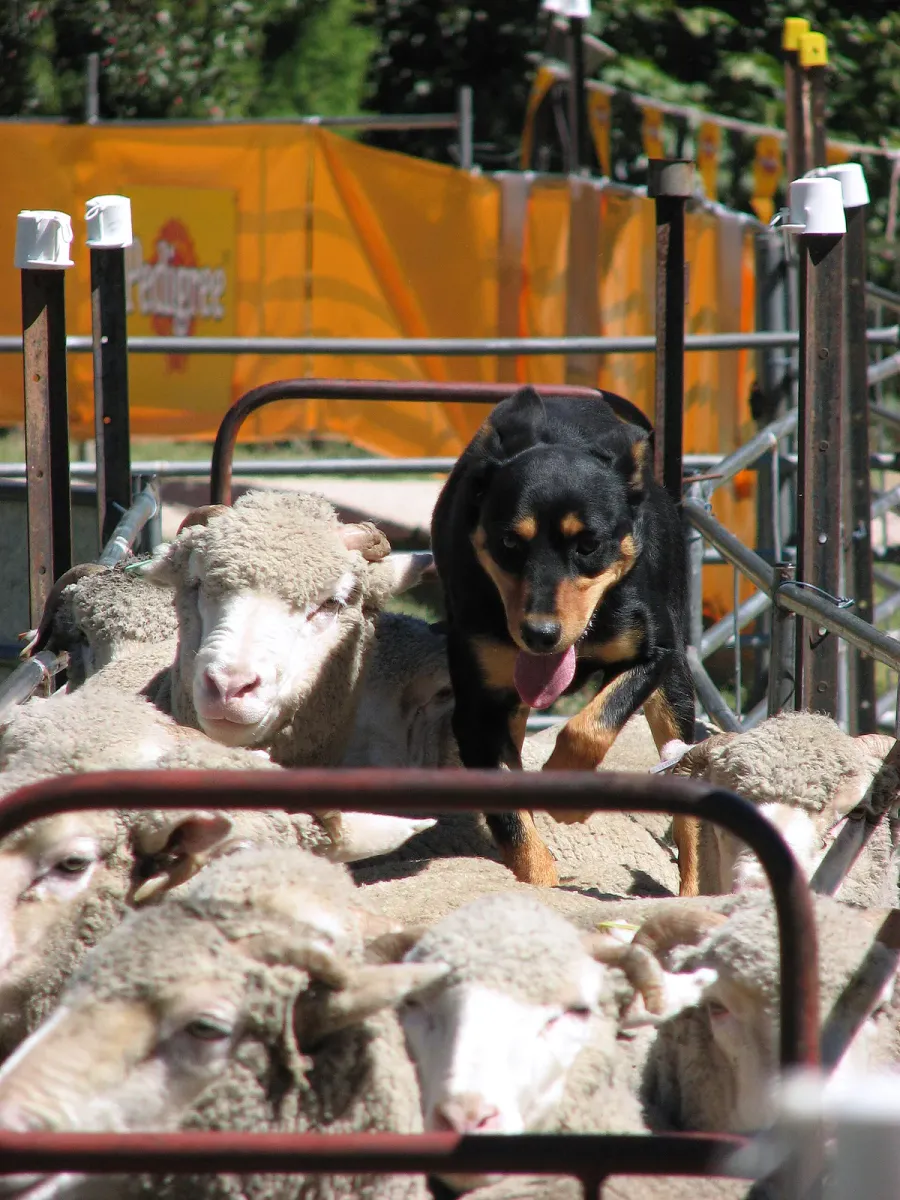
Two results stand out. The Bearded Collie, a British herder of a different look, shares more DNA with the Border Collie than any other breed. The Australian Kelpie is second, which fits the story that Scottish collies were used to build Australian working dogs. The Australian Cattle Dog also appears in the table, another sign of how far collie blood travelled with shepherds.
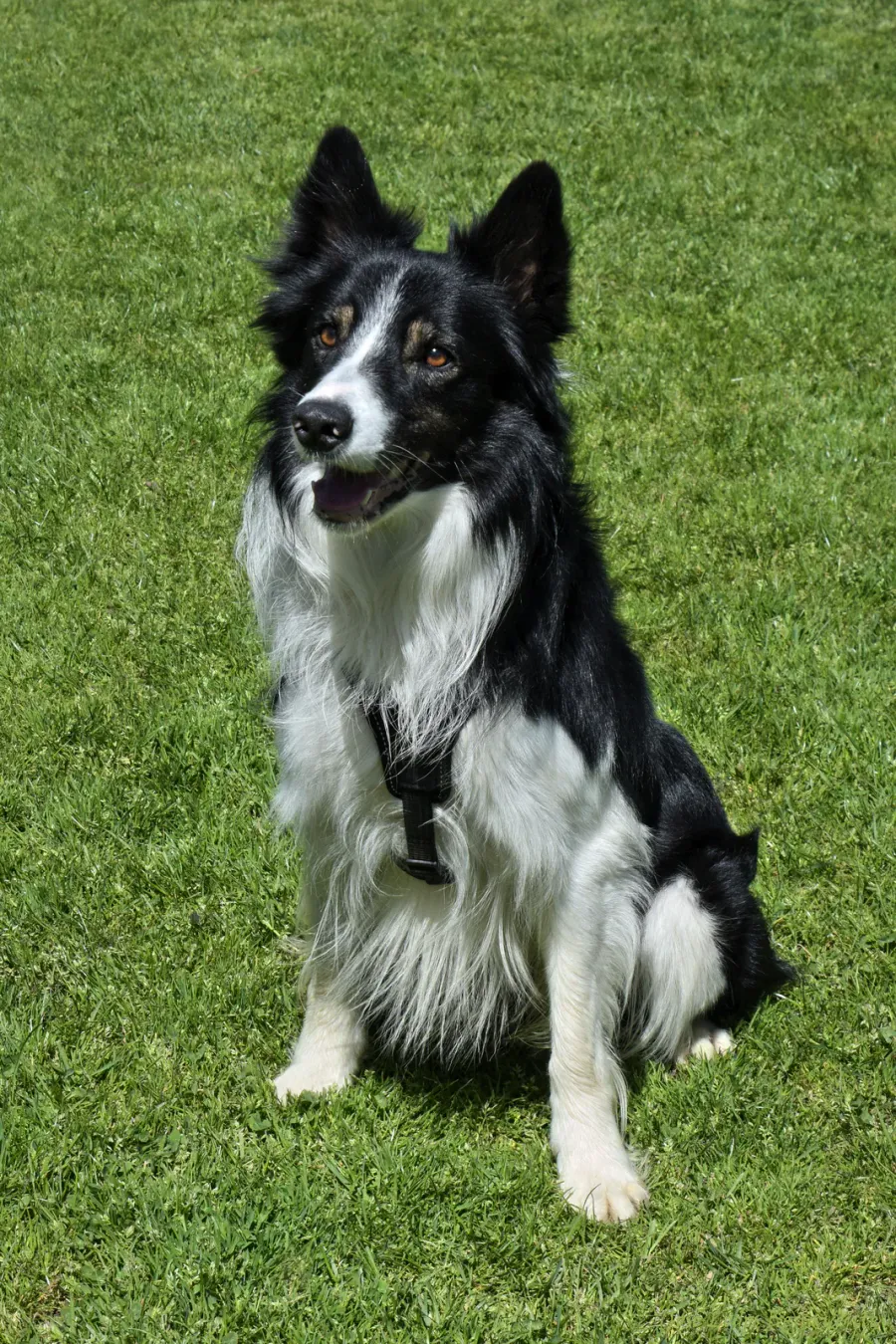
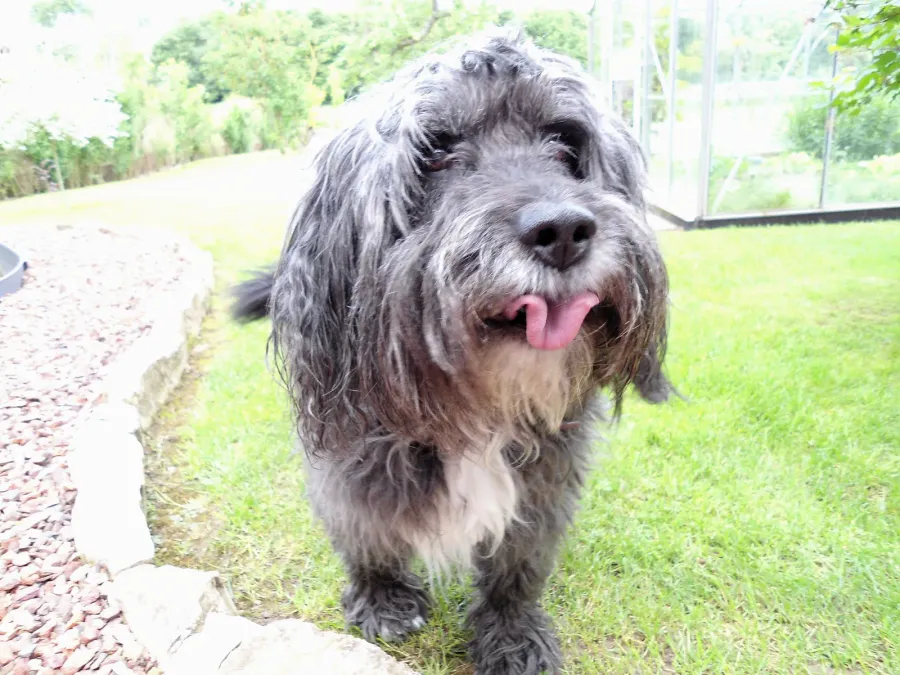
 Bearded Collie77.8 Mb 3.2%
 Australian Kelpie62.6 Mb 2.6%
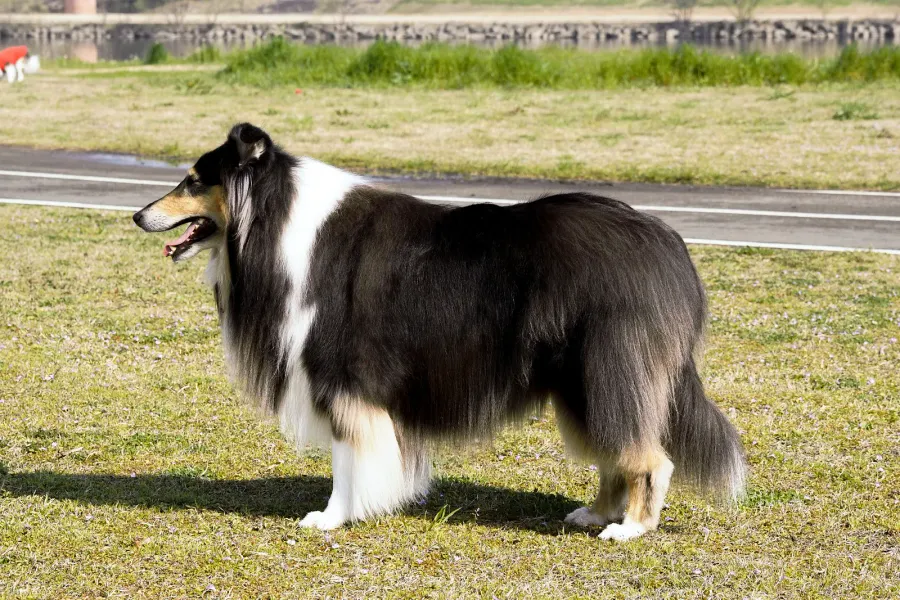
 Rough Collie36.2 Mb 1.5%
- Shetland Sheepdog27.9 Mb 1.2%
- Cardigan Welsh Corgi23.8 Mb 1.0%
- Australian Shepherd20.0 Mb 0.8%
- Old English Sheepdog19.2 Mb 0.8%
- Pembroke Welsh Corgi19.1 Mb 0.8%
- Australian Cattle Dog17.8 Mb 0.7%
Source: Parker et al. 2017. Percent of the whole genome.
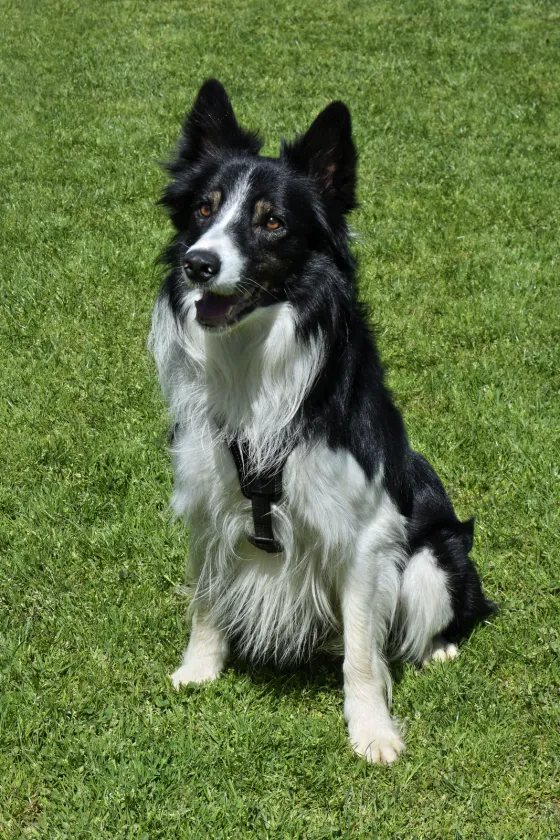
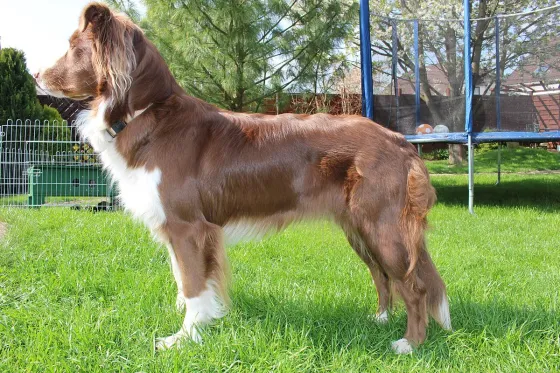
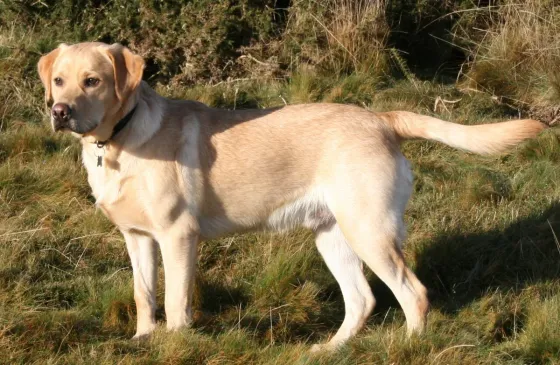 Looks relatedLabrador Retriever1800 to 1903 · United Kingdom
How big is a Border Collie and what does it look like?
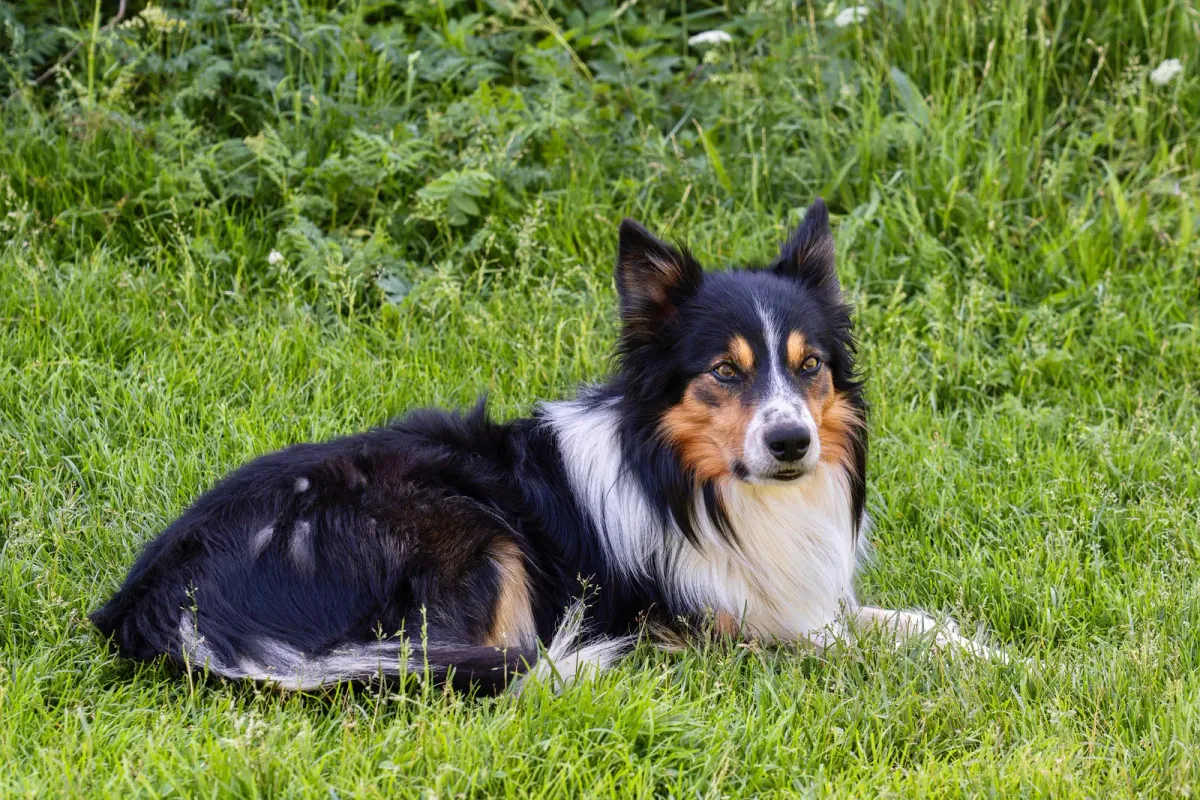
The Kennel Club standard describes a well-proportioned, athletic dog with a smooth outline, "quality, gracefulness and perfect balance", and enough substance for endurance. Body length is slightly more than height at the shoulder.
- Height. Ideal 53 cm for dogs, slightly less for bitches (Kennel Club). Breed reference works give a typical range of about 46 to 60 cm across both sexes.
- Weight. Standards give none. Reference works list roughly 14 to 25 kg for males and 12 to 19 kg for females. Working-line dogs tend to be lighter.
- Head. Fairly broad skull, distinct stop, strong muzzle about as long as the skull.
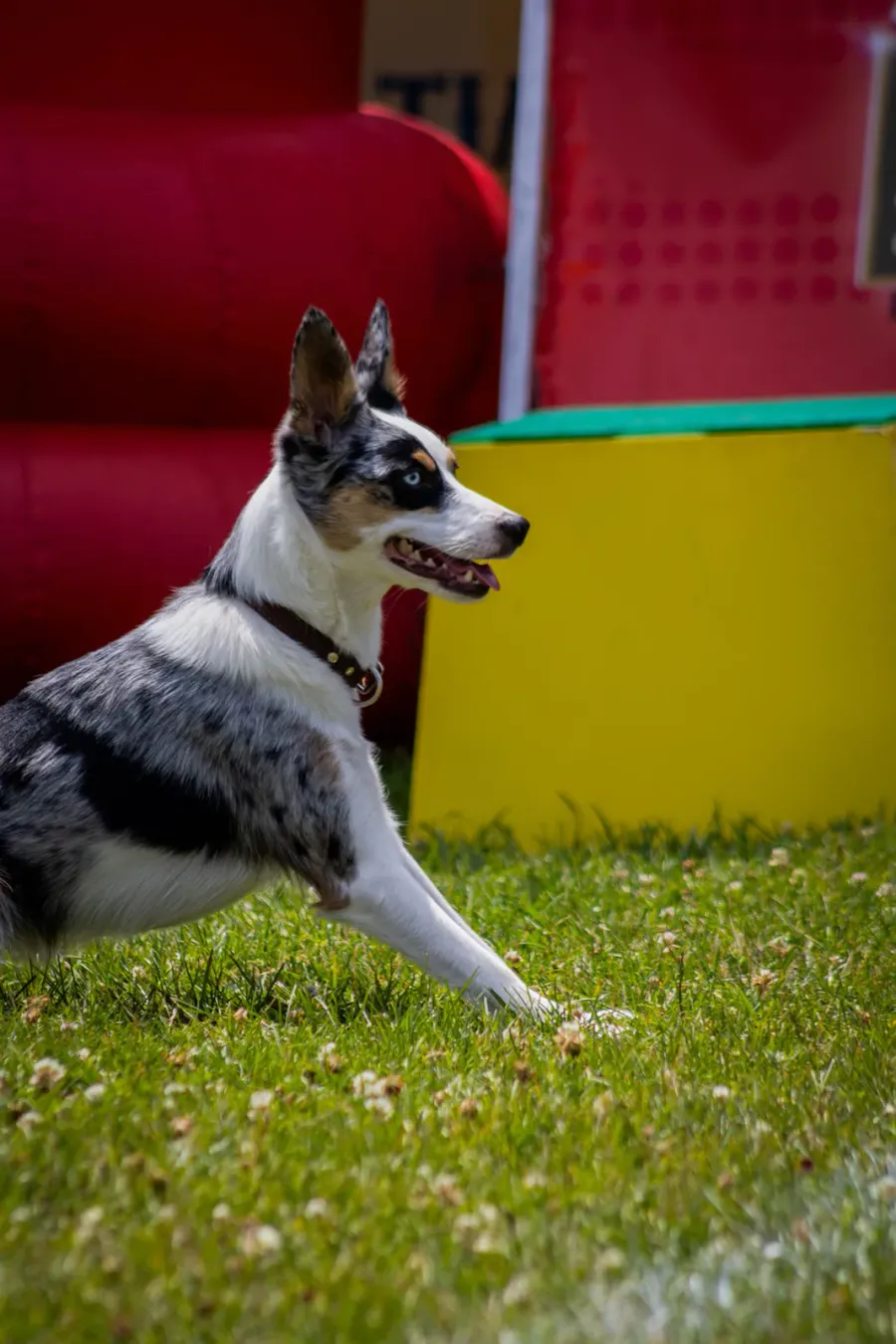
- Eyes. Set wide apart, oval, usually brown. Merles may have blue eyes, and reference works report eyes from brown to green and occasionally one eye of each colour. The Kennel Club expression is "mild, keen, alert and intelligent".
- Ears. Medium, set well apart, erect or semi-erect in the Kennel Club standard. Working dogs also come with dropped ears, and all three carriages occur in the breed.
- Coat. Two types, moderately long and smooth. Both have a dense, medium-textured topcoat over a soft undercoat that resists weather. It sheds regularly and needs brushing more than once a week (Kennel Club).
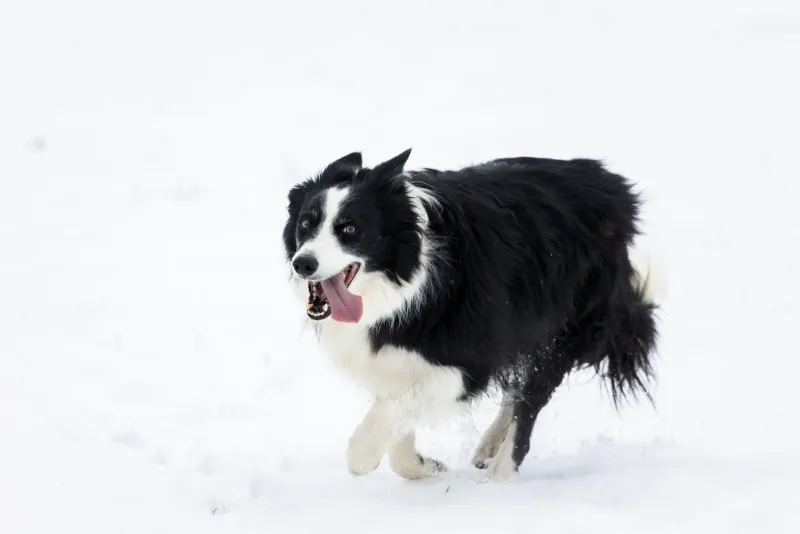
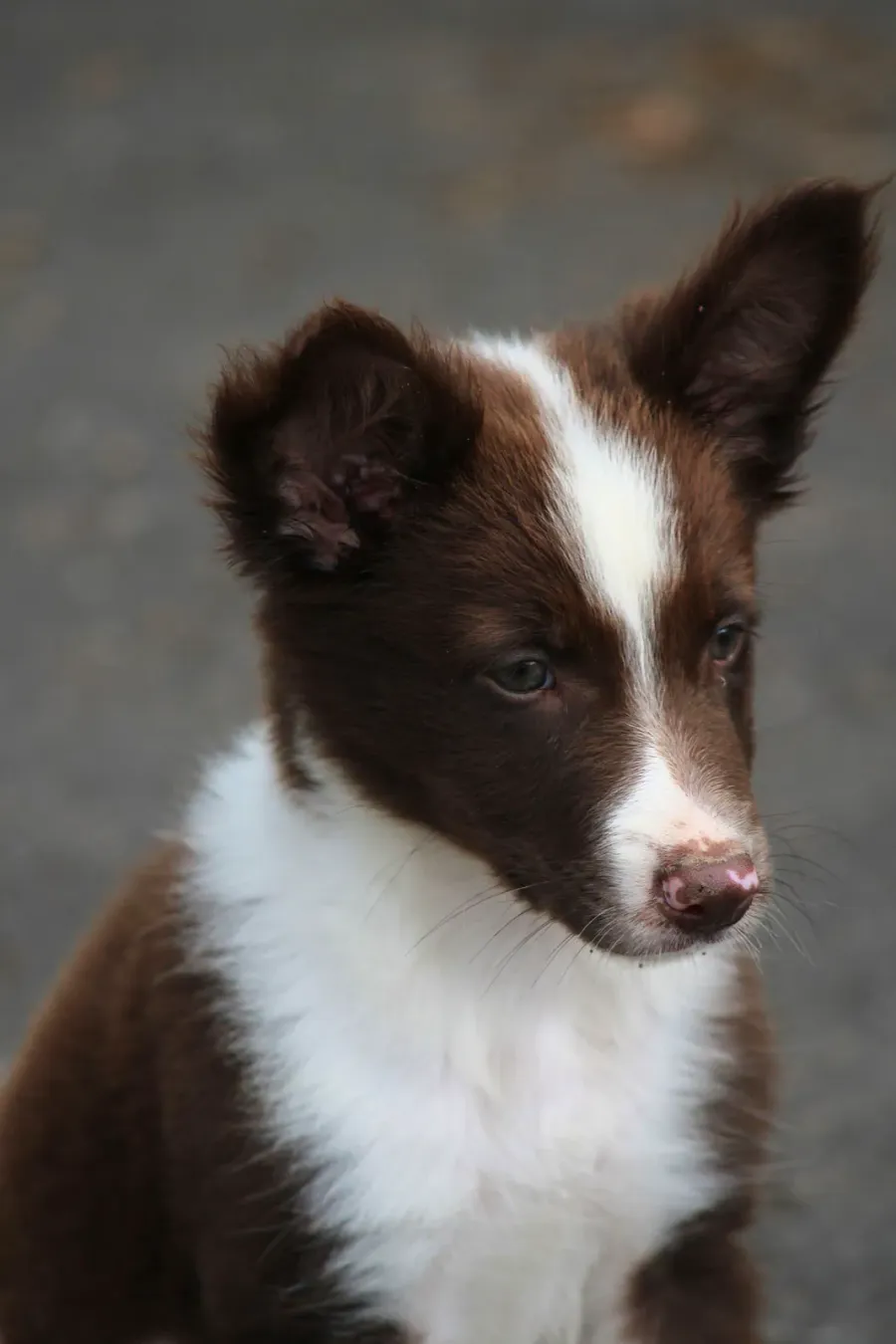
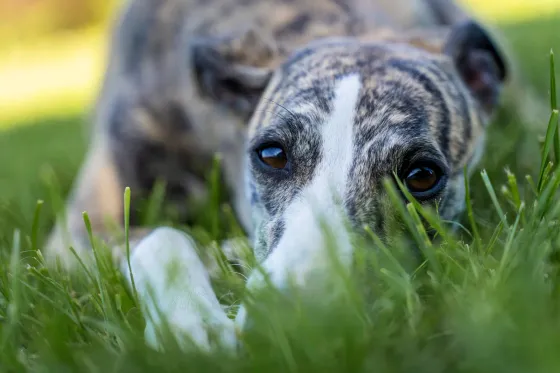
- Colours. The standard allows "a variety of colours", with white never predominating. Black and white is the most common. Black tricolour and red tricolour are frequent. Others include blue , lilac, brindle and red (also called gold or "Australian red"). Noses match the coat: black, brown or slate.
most common
"Australian red"
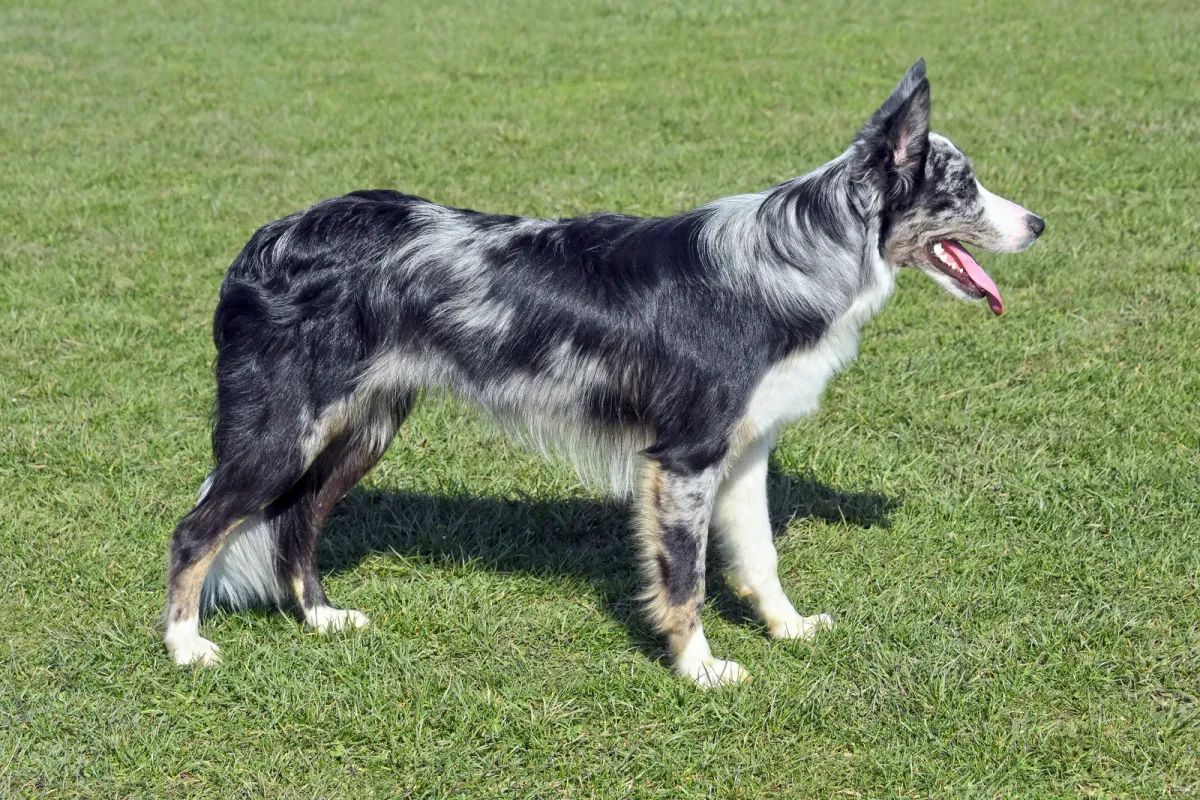
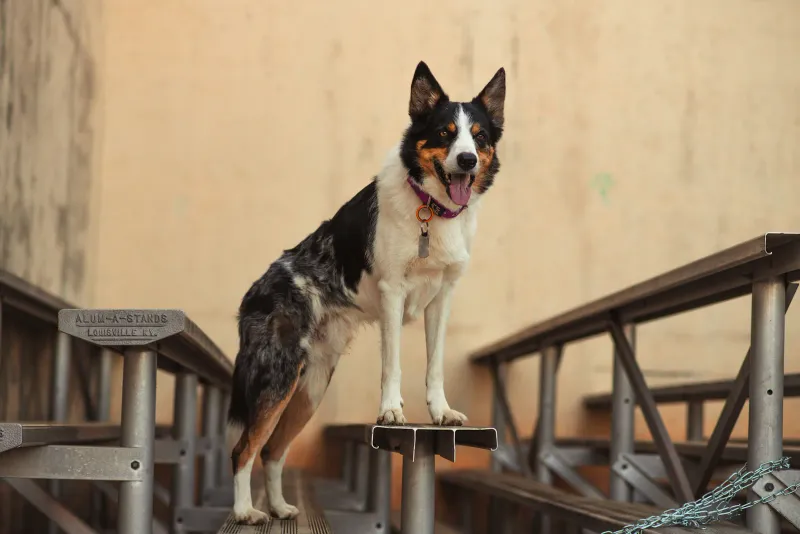
Merle. Merle patterning comes from a SINE insertion in the SILV gene (Clark et al. 2006). Two copies (double merle) are linked to eye malformations and deafness. The Kennel Club has prohibited merle-to-merle matings for litters registered after 1 January 2013.
 Related breedPomeranian1800 to 1900 · Germany
What is the Border Collie's temperament like?
The Kennel Club describes a "tenacious, hard-working sheep dog, of great tractability", alert and intelligent, "neither nervous nor aggressive". In daily life that means a dog that is eager to work, attentive to its person, and acutely aware of movement and sound. Many are reserved with strangers. Most are affectionate once the day's work is done, though the AKC warns that the breed can be too much for owners without the time, energy or means to keep it occupied.
Temperament varies strongly by line. Dogs bred for trials are often more intense and sensitive than show and companion lines. Even within one line, a puppy's background and early experience matter, so ask a breeder about both parents' behaviour, not only their awards.
Why does a Border Collie stare, crouch and circle?
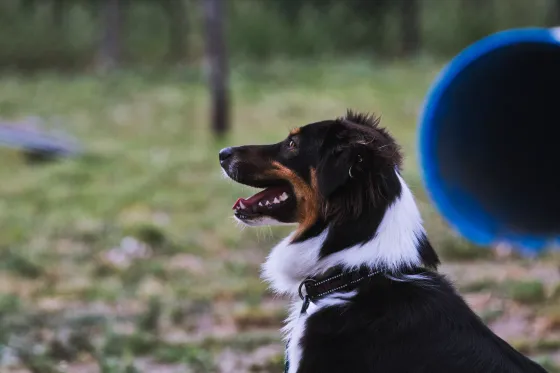
Herding is a shortened version of the wolf hunting sequence: orient, eye, stalk, chase, grab-bite, kill-bite. Border Collie breeding kept the orient, eye and stalk and mostly removed the last steps. Canine behaviour writers describe this as a truncated .
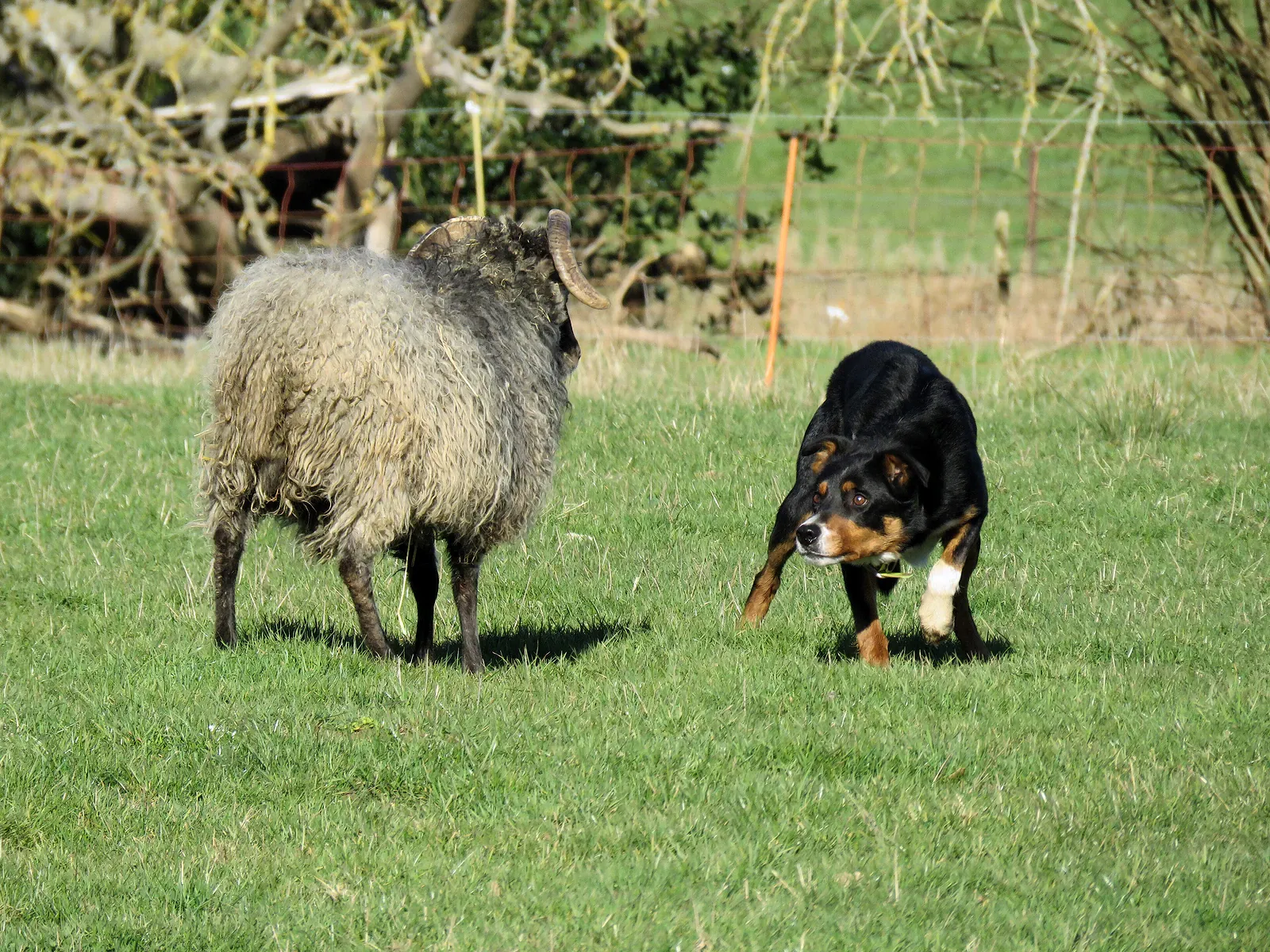
- The eye. A fixed stare that holds stock in place or moves it. Dogs vary from strong-eyed (intense, low, slow) to loose-eyed (more upright, using movement and sometimes voice). Old Hemp's sire Roy was loose-eyed and his dam Meg strong-eyed.
- The stalk and crouch. When using the eye, a Border Collie lowers its head and often its whole front end into a creeping crouch, and moves in arcs to gather, drive or turn stock.
- Gather, fetch, drive, shed, pen. These are the stages of a sheepdog trial. At ISDS trials dogs gather sheep from several hundred metres away, bring them calmly to the handler, then guide them through a course.
Intense, low and slow. Holds the sheep with a fixed stare.
Example: Meg, Old Hemp's damMore upright. Moves the sheep with movement, and sometimes voice.
Example: Roy, Old Hemp's sire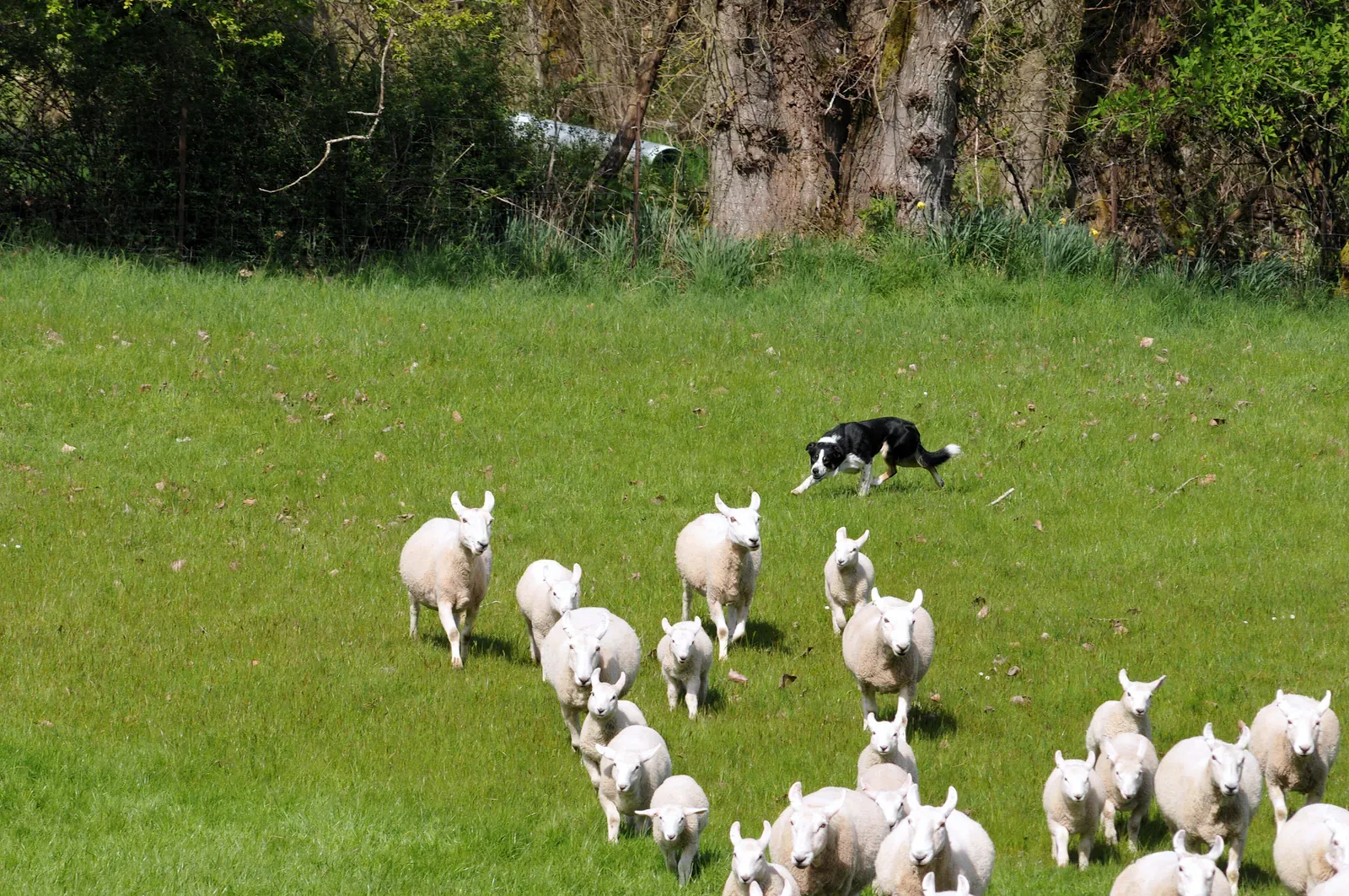
What this means at home:
- Needs. More than 2 hours of activity daily (Kennel Club), including training or a job. Walks alone rarely tire a working-type Border Collie.
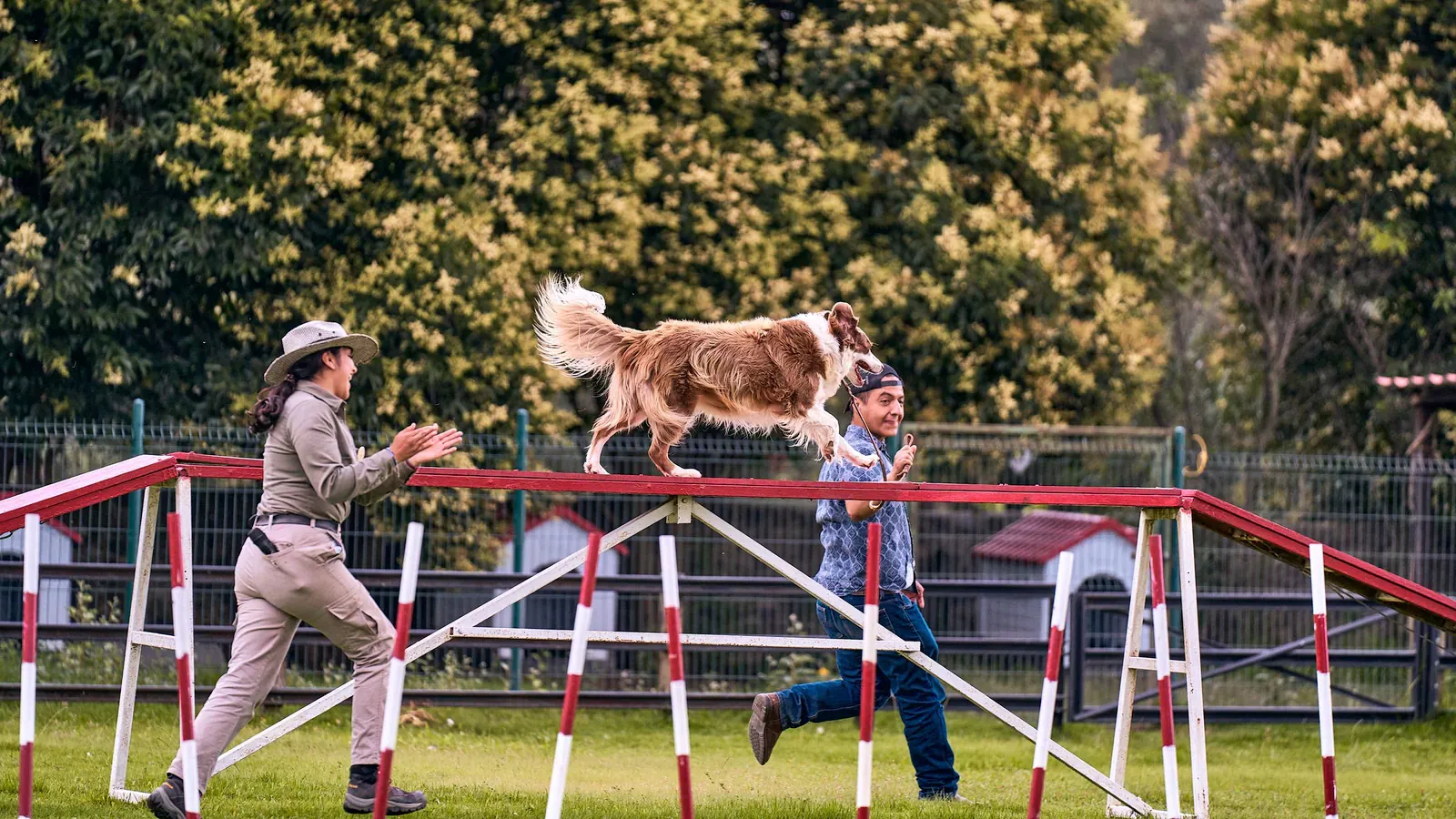
- Sports. Herding trials, agility, obedience, flyball, scent work and disc sports suit the breed.
- Common problems. A large Finnish owner survey of 13,700 dogs (Salonen et al., Scientific Reports, 2020) found that Border Collies, 268 in that sample, had very high rates of compulsive staring and of fly-snapping and light or shadow chasing. Noise sensitivity was the most common anxiety-type trait across all breeds (32 percent). Other reported issues include chasing cars, bicycles and joggers, nipping at heels or children, and being unable to settle. Most of these come from unmet needs, not from disobedience. A dog in a trainer's or vet's care for repeated compulsive behaviour should be seen by a professional behaviourist.
What health problems affect Border Collies?
The breed is among the longer-lived in UK studies. O'Neill and colleagues (The Veterinary Journal, 2013) found the Border Collie among the longest-lived breeds in a sample of 102,609 dogs in England (median across all breeds 12.0 years). Lewis and colleagues (Canine Genetics and Epidemiology, 2018), using Kennel Club survey data on 119 Border Collie deaths, found a median age at death of 11.92 years (all-breed median 10.33 years). In that survey, seizures (5.04 percent of deaths) were higher than expected for the breed.
Median age at death in a Kennel Club survey (Lewis et al. 2018): Border Collies lived about a year and a half longer than the average breed.
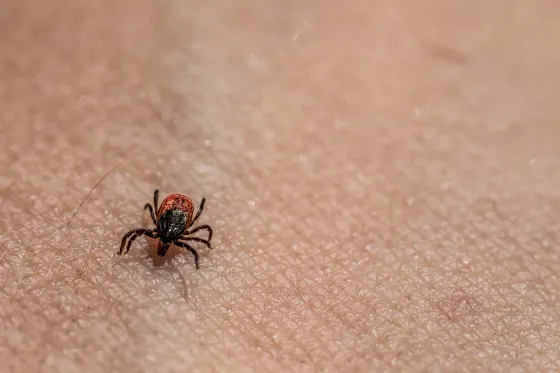
The breed has several documented inherited conditions. Information here is general. Talk to a vet about your own dog. For breeders, the Kennel Club recommends eye, hip, elbow and hearing () screening plus DNA tests for the conditions below.
| Condition | What it is | Evidence |
|---|---|---|
| Collie Eye Anomaly (CEA) | Inherited, recessive, eye development defect. A 7.8 kb deletion in the NHEJ1 gene | Parker et al. 2007. Shared by Collie, Shetland Sheepdog, Border Collie, Australian Shepherd |
| Trapped Neutrophil Syndrome (TNS) | Recessive immune disorder: white cells are trapped in bone marrow. 4 bp deletion in VPS13B | Shearman and Wilton 2011: 12.9% of 2,094 tested Border Collies were |
| Neuronal Ceroid Lipofuscinosis (CL) | Recessive, fatal neurological disease. CLN5 nonsense mutation. Signs typically from about 18 to 24 months | Melville et al. 2005 |
| Imerslund-Grasbeck Syndrome (IGS) | Recessive vitamin B12 malabsorption. CUBN frameshift deletion | Owczarek-Lipska et al. 2013 |
| MDR1 drug sensitivity | ABCB1 4 bp deletion causing severe reactions to some drugs (for example ivermectin) | About 1 percent allele frequency in Border Collies in US and German studies (Mealey and Meurs 2008; Gramer et al. 2011). Far higher in Rough Collies |
| Adult-onset hearing loss | Progressive, usually begins in early adulthood. Dominant-type pattern. Three genetic variants associated | Yokoyama et al. 2012, PLoS Genetics |
| Epilepsy | Idiopathic epilepsy often severe, with cluster seizures and poor drug response. Strong | Hulsmeyer et al. 2010 |
| Border Collie Collapse | Episodes of incoordination and altered mental state after 5 to 15 minutes of intense exercise. Cause under study | Taylor et al. 2016 (owner survey and video study) |
| Hip dysplasia | Joint malformation. UK BVA/Kennel Club scheme 5-year breed median score 10 (mean 11) from 3,827 dogs. Lower is better | BVA/KC hip scheme statistics, 2025 edition |
Most of the recessive conditions can be avoided by DNA-testing both parents. A healthy-looking dog can still carry a gene.
How smart is a Border Collie?
Stanley Coren's 1994 book The Intelligence of Dogs ranked the Border Collie first for working and obedience intelligence. The ranking came from a survey of 199 North American obedience judges, so it measures trainability and the ability to learn commands quickly, not intelligence in general.
Two controlled studies of individual Border Collies went further:
- Rico (2004). Kaminski, Call and Fischer (Science) tested Rico, a Border Collie in Germany whose owners reported he knew the names of over 200 items. He retrieved an average of 37 of 40 named items correctly. When asked for an unfamiliar name, he picked the new object, working out the answer by exclusion, a process called "". He still chose the right items four weeks later. The authors concluded that fast mapping does not need a human-only language ability.
- Chaser (2011). Pilley and Reid (Behavioural Processes) reported that Chaser, owned by psychologist John Pilley in South Carolina, learned proper-noun names for 1,022 objects over three years of training and kept them. She also learned three common nouns (categories) and used exclusion to learn new names. Pilley reported further work on her understanding of short sentences in 2013. The studies involved one dog each, so they show what a Border Collie can do, not what every one does.
Chaser, 2011: proper names learned over three years. One dot per word, so the two areas compare.
Rico, 2004: items his owners said he knew. He fetched 37 of 40 in tests.
Is a Border Collie right for you?
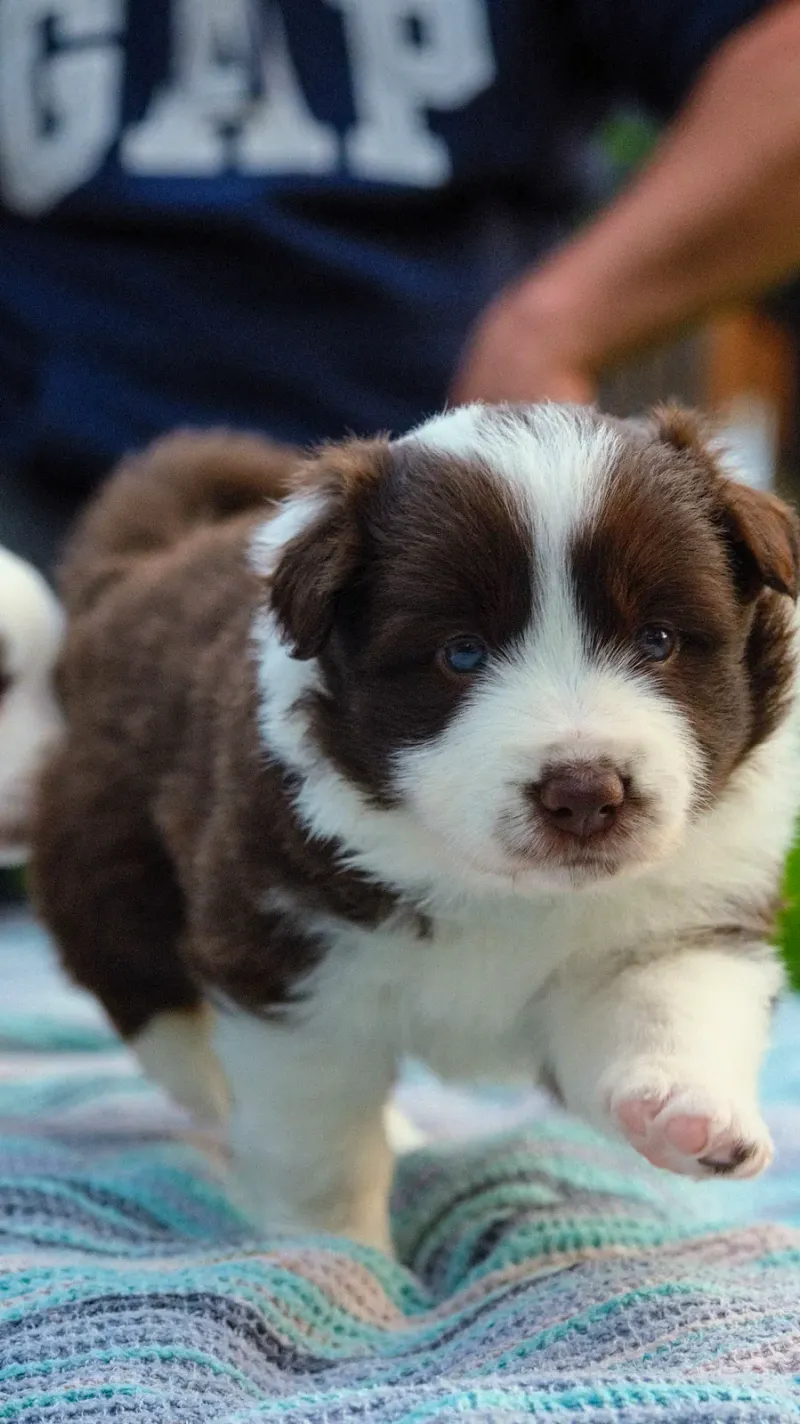
It suits you if you are active, enjoy training, have time for over two hours of dog activity most days, can offer a job (herding, agility, scent work), and want a dog that works closely with its person. Small houses can work if the dog's needs are met (Kennel Club), but a garden helps.
It does not suit you if you are away most of the day, want a low-effort pet, have a very quiet or very chaotic home, or cannot keep up with training and exercise. A bored Border Collie often invents its own work, which can mean chewing, chasing or compulsive behaviours. Homes with young children need supervision, because the dog may try to herd them.
Notable facts
- Every purebred ISDS working Border Collie is said to descend from one dog, Old Hemp, who died in 1901.
- Wiston Cap, born in 1963, appears on the ISDS badge and features many times in modern pedigrees.
- Chaser the Border Collie (2004 to 2019) knew 1,022 toys by name.
- A dog called Sam, at the Bala trial of 1873, is the subject of what one history calls the first clear written account of the eye.
- The AKC kept the Border Collie in its Miscellaneous class for decades, so the breed could not compete in AKC herding trials when the programme began in 1989.
- The New Zealand Heading Dog, a Border Collie descendant, is the fourth most common dog breed in New Zealand.
Frequently asked questions
Are Border Collies good family dogs?
They can be, in active families that can meet their exercise and mental needs and supervise them with children. They are not a good match for every family.
How much exercise does a Border Collie need?
The Kennel Club lists more than 2 hours daily, with training and problem-solving included.
How long do Border Collies live?
Project data gives 12 to 15 years. UK studies give medians near 12 years.
What is the eye?
The fixed stare a Border Collie uses to control sheep, inherited from the predatory sequence of wolves and shaped by breeding.
Which breed is the Border Collie related to?
Its closest DNA relatives in the 2017 Parker study are the Bearded Collie, Australian Kelpie and Rough Collie. The Smooth and Rough Collie come from the same working stock.
Do Border Collies shed?
Yes, regularly, in both coat types.
Read next
Sources (27)
- Wikipedia, "Old Hemp", "Border Collie", "Sheepdog trial", "Chaser (dog)", "Rico (dog)", "Cumberland Sheepdog", "Welsh Sheepdog", "Koolie" and "New Zealand Heading Dog" (used for dates and summaries, checked against the other sources listed).
- American Kennel Club, Border Collie breed page; and AKC/ABCA recognition history.
- BVA and The Kennel Club, Hip Dysplasia Scheme breed-specific statistics, 2025 edition.
- Clark L.A. et al., "Retrotransposon insertion in SILV is responsible for merle patterning of the domestic dog", Proceedings of the National Academy of Sciences, 2006.
- Coren S., The Intelligence of Dogs, 1994.
- Fédération Cynologique Internationale, Border Collie, standard no. 297.
- Gramer I. et al., study of ABCB1-1Delta (MDR1) allele frequencies in German dogs, 2011.
- Hancock D., "The British Working Sheepdog", archive article, David Hancock on Dogs.
- Hulsmeyer V. et al., "Epilepsy in Border Collies: clinical manifestation, outcome, and mode of inheritance", Journal of Veterinary Internal Medicine, 2010.
- International Sheep Dog Society, history and society information.
- Kaminski J., Call J., Fischer J., "Word learning in a domestic dog: evidence for fast mapping", Science, 2004.
- Lewis T.W. et al., "Longevity and mortality in Kennel Club registered dog breeds in the UK in 2014", Canine Genetics and Epidemiology, 2018.
- Mealey K.L., Meurs K.M., breed prevalence of the ABCB1-1Delta mutation, Journal of the American Veterinary Medical Association, 2008.
- Melville S.A. et al., "A mutation in canine CLN5 causes neuronal ceroid lipofuscinosis in Border collie dogs", Genomics, 2005.
- O'Neill D.G. et al., "Longevity and mortality of owned dogs in England", The Veterinary Journal, 2013.
- Online Etymology Dictionary, "collie".
- Owczarek-Lipska M. et al., "A frameshift mutation in the cubilin gene (CUBN) in Border Collies with Imerslund-Grasbeck syndrome", PLoS ONE, 2013.
- Parker H.G. et al., "Genomic analyses reveal the influence of geographic origin, migration, and hybridization on modern dog breed development", Cell Reports, 2017.
- Parker H.G. et al., "Breed relationships facilitate fine-mapping studies: a 7.8-kb deletion cosegregates with Collie eye anomaly across multiple dog breeds", Genome Research, 2007.
- Pilley J.W., Reid A.K., "Border collie comprehends object names as verbal referents", Behavioural Processes, 2011.
- Salonen M. et al., "Prevalence, comorbidity, and breed differences in canine anxiety in 13,700 Finnish pet dogs", Scientific Reports, 2020.
- Shearman J.R., Wilton A.N., "A canine model of Cohen syndrome: trapped neutrophil syndrome", BMC Genomics, 2011.
- Taylor S. et al., "Border Collie collapse: owner survey results and veterinary description of videotaped episodes", Journal of the American Animal Hospital Association, 2016.
- The Kennel Club (UK), Border Collie breed standard and breed information pages.
- Welsh Sheepdog Society, statement on the Welsh Sheepdog and the Border Collie.
- Yokoyama J.S. et al., "Variation in genes related to cochlear biology is strongly associated with adult onset deafness in Border Collies", PLoS Genetics, 2012.
- Project knowledge base, breed records and Parker 2017 shared-haplotype table (this site).