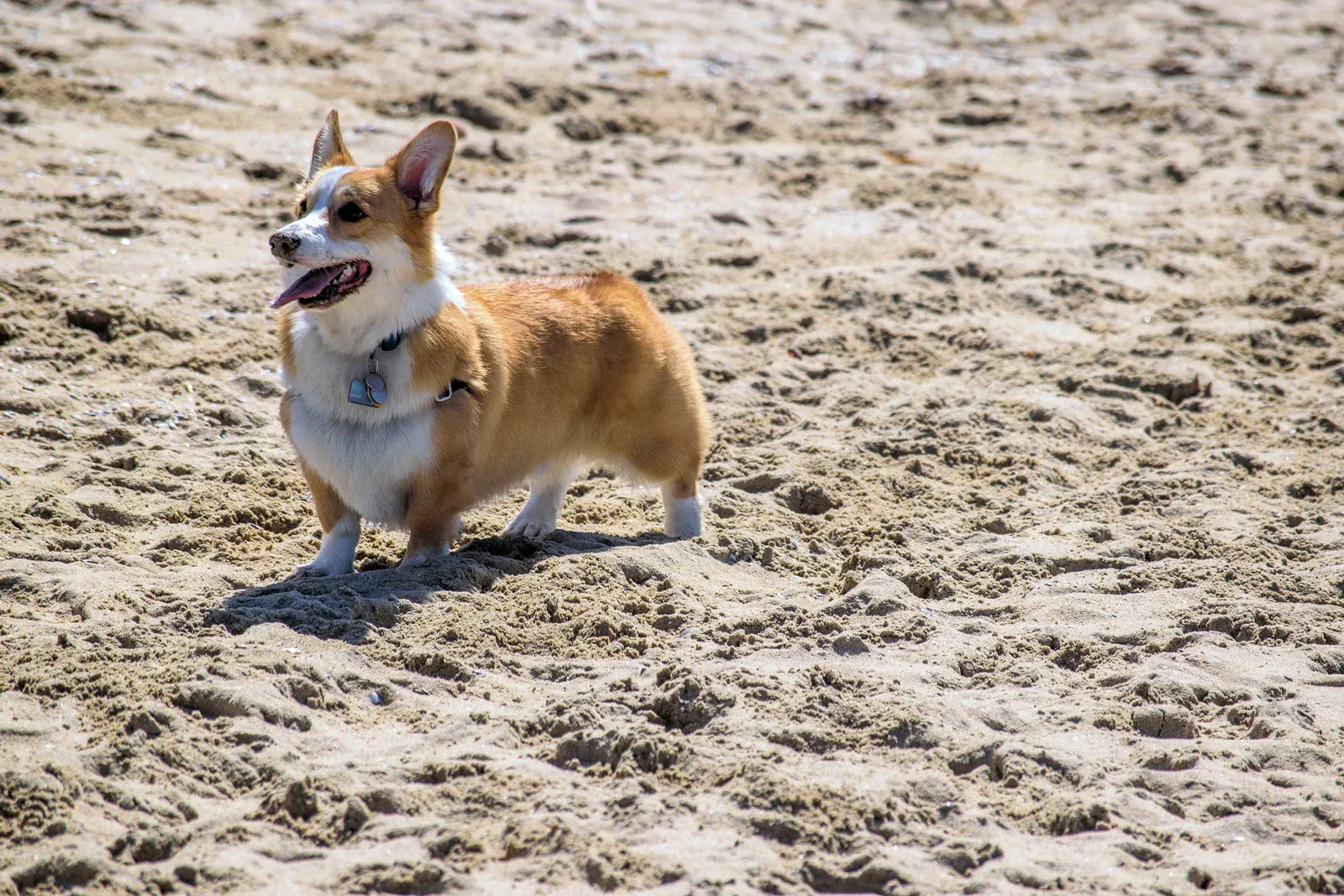
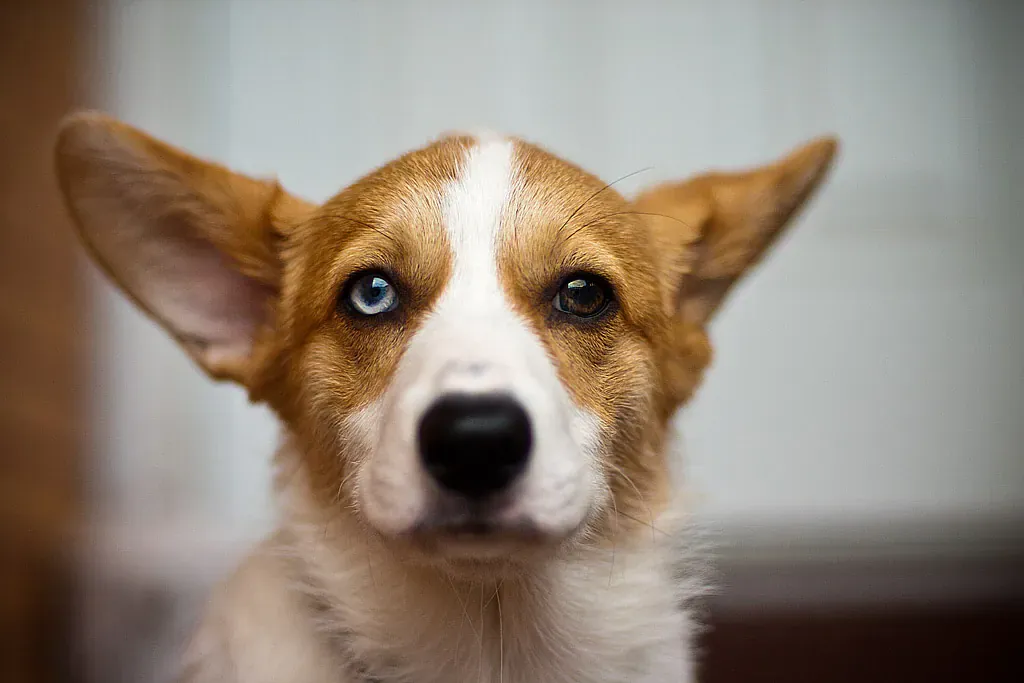
It stands 25 to 30 cm tall, weighs about 10 to 12 kg and typically lives 12 to 14 years. The breed shared a show ring with the Cardigan Welsh Corgi until the UK Kennel Club recognised the two separately in 1934, and it became world-famous as the favourite dog of Queen Elizabeth II. It suits active owners who enjoy training and can cope with a loud, busy, heavy-shedding dog, and who will keep its weight and its back in good order.
Pembroke Welsh Corgi quick facts
 Related breedAfghan Hound1000 to 1800 · Afghanistan
- Closest DNA relatives
- Cardigan Welsh Corgi, Rough Collie, Shetland Sheepdog
- Country of origin
- United Kingdom (Pembrokeshire, Wales, Great Britain)
- Period of development
- About 1100 to 1934 (project data, medium confidence); recognised as a separate breed in 1934
- Type
- Herding dog (FCI Group 1, Sheepdogs and Cattledogs, standard no. 39; AKC Herding Group; UK Kennel Club Pastoral Group)
- Height
- 25 to 30 cm at the shoulder (UK Kennel Club and AKC)
- Weight
- Dogs about 10 to 12 kg, bitches about 9 to 11 kg
- Coat
- Medium length, straight, weatherproof double coat
- Colours
- Red, , fawn, black and tan, with or without white markings
- Tail
- Naturally short in some dogs; docked in countries where docking is allowed
- Life span
- Project data: 12 to 14 years. A 2024 UK study reports 13.2 years
- Other names
- Pembroke Corgi, Corgi
- DNA family
- "UK Rural" (Parker et al. 2017)
- Descendant breed
- Lancashire Heeler (project data)
Name and origin
 Related breedCane Corso1000 to 1996 · Italy
What "corgi" means
"Pembroke" is the easy half: the breed is named after Pembrokeshire, the Welsh county where it was developed. "Corgi" is Welsh, and the meaning is debated:
- Dwarf dog theory. From Welsh cor, "dwarf", plus ci, "dog" (softened to gi in speech). This is the most common explanation and the one recorded in our knowledge base.
- Cur dog theory. Some sources read cor as "cur", a rough working dog, giving "cur dog".
- Herding theory. A less common proposal links cor to a root meaning "to watch" or "to gather", which would make a corgi a herding or watching dog rather than a small one.
No theory is proven, and several may be partly right.
Where the breed came from
Two stories are told about the Pembroke, and the evidence for both is thin.
- Flemish settler theory. Flemish weavers and farmers settled in Pembrokeshire after the Norman conquest of Wales, in the early 1100s. Their spitz-type dogs are said to have been crossed with local cattle dogs. This is the story most often told for the Pembroke specifically, and it is where the project's starting date of about 1100 comes from.
- Viking and Vallhund theory. Swedish Vallhunds, short-legged Scandinavian herding dogs, are thought to have reached Wales with Viking settlers and played a part in the Welsh Corgi. The project data lists the Swedish Vallhund as a possible ancestor of the Pembroke, with low confidence.
Both are traditional accounts, not documented history. What is certain is that short-legged cattle-driving dogs were working in Wales long before anyone wrote down a breed standard.
History
 Same eraIcelandic Sheepdog874 CE to 1969 · Iceland
Welsh cattle heelers
Welsh farmers used low dogs to move cattle along lanes and to common grazing land. A heeler works by nipping at the heels and then dropping out of range. A dog 25 to 30 cm tall can duck under a kicking hoof, and the corgi's speed and nerve do the rest. The dogs also served as farm watchdogs and general helpers. That mix of herding drive, loud alertness and small size is still the heart of the breed's character.
One breed becomes two
In the 1920s the corgis of Wales began to be shown. The Welsh Corgi Club was founded in December 1925 in Carmarthen, and Cardigan fans formed their own club a year later. Pembrokes and Cardigans were judged together as "Welsh Corgis" for years, even though breeders already saw them as different. In 1934 the UK Kennel Club recognised each as its own breed. The first registers listed about 240 Pembrokes and 59 Cardigans (a figure from secondary histories that we have not checked against Kennel Club records).
The two breeds are close relatives. Our DNA data shows the Cardigan sharing more genome with the Pembroke than any other breed (73.9 Mb in Parker et al. 2017). Typical differences: the Pembroke is the lighter, foxier dog with upright ears and, historically, a short or docked tail; the Cardigan is larger with a long tail.
The Queen's corgis
Corgis were a royal habit before Elizabeth II took the throne. King George VI bought the family's first corgi, Dookie (Rozavel Golden Eagle), from a kennel in 1933. In 1944 Princess Elizabeth received Susan (registered as Hickathrift Pippa) for her eighteenth birthday. Susan went with her on her 1947 honeymoon and founded a line of Pembrokes that the Kennel Club describes as running for 15 generations. Over her reign the Queen owned well over 30 corgis, usually several at a time. This royal attention made the Pembroke one of the best-known dog breeds in the world.
Decline and revival in Britain
Fame did not protect the breed at home. In 2014 the Pembroke was added to the Kennel Club's "Vulnerable Native Breeds" list after annual UK puppy registrations dropped below 300. Breed histories link the drop partly to the 2007 ban on tail docking and to a shortage of breeders. Registrations reached 456 by the end of 2017, with renewed interest credited to the television series The Crown.
Tails: natural bobtails and docking
 Related breedLhasa Apso800 CE to 1934 · China
Many Pembrokes are born with a short tail or none at all. The "natural bobtail" in some breeds is linked to a mutation (C189G) in the T gene, which controls tail development; it was first described in dogs by Haworth and colleagues in 2001. Dogs carrying the variant can be born with tails from full length to nearly none, so breeders cannot always predict what a litter will look like.
Historically, most Pembrokes were docked a few days after birth, because the show standards asked for a very short tail. Docking was never needed for the dog to herd. Rules now vary by country:
- England, Wales and Scotland. Docking for appearance has been illegal since 2007. The working-dog exemptions cover spaniels, terriers and gundog breeds, not corgis, so UK Pembrokes now mostly have full tails or natural short tails.
- Many European countries. Docking is banned or restricted, and the FCI standard accepts natural tails.
- United States. Docking remains legal and common, and the AKC standard describes the docked tail as the show ideal.
- Show rules. The UK Kennel Club and the FCI standards allow dogs with natural tails to be shown, and tail length is not a reason to avoid a UK-bred dog.
Details of the standards, including the permitted length of a natural tail, are in the next sections.
Relatives in the dog family tree
 Same familyPekingese700 CE to 1860 · China
The UK Rural family
In the 2017 Parker study (Cell Reports), which analysed 1,346 dogs from 161 breeds and sorted them into 23 supported clades, the Pembroke Welsh Corgi falls in the UK Rural family, along with British herding breeds, collie types and sighthounds. The support for this placement is strong. The study also counted shared , long stretches of identical DNA inherited from common ancestors. The more (Mb) two breeds share, the stronger the sign of crossbreeding or shared founders. It cannot show which way the genes flowed.
Source: Parker et al. 2017, as recorded in this site's breed database.
The result matches the history. The Cardigan is far ahead, as expected for the other half of the old "Welsh Corgi". The next three, Rough Collie, Shetland Sheepdog and Bearded Collie, show that corgi blood and collie blood overlap, which fits the shared British herding stock. The Wire Fox Terrier's presence at 12.8 Mb is a surprise, and the study alone cannot explain it.
Ancestors, siblings and descendants
- Possible ancestor: Swedish Vallhund. Low-confidence link from the Viking theory above.
- Sister breed: Cardigan Welsh Corgi. Shown together until 1934.
- Descendant: Lancashire Heeler. A small British cattle heeler. Our data lists the Pembroke among its ancestors.
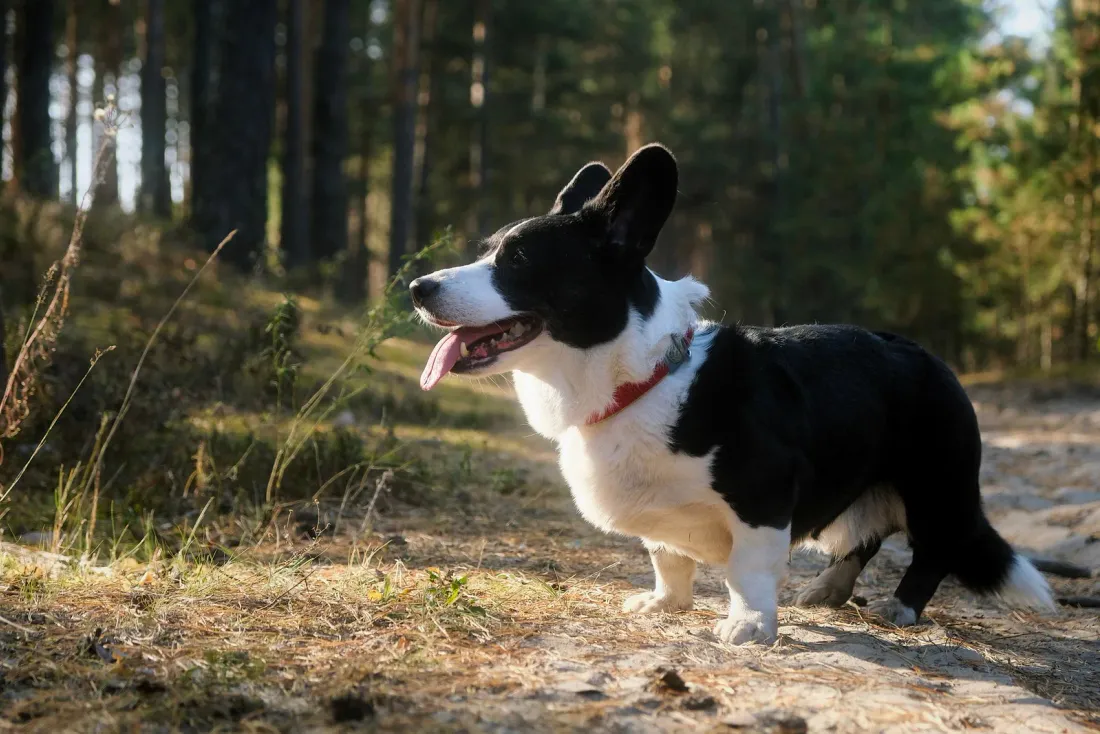
Sister breeds · 1
- Cardigan Welsh Corgi1200 to 1934
Descend from it · 1
- Lancashire HeelerUnited Kingdom
- Cardigan Welsh Corgi73.9 Mb 3.1%
- Rough Collie44.1 Mb 1.8%
- Shetland Sheepdog31.3 Mb 1.3%
- Bearded Collie23.3 Mb 1.0%
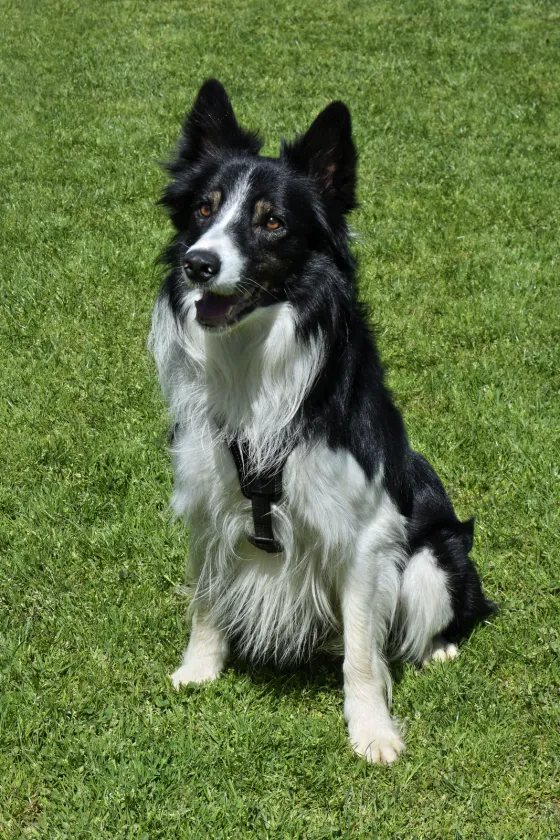
- Border Collie19.1 Mb 0.8%
- Australian Kelpie18.2 Mb 0.8%
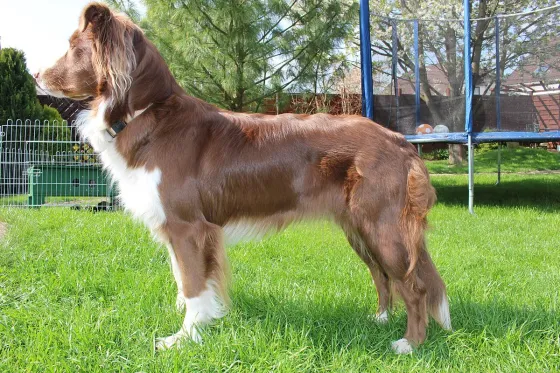
- Australian Shepherd13.1 Mb 0.5%
- Wire Fox Terrier12.8 Mb 0.5%
- Old English Sheepdog12.4 Mb 0.5%
Source: Parker et al. 2017. Percent of the whole genome.
| Breedwith Pembroke Welsh Corgi | Shared DNA with Pembroke Welsh Corgi (Mb)Shared DNA (Mb) |
|---|---|
| Cardigan Welsh Corgi | 73.9 |
| Rough Collie | 44.1 |
| Shetland Sheepdog | 31.3 |
| Bearded Collie | 23.3 |
| Border Collie | 19.1 |
| Australian Kelpie | 18.2 |
| Australian Shepherd | 13.1 |
| Wire Fox Terrier | 12.8 |
| Old English Sheepdog | 12.4 |
The breed standard
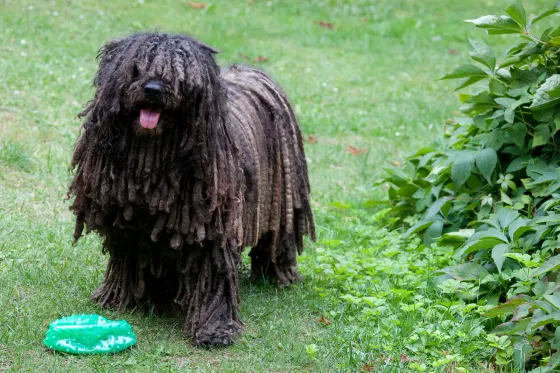 Looks relatedPuli900 CE to 1924 · Hungary
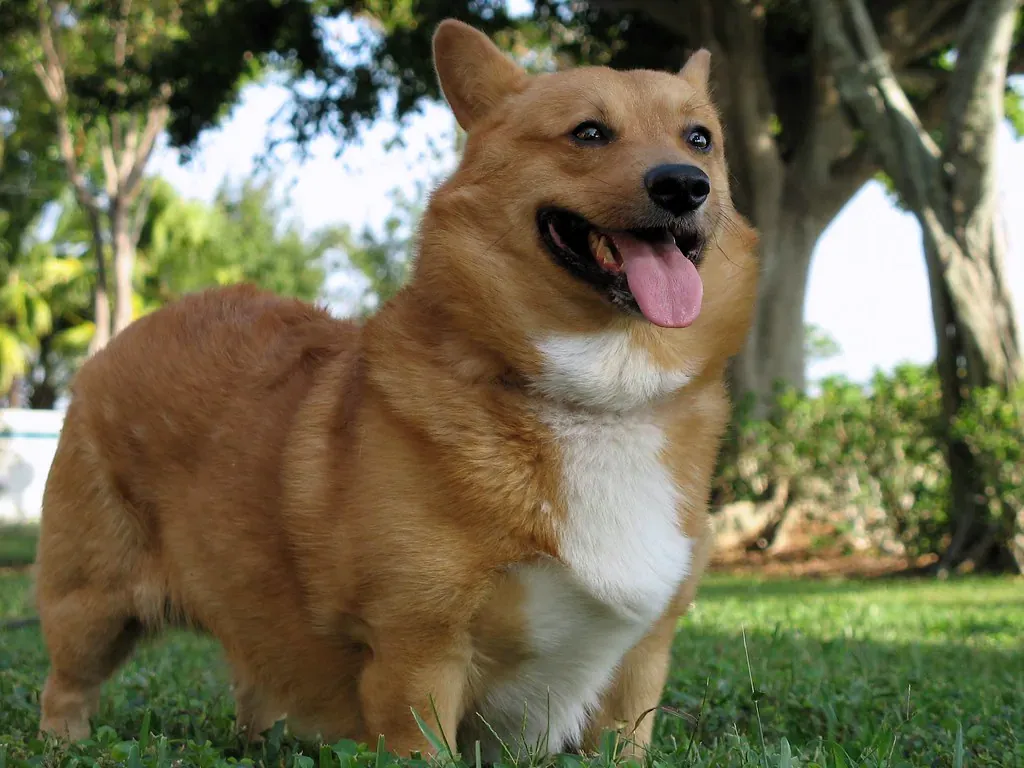
A breed standard is the written ideal that a kennel club judges dogs against. The three main standards for the Pembroke agree on the big picture: a low, strong, sturdy dog with a foxy head, upright ears and a medium-length straight double coat. They differ on small details.
| Trait | FCI (no. 39) | AKC | UK Kennel Club |
|---|---|---|---|
| Height | About 25 to 30 cm | 25 to 30 cm (10 to 12 in) | About 25 to 30 cm |
| Weight | Dogs about 10 to 12 kg | Dogs about 11 to 12 kg (24 to 27 lb); bitches about 10 to 11 kg (22 to 25 lb) | Dogs 10 to 12 kg; bitches 9 to 11 kg |
| Body | Low set, strong, sturdily built, alert and active | Low, strong, sturdily built, with substance and stamina | Low set, strong, sturdily built |
| Ears | Erect, medium size | Erect, medium size, slightly pointed | Erect, medium size |
| Coat | Medium length, straight, dense double coat | Medium length, thick double coat, weatherproof | Medium length, straight, dense undercoat |
| Colours | Red, sable, fawn, black and tan, with or without white markings | Same list; white on legs, chest and neck allowed | Self colours in the same list, with white on legs, chest and neck |
| Tail | Short, natural or docked, where docking is allowed | Docked as short as possible, where permitted | Natural tail accepted; docking not required |
Standards also note a "fairy saddle", a patch of rougher hair across the back that is not a fault. Long-coated "fluffy" corgis do not meet the written coat description, so they are not shown, but the coat itself is not a health issue.
Weights are lower in the standards than the weights many pet Pembrokes reach. Overweight dogs are common, and with a long back the extra weight is a real concern (see Health below).
Temperament
 Related breedSiberian Husky1000 to 1930 · Russia
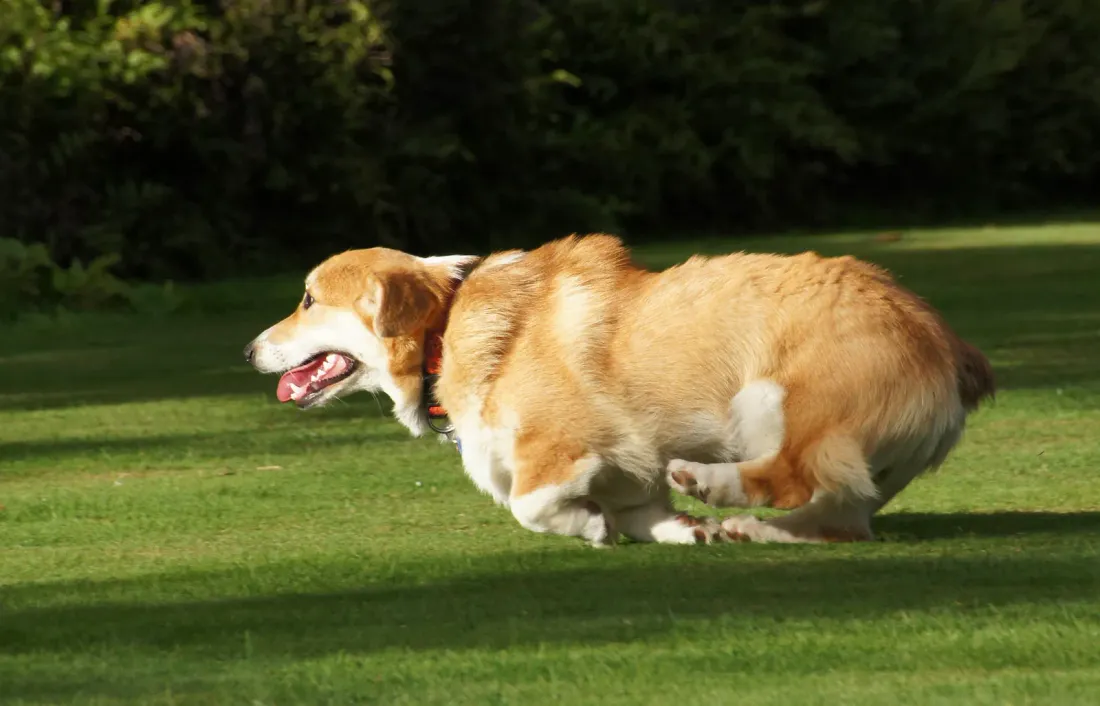
The standards describe a bold, friendly, alert dog that is neither shy nor aggressive. In daily life that usually means a clever, busy and talkative companion, devoted to its people and sure of itself. Expect:
- Intelligence and willingness. Pembrokes learn quickly and often excel in obedience, agility, herding trials and rally. They also learn bad habits as fast as good ones.
- Barking. A heeler's alert is a bark. Many Pembrokes bark at passers-by, visitors, delivery vans and anything else that moves.
- Heel nipping. Some will nip at the heels of children, joggers or other pets, the same movement their ancestors used on cattle. Early training and redirection to a game or toy usually manage it.
- Strong opinions. The breed is confident and sometimes stubborn. Short, rewarding training sessions work better than repetition.
- Food drive. A good appetite is typical of the breed and a gift for training, but it makes weight control a daily job.
Temperament varies between lines and between individuals. Ask a breeder about both parents, not only their show wins.
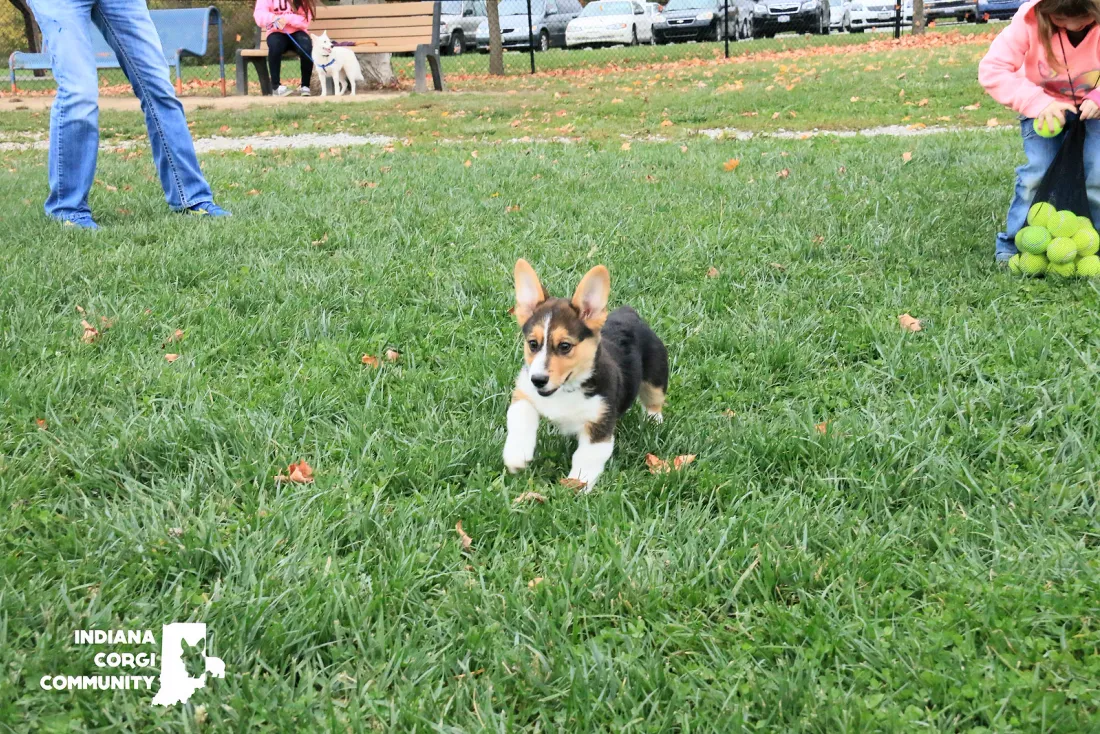
Health
Most Pembroke Welsh Corgis live active, healthy lives into their teens. Studies of UK dogs put their life expectancy slightly above the average for pedigree dogs: a 2024 UK study reports 13.2 years for the Pembroke against 12.7 years for purebred dogs overall. The conditions below are the ones breeders screen for and owners can watch for. Most are manageable, and several can be reduced by DNA tests and sensible weight control. This is general information; your own vet knows your dog.
| Condition | What it is | How common | What helps |
|---|---|---|---|
| (DM) | A slow, age-related wearing of the spinal cord nerves that gradually weakens the back legs, usually from about 8 to 11 years. Linked to the SOD1 c.118G>A variant: all confirmed cases in the breed carried two copies, although some dogs with two copies stay healthy to 15 | Japanese breeding study (Ukawa et al., 2023, 5,512 dogs): dogs with two copies of the variant fell from 14.5 percent (about 1 in 7) in 2019 to 2.9 percent (about 1 in 34) in 2022 after DNA testing. An Italian population study found the variant on more than half of Pembroke chromosomes tested (55.49 percent), so a carrier-only test is not enough | SOD1 DNA test on both parents; breeders choosing mates so that puppies do not get two copies; physiotherapy and mobility support if signs appear |
| Intervertebral disc disease (IVDD) | The cushioning discs between back bones can bulge or burst and press on the spinal cord, causing pain or wobbling. Corgis are a "chondrodystrophic" short-legged breed, linked to an extra copy of the FGF4 gene | Seen more often than in most breeds (Cornell Riney Canine Health Center). We found no named study with a breed prevalence we could verify, so no number is given here | Keep weight lean; stairs and jumping limits; use a ramp for the sofa or car; early vet check for back pain; DNA tests for the FGF4 variants exist but cannot tell how bad an individual dog's back will be |
| A loose or misshapen hip joint that can lead to arthritis | Reported in the breed; no breed figure found | Hip scoring of breeding dogs (BVA/Kennel Club scheme in the UK, OFA or PennHIP in the US); lean body weight | |
| Obesity | Extra body fat that strains the back and joints | Common in pet Pembrokes; the breed has a hearty appetite | Weigh food, count treats, vet weight checks |
| Von Willebrand disease | An inherited bleeding disorder from low clotting protein | Known in the breed; no breed figure found | DNA test on breeding dogs; tell your vet before surgery |
| Eye conditions (including progressive retinal atrophy) | Inherited eye problems that can reduce vision | Occasional | Annual eye tests for breeding dogs (BVA/KC/ISDS eye scheme in the UK); DNA tests where available |
Two points on DM. First, it appears late in life, so many dogs are already past breeding age when signs show, which is why testing the parents is the way to avoid it. Second, Ukawa and colleagues found that breeders reduced the variant in a few years without raising , which is encouraging news for a breed with a small gene pool.
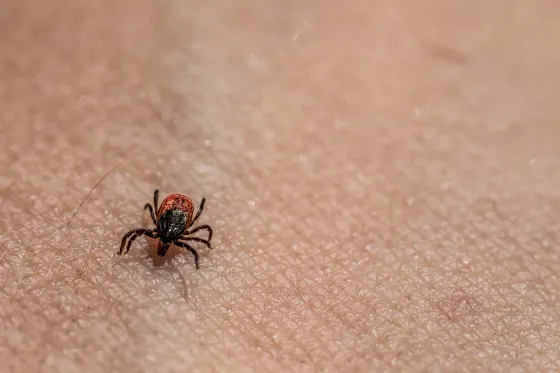
Living with a Pembroke Welsh Corgi
Daily-reality ratings
| Area | Rating | Why |
|---|---|---|
| Exercise per day | Medium | About an hour of walking and play suits most adults. Check current Kennel Club guidance for your dog's age |
| Training needs | Medium to high | Quick learner, but bold and bossy; needs steady, reward-based training |
| Grooming time | Medium | Brushing a few times a week, daily in shedding seasons |
| Shedding | High | Dense double coat sheds year round, heavily in spring and autumn |
| Barking | High | Herding alert. Training can reduce it, not remove it |
| Time alone | Fair | Bonds closely; many do not like long absences. Varies by dog |
| Children | Good with supervision | Friendly, but heel nipping and bossiness need management |
| Other dogs | Good | Usually fine with early socialisation. Some bossiness |
| Cats and small pets | Fair | Chasing and herding instincts vary |
| Flat living | Fair | Small, but barking and daily exercise matter for neighbours and stairs hurt the back |
| Heat tolerance | Fair | Thick double coat; avoid exercise in hot weather |
| Cold tolerance | Good | Weatherproof coat made for wet Welsh pastures |
| First-time owner fit | Fair | Easy to love, but needs training, weight discipline and back care from day one |
A great fit if
- You enjoy training and are happy to teach a clever, strong-willed dog.
- You can keep a close eye on food and weight for the dog's whole life.
- You live somewhere that tolerates barking, or you will put in work to reduce it.
- You do not mind hair on your clothes and floor.
Think twice if
- You want a quiet, low-maintenance dog.
- You have steep stairs everywhere and cannot add ramps or limit jumping.
- You are away most of the day and the dog would be alone.
- You expect a dog that leaves your toddler's ankles alone without any training.
Before you get one
- Health tests to ask a breeder for: SOD1 (DM) DNA test results for both parents, hip scores, eye test certificates, and a von Willebrand DNA result. Ask whether the parents have had back problems.
- Puppy or adult: breed rescues exist in the UK and elsewhere and often have adult corgis whose temperament is already known.
- First year: socialisation, toilet training, recall, learning to walk calmly past people, and keeping the puppy lean and off high jumps while joints grow.
Similar breeds to consider
- Cardigan Welsh Corgi. The same working roots in a larger, long-tailed dog.
- Swedish Vallhund. Another low heeler, with a similar build and job.
- Lancashire Heeler. A small British heeler, lighter than the corgi.
- Shetland Sheepdog. A small herding dog that is more reserved but still intelligent and trainable.
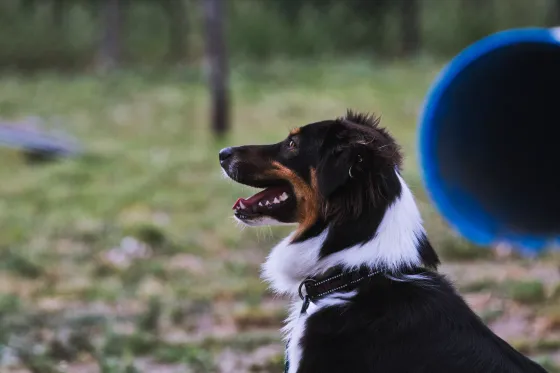 Herding dog behaviourBorder Collie behaviour problems and how to train themBorder Collie behaviour and training: why they nip, chase, fixate and fear noise, what to do about each, and a weekly plan for owners.
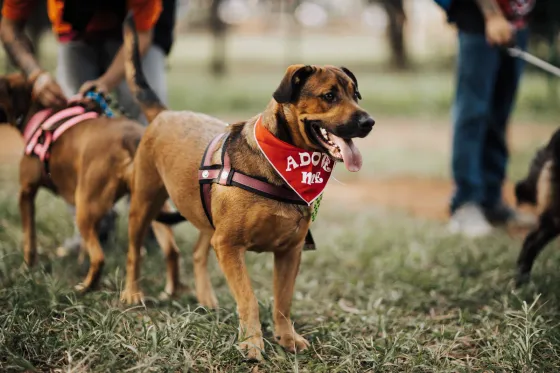 Thinking of adopting?How to adopt a dog from a shelter or rescueHow to adopt a dog from a shelter or rescue: the process, costs in general terms, choosing a dog, the first weeks and what if it does not work out.
Pembroke Welsh Corgi fun facts
- The Queen's first Pembroke, Susan, was an eighteenth birthday present in 1944 and founded a line that ran 15 generations.
- The Pembroke was listed as a Vulnerable Native Breed by the UK Kennel Club in 2014, after registrations fell below 300 in a year.
- The "fairy saddle" is a patch of rougher hair across the back that the standards accept as a normal marking.
- The first Kennel Club registers after the 1934 split held about 240 Pembrokes and 59 Cardigans.
Frequently asked questions
What is the difference between a Pembroke and a Cardigan Welsh Corgi?
The Cardigan is larger and heavier, has a long tail, and comes in more colours including . The Pembroke is lighter with a foxier head and, in many countries, a short or docked tail. DNA studies show the two share more genome than either shares with any other breed.
Are Pembroke Welsh Corgis good family dogs?
They can be, particularly in families who train them and supervise play with young children. Heel nipping and barking need management.
How long do Pembroke Welsh Corgis live?
Project data gives 12 to 14 years; a 2024 UK study reports 13.2 years.
Do Pembroke Welsh Corgis have tails?
Some are born with short or no tails (natural bobtails). Others have full tails. Where docking is banned, as in the UK since 2007, most Pembrokes keep a natural tail.
Do Pembroke Welsh Corgis shed a lot?
Yes, all year round and heavily in spring and autumn.
How big is a Pembroke Welsh Corgi?
25 to 30 cm at the shoulder and about 10 to 12 kg for a dog in standard condition.
Why does a corgi have back problems?
The long body on short legs puts strain on the spine, and the breed carries the chondrodystrophy gene change linked to disc disease. Keeping weight lean helps most.
Where does the name corgi come from?
Probably from Welsh cor, "dwarf", and ci, "dog", though other readings exist.
Read next
Sources (13)
- American Kennel Club, Pembroke Welsh Corgi breed standard and breed information.
- Cornell University, Riney Canine Health Center, "Chondrodystrophy and intervertebral disc disease (CDDY/IVDD)".
- Fédération Cynologique Internationale, Welsh Corgi (Pembroke), standard no. 39.
- Haworth K. et al., "Canine homolog of the T-box transcription factor T; failure of the protein to bind to its DNA target leads to a short tail phenotype", Mammalian Genome, 2001.
- The Kennel Club (UK), Welsh Corgi (Pembroke) breed standard, breed information, and "A history of the Queen's corgis".
- Parker H.G. et al., "Genomic analyses reveal the influence of geographic origin, migration, and hybridization on modern dog breed development", Cell Reports, 2017.
- Ukawa H. et al., study of SOD1 c.118G>A frequency in Japanese Pembroke Welsh Corgis, Genome Biology and Evolution, 2023.
- Zeng R. et al., "Breed distribution of SOD1 alleles previously associated with canine degenerative myelopathy", Journal of Veterinary Internal Medicine, 2014.
- Italian canine population study of SOD1 genotypic and allelic frequencies (2024, as indexed in PubMed Central).
- UK life expectancy study of pedigree dogs, 2024 (13.2 years for the Pembroke, as cited in Wikipedia).
- Wikipedia, "Pembroke Welsh Corgi", "Welsh Corgi", "Cardigan Welsh Corgi" and "Natural bobtail" (used for dates and summaries, checked against the other sources listed).
- Animal Welfare Act 2006 (England and Wales) and Scottish equivalent, on tail docking.
- Project knowledge base, breed records and Parker 2017 shared-haplotype table (this site).