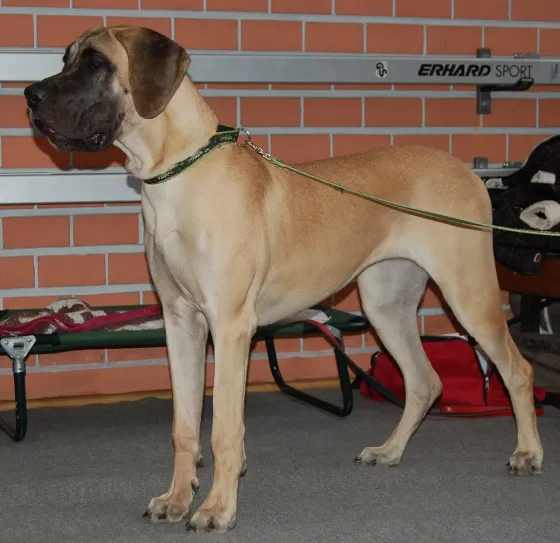
 Related breedGreat Dane1600 to 1880 · Germany
St. Bernard at a glance
- Origin
- Valais, Switzerland
- Appeared
- 1650 to 1884 (likely)
- Family
- Alpine
- Type
- Mastiff / molossoid
- Size
- Giant
- Life span
- 8 to 10 years
- Recognised by
- FCI, AKC, KC
- Status
- Living
- FCI standard
- No. 61
- DNA clade
- Alpine (Parker 2017)
The name. After the Great St Bernard Pass and its hospice, named for Bernard of Menthon.
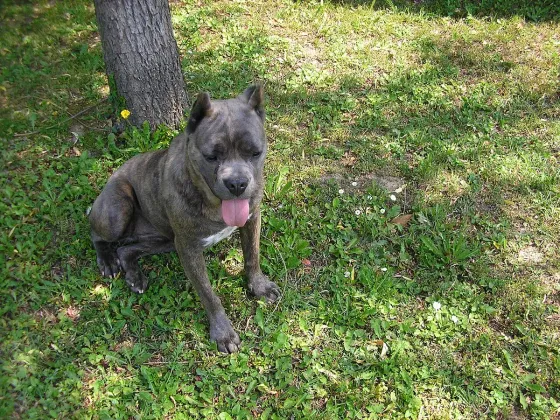
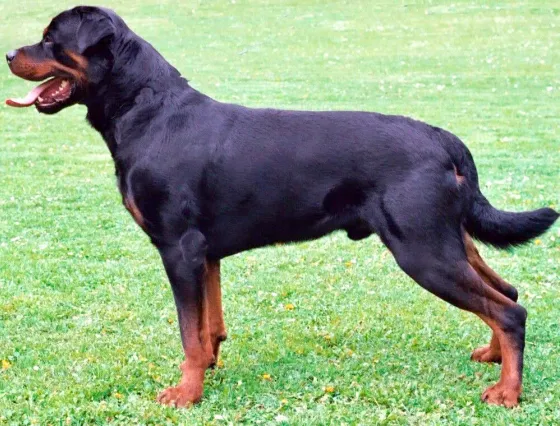
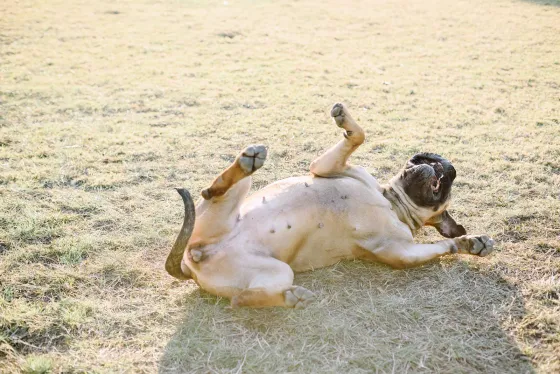 Same familyBullmastiff1860 to 1924 · United Kingdom
Family and relatives
Descends from
Gave rise to
Leonberger, Mackenzie River Husky, Tosa, Chinook, Moscow Watchdog
Same family: Alpine
Bernese Mountain Dog, Greater Swiss Mountain Dog, Appenzeller Sennenhund, Entlebucher Mountain Dog, Alpine Mastiff
Same time, same continent
Affenpinscher, Bedlington Terrier, Bernese Mountain Dog, Border Terrier, Clumber Spaniel, Dachshund
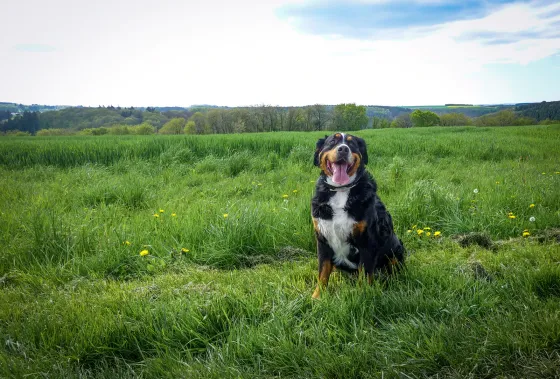

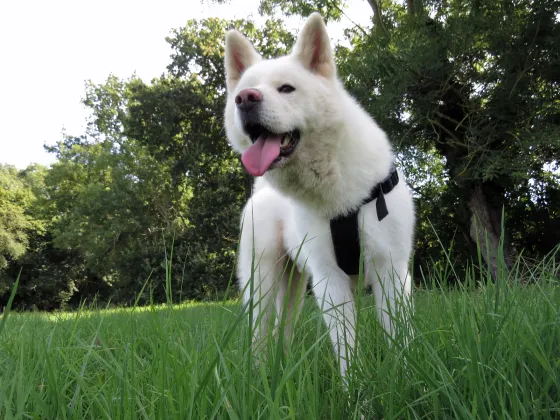 Close by DNAAkita1600 to 1931 · Japan
Closest relatives by shared DNA
- Greater Swiss Mountain Dog57.5 Mb
- Leonberger44.7 Mb
- English Mastiff37.1 Mb
- Bernese Mountain Dog34.7 Mb
- Great Dane19.3 Mb
- Dogue de Bordeaux18.0 Mb
- Cane Corso13.1 Mb
- Rottweiler12.9 Mb
- Newfoundland12.3 Mb
- Bullmastiff10.1 Mb
Source: Parker et al. 2017, shared haplotypes in megabases.
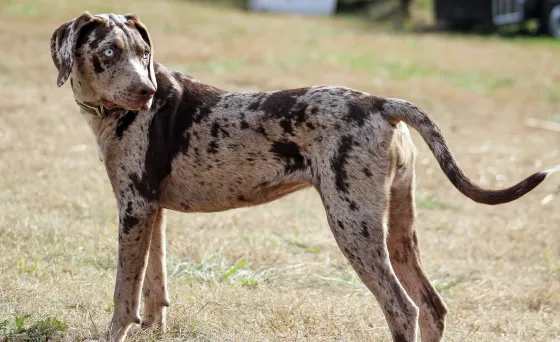 Same eraCatahoula Leopard Dog1700 to 1979 · United States
Place in time
The St. Bernard appears 1650 to 1884 (likely), in the Early Modern Era, when 111 breeds first appeared.
A full article on the St. Bernard is coming. Meanwhile, the Border Collie shows what every breed page will hold: see the Border Collie.