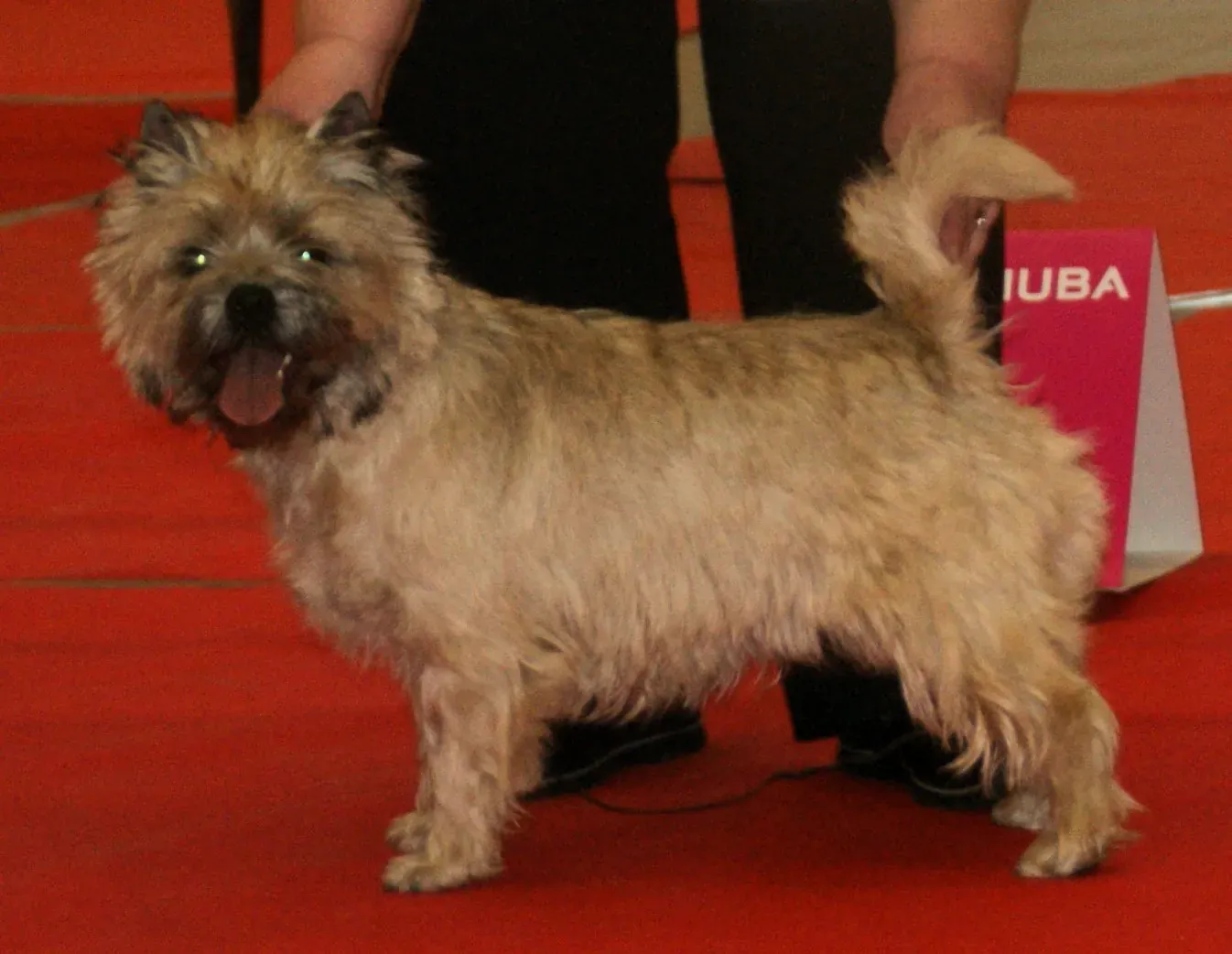
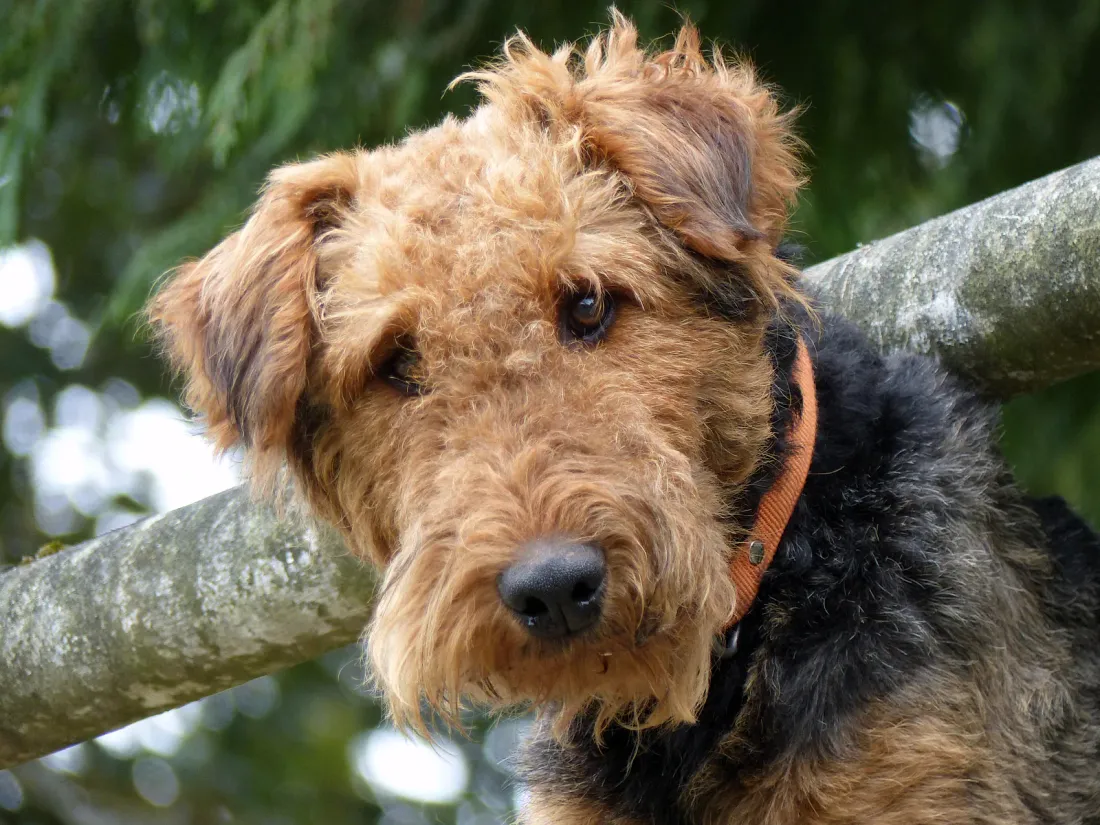
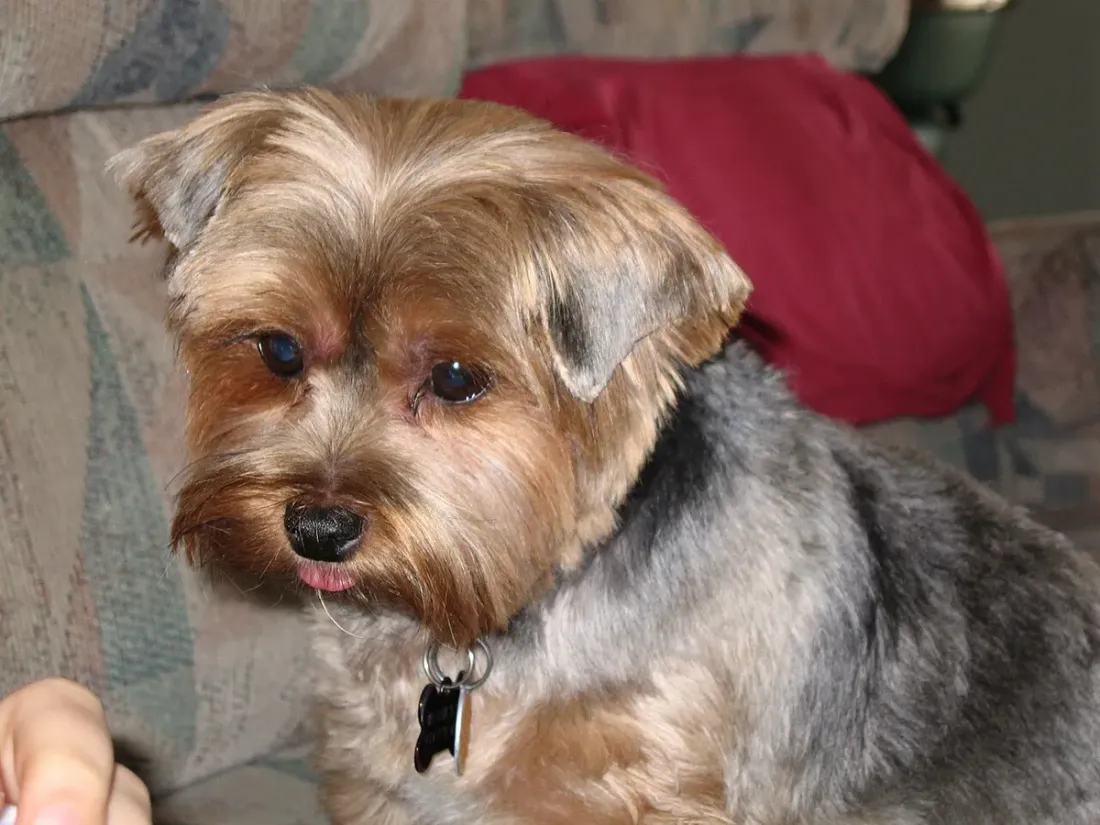
What is a terrier?
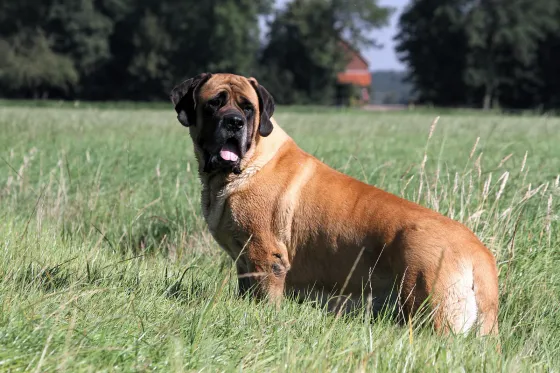 Family storyEuropean MastiffRead the family's story: origins, members, DNA
A terrier is a dog bred to chase small animals such as rats, foxes and badgers, and to follow them underground. The name comes from the Latin word for earth, so a terrier is literally an "earth dog." In this atlas, the Terrier family is a group of 49 breeds that share a common history, most of them from Britain and Ireland, and most of them small, tough and very determined.
The surprise is that the dogs people call terriers do not all belong to this family. Some "terriers" have more DNA in common with mastiffs, and a few dogs without the name, such as the Kromfohrländer, belong here. This page explains why, and walks through who is related to whom.
Quick facts about the Terrier family
 Family storyUK RuralRead the family's story: origins, members, DNA
| Fact | Answer |
|---|---|
| Family type | Genetic (Parker et al. 2017) |
| Parent | European dogs |
| Breeds in this atlas | 49 (43 living, 6 extinct) |
| Breeds with DNA tested in the study | 18, all placed in the Terrier clade with strong support |
| Main homeland | Britain and Ireland (33 of 49) |
| Typical size | Small (40 of 49). Also 4 toy, 4 medium, 1 large |
| Core job | Vermin control, earth work, ratting |
| Shared look | Sturdy, compact body, often a wiry or rough coat |
| Shared temperament | Bold, busy, stubborn, quick to bark and dig |
Family or group: what is the difference?
Family storyEuropean MastiffRead the family's story: origins, members, DNAThis atlas uses two words on purpose. A family (scientists call it a clade) is a set of breeds whose DNA says they share a recent common ancestry. A group is a kennel club category, such as the Terriers group of the American Kennel Club, the Kennel Club in the United Kingdom, or group 3 of the FCI (the international federation of kennel clubs). Clubs sort dogs by the job they were bred for, not by their genes.
Most of the time the two lists agree, but not always. The Bull Terrier is in the Terrier group at all three bodies, yet in our data it belongs to the European Mastiff family, because the breed grew out of bulldog blood. The Yorkshire Terrier sits in the Terrier group of the FCI but in the Toy group of the AKC, while its DNA puts it firmly in the Terrier family. When you see a breed on this site, check which word is used: "family" means DNA and descent, "group" means a club's filing system.
Where do terriers come from?
 Related familyPinscher14 breeds in this family
The Terrier family sits under European dogs in the dog family tree. It is one of 22 families directly under that branch. Its siblings include American Terrier, Pinscher, Schnauzer, European Mastiff, Spaniel, Retriever and Scent Hound.
Parker and colleagues (2017) tested 1,346 dogs from 161 breeds and found 23 supported clades. Terriers formed one of them. Breeds in that clade share long stretches of DNA that they inherited from the same ancestors, in a way they do not share with spaniels or herding dogs.
The breeds in our Terrier family were mostly born in the British Isles: 29 in the United Kingdom and 4 in Ireland. The rest come from Australia (4), Spain (4), Germany (3), and one each from Brazil, Chile, Japan, Russia and the Czech Republic.
Why are they called terriers?
Family storyUK RuralRead the family's story: origins, members, DNA"Terrier" comes into English from Old French, where chien terrier meant "earth dog." That in turn comes from medieval Latin terrarius ("of the earth") and Latin terra ("earth"). In old French the same word also meant the hole or den of a fox or rabbit. So a terrier is the dog that goes to ground, digging after quarry in its burrow.
The word entered English in the late Middle Ages. Dr John Caius, an English physician, wrote about terrier-type dogs that hunt foxes and badgers underground in his 1570 book on British dogs.
What is the history of terriers?
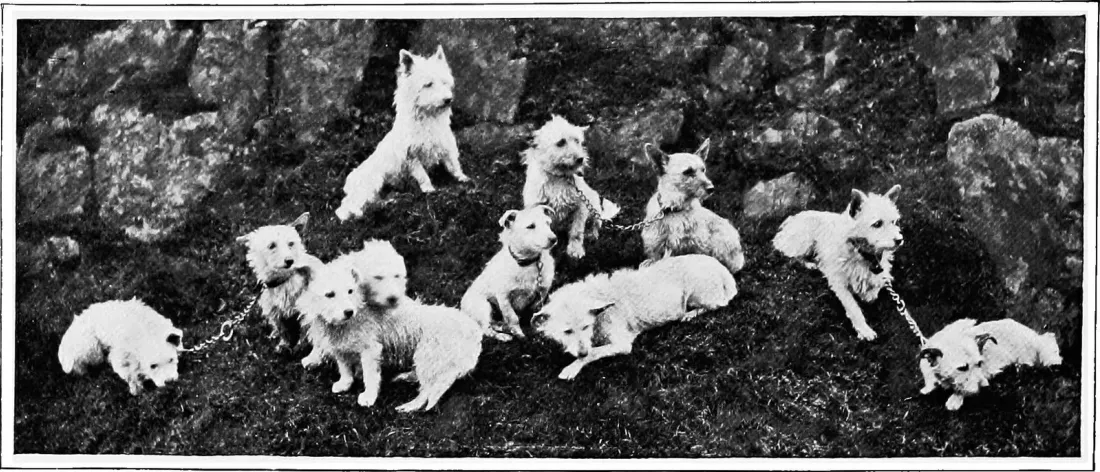
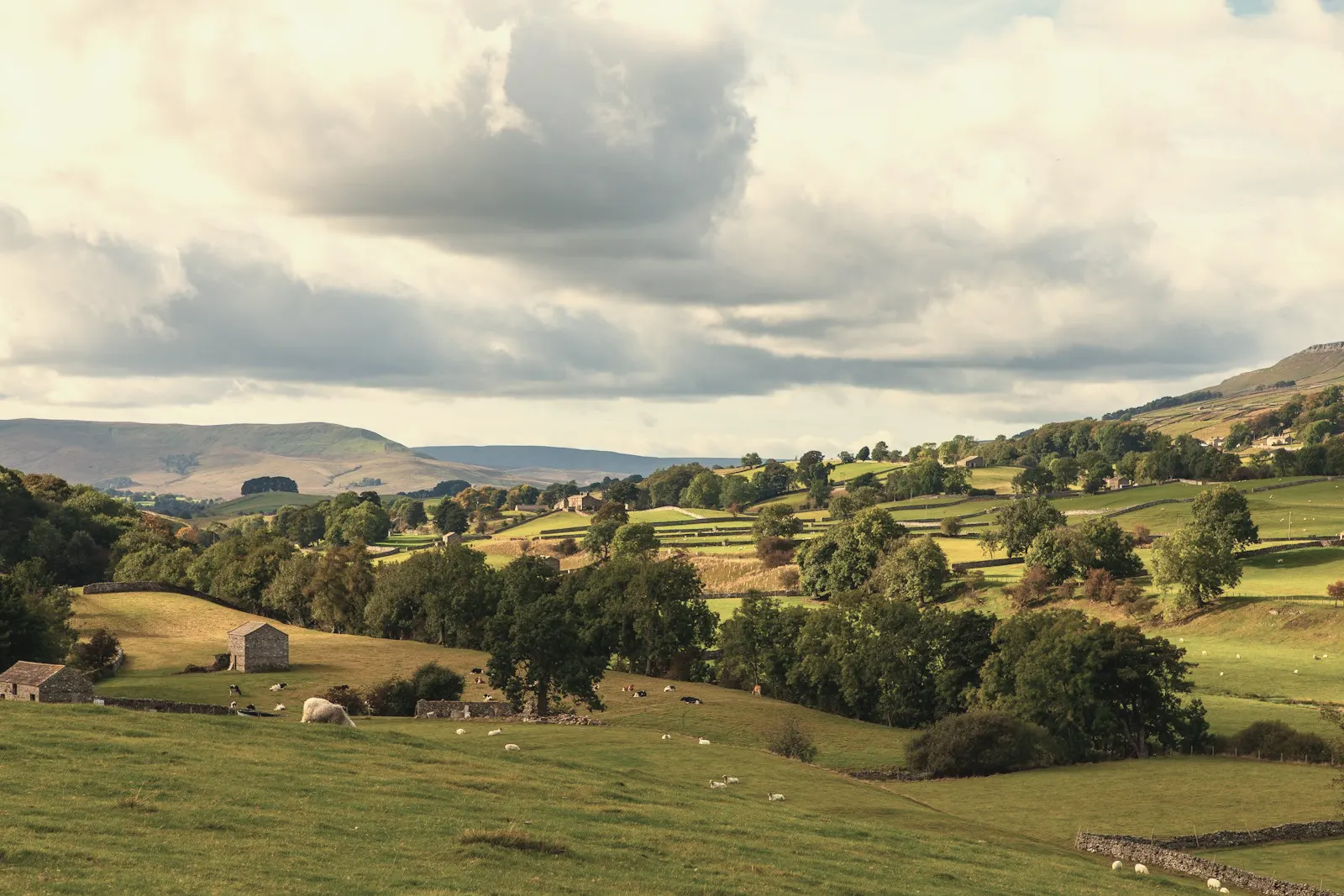
Family storyEuropean MastiffRead the family's story: origins, members, DNANobody can date the first terrier. Farmers in Britain and Ireland needed small, fearless dogs to keep rats, foxes, badgers and otters away from crops and animals, and hunters wanted dogs that could bolt a fox out of its earth. These dogs were judged on work, not on looks, so for centuries "terrier" was a job description and a local type, not a breed. The atlas lists types like the Fell Terrier and the Patterdale Terrier that are still working dogs in northern England.
One extinct type matters a lot to the story: the Black and Tan Terrier, an old rough or smooth working dog of the 1500s to 1800s. Our records link it to the Airedale, Irish, Welsh, Wire Fox and Smooth Fox terriers, and the Lakeland, and, outside this family, the Manchester Terrier and the English Toy Terrier. It looks like the plain rootstock from which many show breeds were later pruned.
The 1800s changed everything. Sir Walter Scott's 1815 novel Guy Mannering featured a farmer named Dandie Dinmont and his pepper-and-mustard terriers, and the Dandie Dinmont Terrier took its name from the book. Dog shows began in England in 1859, and the Kennel Club was founded in 1873 as the first national kennel club. Terrier types that varied from farm to farm were sorted into named breeds with written standards. Fox terriers became fashionable with the hunting set, and the Airedale Terrier was built in Yorkshire in the mid 1800s as a larger all-round waterside dog.
Rev. John "Jack" Russell, a hunting parson born in 1795, bought a small white and tan terrier female named Trump in 1819 while at university, and founded a line of working fox dogs from her. Their descendants are the Jack Russell Terrier and the Parson Russell Terrier.
There was a darker sport, too. Rat pits and dog fights in the early 1800s produced the extinct Bull and Terrier, a cross of bulldog and terrier. It now sits with its descendants, the bull breeds that the DNA study places in the European Mastiff family, not the Terrier family.
Terriers then travelled. British settlers carried them to Australia, where the Australian Terrier, Australian Silky Terrier and Tenterfield Terrier were developed. In Spain, local rat-catching dogs gave the Andalusian and Valencian terriers, and in Germany the Jagdterrier was built in the 1920s as a fearless hunting dog.
Who are the members of the Terrier family?
Family storyUK RuralRead the family's story: origins, members, DNAHere are all 49 breeds and types in our data. The 18 breeds with DNA tested in the study come first. The other 31 are placed by history and are hidden until you choose to show all 49. "Appeared" is the period in which the breed or type is first documented, based on our records, and some dates are rough.
| Breed | Country | Status | Size | Appeared | DNA-tested |
|---|---|---|---|---|---|
| Cairn Terrier | United Kingdom | Living | Small | 1500 to 1910 | Yes (Parker 2017) |
| Glen of Imaal Terrier | Ireland | Living | Small | 1600 to 1934 | Yes (Parker 2017) |
| Border Terrier | United Kingdom | Living | Small | 1700 to 1920 | Yes (Parker 2017) |
| Irish Terrier | Ireland | Living | Medium | 1700 to 1879 | Yes (Parker 2017) |
| Scottish Terrier | United Kingdom | Living | Small | 1700 to 1882 | Yes (Parker 2017) |
| Soft-coated Wheaten Terrier | Ireland | Living | Medium | 1700 to 1937 | Yes (Parker 2017) |
| Bedlington Terrier | United Kingdom | Living | Small | 1780 to 1877 | Yes (Parker 2017) |
| Kerry Blue Terrier | Ireland | Living | Medium | 1800 to 1922 | Yes (Parker 2017) |
| West Highland White Terrier | United Kingdom | Living | Small | 1800 to 1904 | Yes (Parker 2017) |
| Wire Fox Terrier | United Kingdom | Living | Small | 1800 to 1876 | Yes (Parker 2017) |
| Jack Russell Terrier | United Kingdom | Living | Small | 1819 to 1976 | Yes (Parker 2017) |
| Parson Russell Terrier | United Kingdom | Living | Small | 1819 to 1990 | Yes (Parker 2017) |
| Australian Terrier | Australia | Living | Small | 1820 to 1868 | Yes (Parker 2017) |
| Airedale Terrier | United Kingdom | Living | Large | 1850 to 1880 | Yes (Parker 2017) |
| Yorkshire Terrier | United Kingdom | Living | Toy | 1850 to 1874 | Yes (Parker 2017) |
| Norfolk Terrier | United Kingdom | Living | Small | 1880 to 1964 | Yes (Parker 2017) |
| Norwich Terrier | United Kingdom | Living | Small | 1880 to 1932 | Yes (Parker 2017) |
| Australian Silky Terrier | Australia | Living | Toy | 1890 to 1959 | Yes (Parker 2017) |
| Black and Tan Terrier | United Kingdom | Extinct | Small | 1500 to 1800 | By history |
| Turnspit | United Kingdom | Extinct | Small | 1500 to 1576 | By history |
| Skye Terrier | United Kingdom | Living | Small | 1600 to 1874 | By history |
| Villanuco de Las Encartaciones | Spain | Living | Small | 1600 to 2000 | By history |
| Andalusian Terrier | Spain | Living | Small | 1700 to 1990 | By history |
| Dandie Dinmont Terrier | United Kingdom | Living | Small | 1700 to 1875 | By history |
| Fell Terrier | United Kingdom | Living | Small | 1700 to 1900 | By history |
| Japanese Terrier | Japan | Living | Small | 1700 to 1932 | By history |
| Northumberland Pit Terrier | United Kingdom | Extinct | Small | 1700 to 1900 | By history |
| Patterdale Terrier | United Kingdom | Living | Small | 1700 to 1950 | By history |
| Welsh Terrier | United Kingdom | Living | Small | 1700 to 1885 | By history |
| Blue Paul Terrier | United Kingdom | Extinct | Medium | 1750 to 1850 | By history |
| Smooth Fox Terrier | United Kingdom | Living | Small | 1750 to 1876 | By history |
| English White Terrier | United Kingdom | Extinct | Small | 1780 to 1862 | By history |
| Brazilian Terrier | Brazil | Living | Small | 1800 to 1973 | By history |
| Ca Rater Mallorquí | Spain | Living | Small | 1800 to 2004 | By history |
| Lakeland Terrier | United Kingdom | Living | Small | 1800 to 1921 | By history |
| Valencian Terrier | Spain | Living | Small | 1800 to 2004 | By history |
| Paisley Terrier | United Kingdom | Extinct | Small | 1850 to 1880 | By history |
| Sealyham Terrier | United Kingdom | Living | Small | 1850 to 1911 | By history |
| Chilean Terrier | Chile | Living | Small | 1870 to 1990 | By history |
| Tenterfield Terrier | Australia | Living | Small | 1880 to 1993 | By history |
| Miniature Fox Terrier | Australia | Living | Small | 1900 to 1990 | By history |
| Jagdterrier | Germany | Living | Small | 1920 to 1926 | By history |
| Russian Toy | Russia | Living | Toy | 1920 to 1951 | By history |
| Sporting Lucas Terrier | United Kingdom | Living | Small | 1940 to 1985 | By history |
| Kromfohrländer | Germany | Living | Small | 1945 to 1955 | By history |
| Lucas Terrier | United Kingdom | Living | Small | 1945 to 1960 | By history |
| Cesky Terrier | Czech Republic | Living | Small | 1949 to 1963 | By history |
| Plummer Terrier | United Kingdom | Living | Small | 1960 to 1980 | By history |
| Biewer Terrier | Germany | Living | Toy | 1984 to 2021 | By history |
Several of these are not recognised by any big kennel club. They are working types or regional breeds, such as the Fell, Patterdale, Plummer and Lucas terriers.
Who descends from whom, and which ties are strongest?
Family storyEuropean MastiffRead the family's story: origins, members, DNATwo kinds of evidence are used here. One is written history: what breeders say they crossed. The other is DNA: how many (Mb, millions of DNA letters) two breeds share in matching stretches. A larger number means a closer shared ancestry, though it can also reflect a recent split or shared crossing.
The strongest ties among Terrier breeds, from the Parker study as recorded in our data, with our notes on each:
| Pair | Shared DNA (Mb) | What it tells us |
|---|---|---|
| Norfolk and Norwich | 211.8 | Once one breed, split by ear type |
| Cairn and West Highland White | 156.7 | Our records trace the Westie to Cairn and Scottish crosses |
| Scottish and West Highland White | 134.6 | Both are Scottish working terriers |
| Irish and Soft-coated Wheaten | 98.7 | Both Irish farm terriers |
| Cairn and Scottish | 87.0 | Scottish rough terriers |
| Jack Russell and Wire Fox | 84.5 | Fox-working white terriers |
| Parson Russell and Wire Fox | 74.3 | Same as above |
| Australian and Australian Silky | 67.6 | The Silky was bred from the Australian |
| Australian Silky and Yorkshire | 62.4 | The Silky has Yorkshire in it |
| Kerry Blue and Soft-coated Wheaten | 58.0 | Irish neighbours |
The Norfolk and Norwich result is the clearest. The Norfolk Terrier and Norwich Terrier were treated as one breed until the Kennel Club separated them in 1964. Both have much the same background, but Norwich dogs have upright ears and Norfolk dogs have folded ears.
Three clusters stand out. One is the Scottish cluster: Cairn, Scottish and West Highland White, plus Norwich. One is the Irish cluster: Irish, Soft-coated Wheaten, Kerry Blue and Glen of Imaal. One is the fox and Jack Russell cluster: Wire Fox, Jack Russell, Parson Russell and Border, with Bedlington close to the Border.
In the written record, the Yorkshire Terrier comes from the extinct Paisley Terrier with Black and Tan Terrier blood, and the Australian Silky is a Yorkshire and Australian Terrier cross. The Cesky Terrier was bred in Czechoslovakia in 1949 from a Scottish and a Sealyham, and the Kromfohrländer came from a Wire Fox crossed with a French griffon.

What do terriers have in common?
Family storyUK RuralRead the family's story: origins, members, DNABuild. Most are small, with a strong chest for their size and short, sturdy legs, or a leaner, longer leg in the fox types. The dog had to fit down a hole and still be strong enough to face a badger. The Airedale (large) and the Irish Terrier (medium) are the big exceptions in size.
Coat. Many wear a hard, wiry outer coat over a soft undercoat. Scientists found a gene variant called RSPO2 behind the "furnishings" (beard and eyebrows) in wire-coated dogs (Cadieu et al. 2009). A hard coat likely helps against thorns and bites. Many need hand-stripping or trimming, and the Soft-coated Wheaten is the soft exception.
Hunting style. Unlike hounds, which follow a scent for kilometres, or pointers, which freeze, terriers go in close. They dig, shake and kill. A good working terrier is deliberate and fast and does not give up easily.
Temperament. Terriers are confident, curious and independent. Expect barking, digging, chasing small pets, and a lot of will. They tend to be good with their own family and may be sharp with other dogs. This is a general tendency, not a promise, and each dog differs.
What health issues are linked to terriers?
Family storyEuropean MastiffRead the family's story: origins, members, DNAHealth depends on the breed, not on the family, so only a few well-documented examples are given here.
- Copper toxicosis in Bedlington Terriers. The dogs can store too much copper in the liver. A change in the gene COMMD1 was identified as the cause (van De Sluis et al. 2002; Forman et al. 2005), and a DNA test now exists, which lets breeders avoid risky matings.
- Bladder cancer in Scottish Terriers. Scotties get a type of bladder cancer, transitional cell carcinoma, far more often than most breeds. A Purdue University team (Glickman et al. 2004) found that exposure to lawn herbicides raised the risk further in this breed.
Ask a vet or the breed club about the specific breed's known conditions before choosing a puppy.
Which Terrier breeds are extinct?
Family storyUK RuralRead the family's story: origins, members, DNASix of the 49 are extinct in our records.
- Black and Tan Terrier: the rootstock described above.
- English White Terrier: a white terrier of about 1780 to 1862, crossed with Italian Greyhounds, and named in the records as an ancestor of the Jack Russell.
- Paisley Terrier: a Skye Terrier variety of the 1850s to 1880s and a parent of the Yorkshire.
- Blue Paul Terrier: a low-confidence record in our data, dated about 1750 to 1850.
- Northumberland Pit Terrier: a northern working dog behind the Patterdale.
- Turnspit: a long-bodied kitchen dog that ran in a wheel to turn meat over a fire. It was recorded by 1576. It was not an earth dog, and is listed here by our records, not by DNA.

Are there surprises in the Terrier family?
 See alsoRat Terrier1890 to 1999 · United States
- Bull Terriers are not here. In the Parker study the Bull Terrier, Staffordshire Bull Terrier and American Staffordshire Terrier group with the European Mastiff clade, and so does the Boston Terrier. They carry mostly bulldog ancestry, with terrier blood added. Their untested kin, the American Pit Bull Terrier, the extinct Bull and Terrier and the Gull Terrier, sit in that family too.
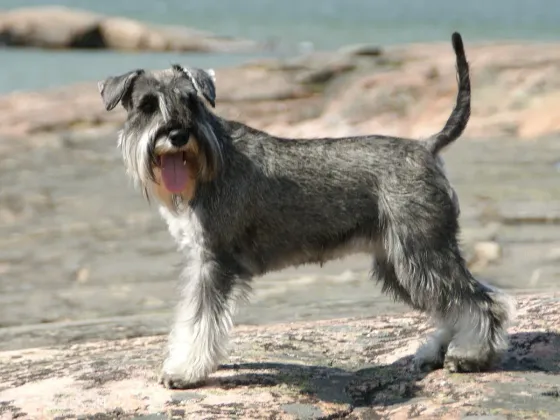
- The Miniature Schnauzer is in the AKC Terrier group but is a Schnauzer by DNA. See Schnauzer.
- The Black Russian Terrier is not a terrier. It was built in the Soviet Union in the 1900s using Airedale blood plus other breeds. DNA puts it in the Drover family, not Terrier.
- Toy Manchester Terrier is a Pinscher by DNA. See Pinscher. The related Manchester Terrier and English Toy Terrier have no DNA result, so they follow it into the Pinscher family.
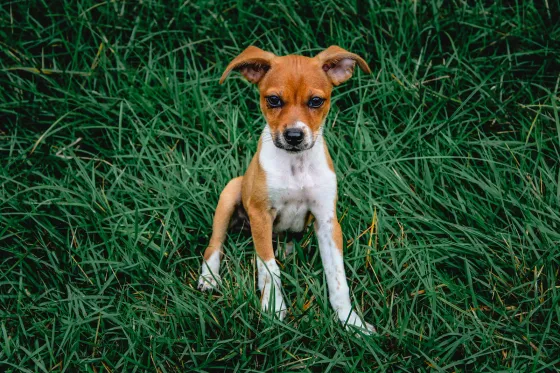
- The Rat Terrier, Toy Fox Terrier, American Hairless Terrier and Teddy Roosevelt Terrier are American Terrier. See American Terrier.
- The Tibetan Terrier is not a terrier at all. It is a mountain companion dog of Tibet, in the Asian Toy family.
What does research say about terriers?
Family storyEuropean MastiffRead the family's story: origins, members, DNAThe key paper is Parker et al., "Genomic analyses reveal the influence of geographic origin, migration, and hybridization on modern dog breed development," Cell Reports, 2017. It built a family tree of 161 breeds from 1,346 dogs. Terriers came out as one clade, though only 18 of our 49 breeds were in the study (the others are not tested there). For the rest, we use written history and breed records. These family assignments are best estimates, which could shift when more breeds are sequenced.
Cadieu et al. (2009) in Science showed that just three genes explain a great deal of coat variation among dog breeds, including the wiry, furnished coat of many terriers.
Which terrier suits which owner?
Family storyUK RuralRead the family's story: origins, members, DNAThis is a guide to temperament, not a promise for any single dog.
- Apartment or city life. Smaller, quieter types such as the Cairn, Norfolk or Australian Silky fit better. All still need daily walks and mental work.
- Active families and runners. The Border Terrier is a sturdy, friendly all-rounder. The Wheaten and Irish Terrier are lively and bigger.
- First-time owners. A calmer, medium type such as the West Highland White or Border is usually easier than a working Jack Russell or Patterdale, which need a job.
- Dog-sport owners. The Airedale, Jack Russell, Parson Russell and Wire Fox love training and agility.
- Allergy-minded owners. Wire and low-shedding coats, such as the Kerry Blue, shed less, but no dog is allergen-free.
Whatever you pick, expect digging and barking, and keep the garden fence deep and tall.
Fun facts about terriers
Family storyEuropean MastiffRead the family's story: origins, members, DNA- The word "terrier" means "earth dog," so the Terrier family is the "earth dog" family.
- The Dandie Dinmont is a breed named after a fictional character.
- The Norfolk and Norwich terriers were one breed until 1964.
- Jack Russell's first terrier, Trump, was bought from a milkman in 1819.
- The Airedale is nicknamed "King of Terriers," and it is the largest in the family.
- The Cesky Terrier is a post-war breed from Czechoslovakia, crossed from two Scottish-type terriers.
Related families
 Related familyDrover4 breeds in this family
- American Terrier: Rat Terrier, Toy Fox Terrier, American Hairless Terrier, Teddy Roosevelt Terrier.
- European Mastiff: bull breeds that carry the "terrier" name, including the Bull Terrier and the American Pit Bull Terrier.
- Schnauzer: wire-coated German ratters, and the Miniature Schnauzer.
- Pinscher: German ratting dogs, the Toy Manchester Terrier and the Manchester Terrier.
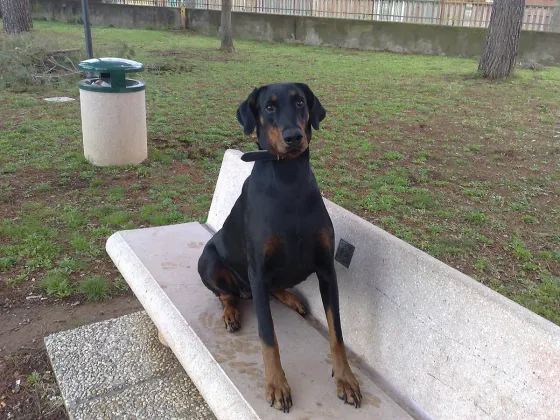
- Drover: home of the Black Russian Terrier.
Frequently asked questions
What are the main types of terriers?
By size and region, small Scottish types (Cairn, Scottish, Westie), Irish types (Irish, Wheaten, Kerry Blue, Glen of Imaal), fox and working types (Wire Fox, Jack Russell, Border, Patterdale), a few bigger dogs (Airedale), and toy dogs (Yorkshire, Silky).
Is the Yorkshire Terrier a real terrier?
Yes. It was bred in Yorkshire in the mid 1800s and its DNA is in the Terrier family. Only its size moves it into the Toy group at the AKC.
Are pit bulls and Staffordshire terriers in the Terrier family?
In our data, the American Staffordshire Terrier and Staffordshire Bull Terrier are in the European Mastiff family. The American Pit Bull Terrier has not been DNA tested in this study, but it comes from the Bull and Terrier cross, so it sits with them in the European Mastiff family.
Are terriers good family dogs?
Many are, if the family is active and the dog is trained. Small children and small pets need supervision, since terriers are quick and have a strong prey drive.
Why do terriers dig?
They were bred to dig after burrowing animals. Give them a sandpit or a digging area.
How long do terriers live?
It depends on the breed. In our data the Jack Russell is listed at 13 to 16 years and the Fell Terrier at 10 to 13 years.
Read next
Sources (10)
- Parker, H. G., et al. (2017). Genomic analyses reveal the influence of geographic origin, migration, and hybridization on modern dog breed development. Cell Reports, 19(4), 697 to 708.
- Cadieu, E., et al. (2009). Coat variation in the domestic dog is governed by variants in three genes. Science, 326, 150 to 153.
- Van De Sluis, B., et al. (2002). Identification of a new copper metabolism gene by positional cloning in a purebred dog population. Human Molecular Genetics, 11, 165 to 173.
- Glickman, L. T., et al. (2004). Herbicide exposure and the risk of transitional cell carcinoma of the urinary bladder in Scottish Terriers. Journal of the American Veterinary Medical Association, 224, 1290 to 1297.
- Forman, O. P., et al. (2005). Characterization of the COMMD1 (MURR1) mutation causing copper toxicosis in Bedlington Terriers. Animal Genetics.
- Caius, J. (1570). De Canibus Britannicis (Of Englishe Dogges).
- Scott, W. (1815). Guy Mannering.
- The Kennel Club (UK). History of The Kennel Club, founded 1873.
- Oxford Learner's Dictionaries and Online Etymology Dictionary, entry "terrier."
- Breed records in the atlas knowledge base (Dogs Atlas, internal data).